
The Same Tuscan House in Four Seasons
6 oktobre 2026
A Tuscan house does not have one ideal season. The rooms that matter in January may be almost abandoned in July, while a terrace that carries entire summer days can fall silent once autumn rain returns. To understand the house properly, it helps to watch where life moves as the year changes.
The House Does Not Stay the Same
Photographs have taught us to recognise the Tuscan house quickly.
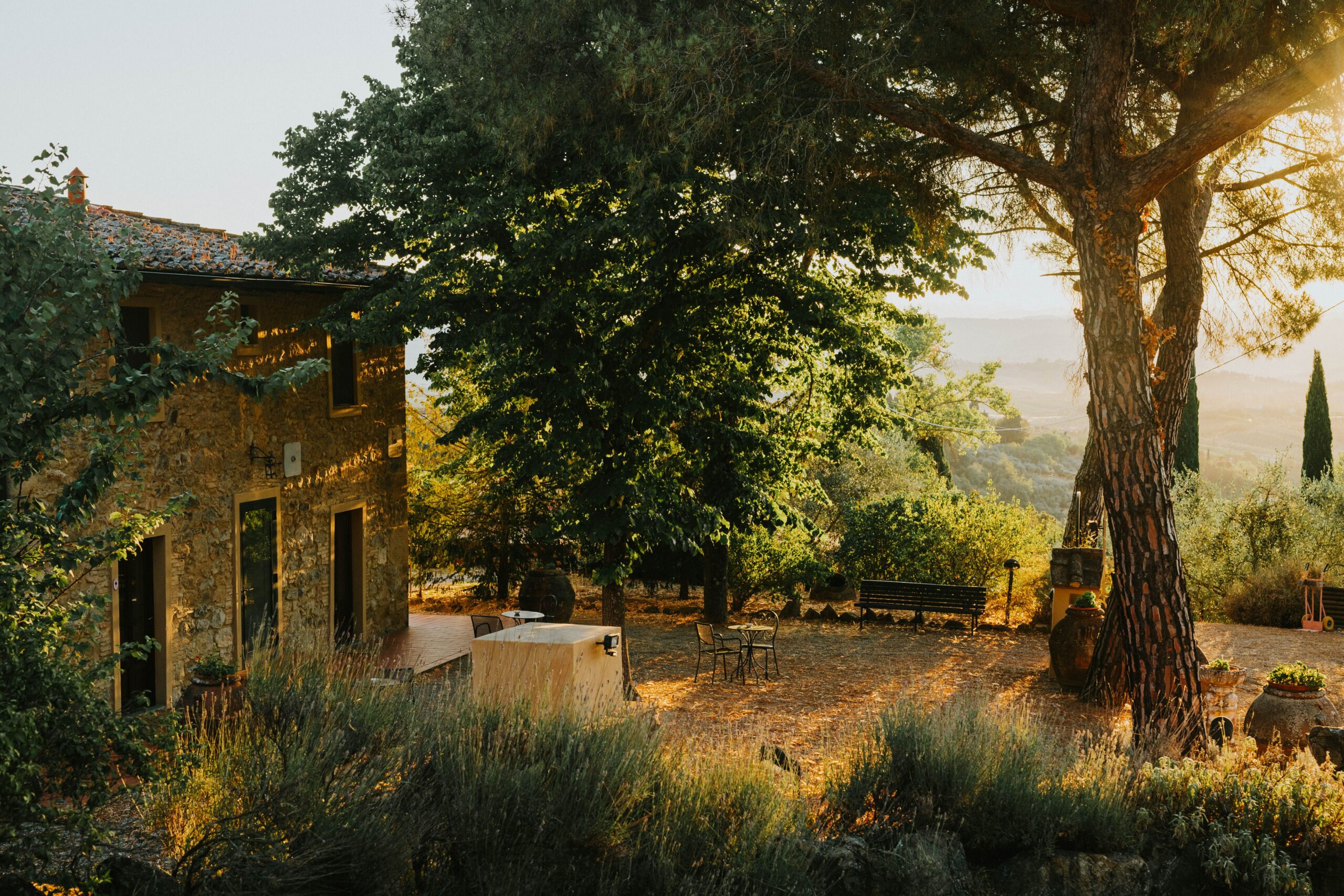
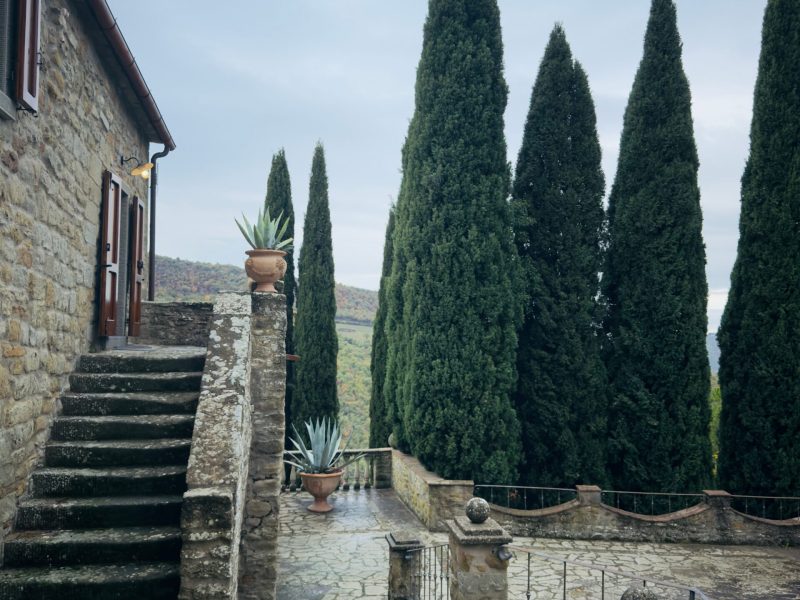
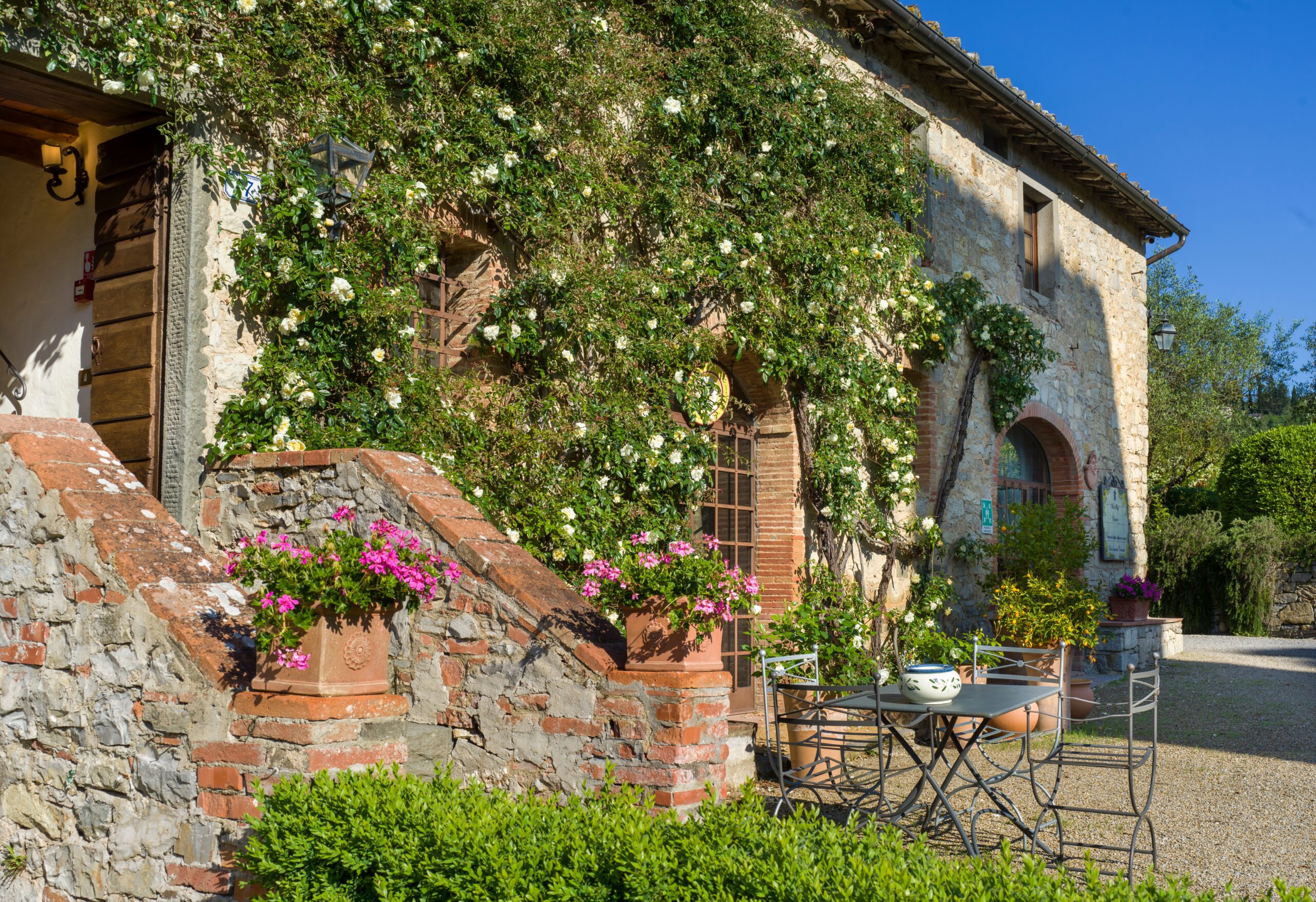
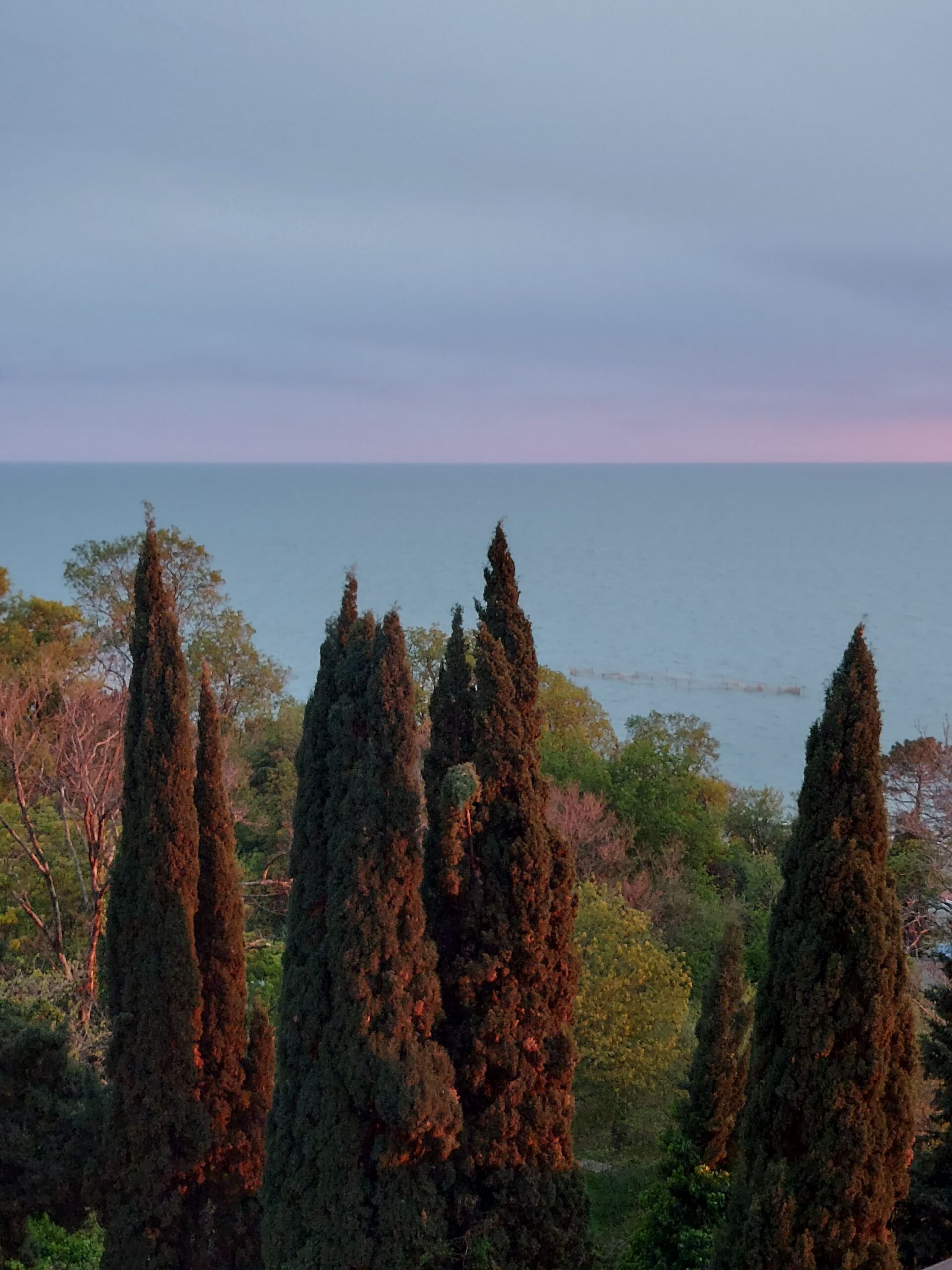
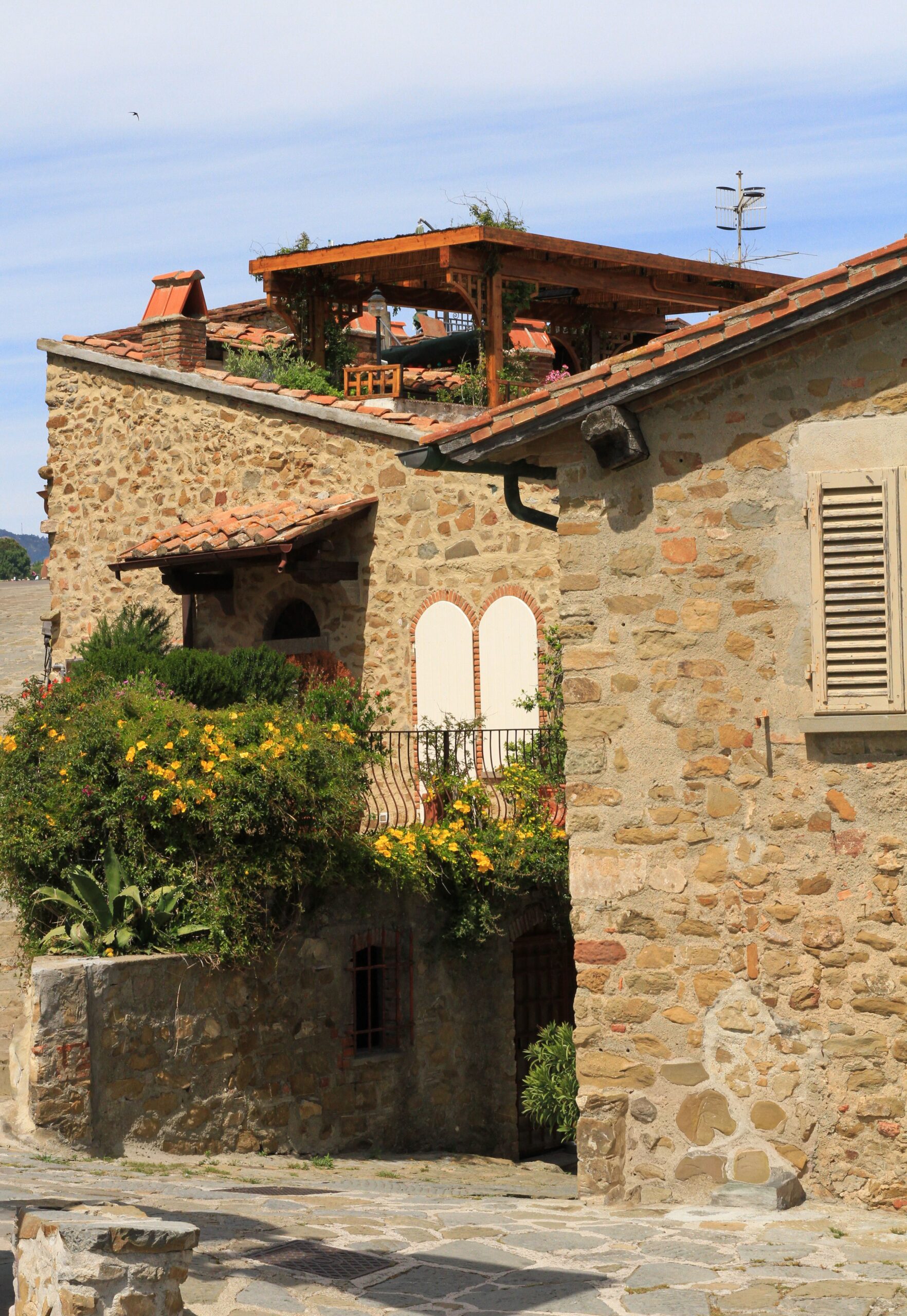
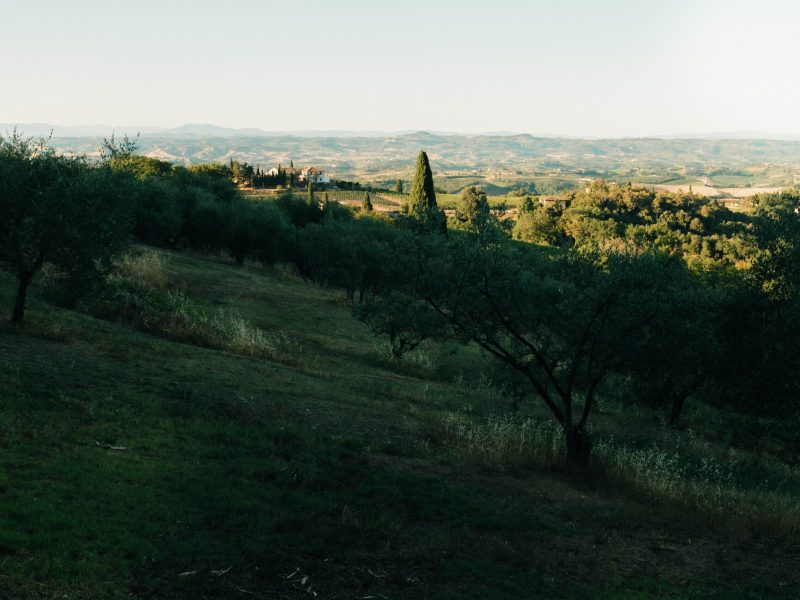
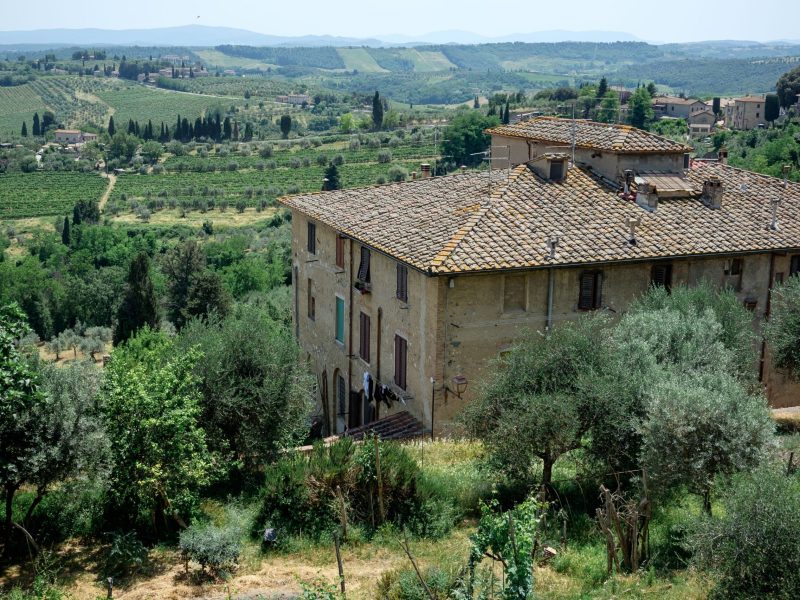
Stone or pale render. Terracotta roof tiles. Shutters against the façade. A table outside, preferably beneath a pergola. Cypress trees somewhere in the middle distance and, if the composition allows it, an olive grove falling away below.
The image is so familiar that it can make the architecture appear static, as though the house has one perfect arrangement and merely waits for the weather to become suitable for photographing it.
Living in such a house is different.
January reorganises it. So does May. July may make an upstairs bedroom unpleasant at the wrong hour while turning a shaded loggia into the most valuable room in the building. October brings people back towards the kitchen, not because a magazine has decided that kitchens are cosy in autumn but because the temperature, daylight and food arriving from the surrounding land change the way the house is used.
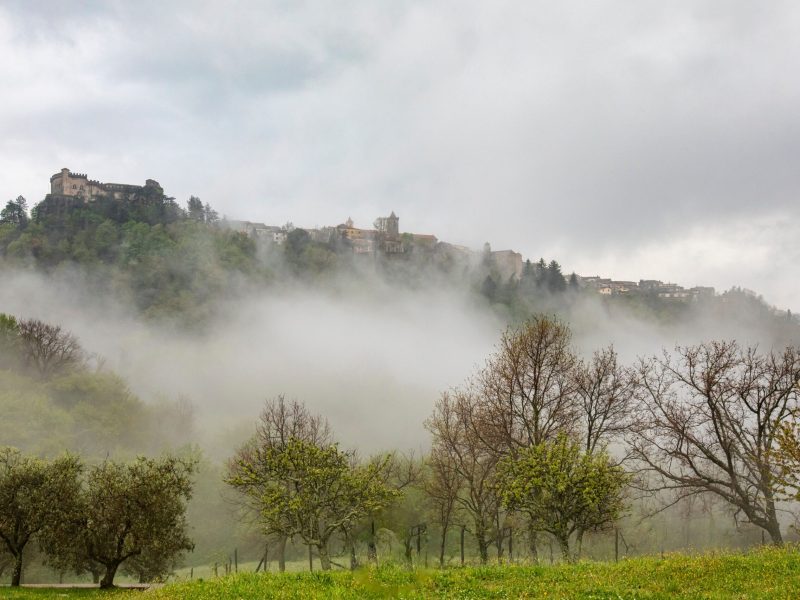
Even within Tuscany, those changes are not uniform. Altitude, exposure and distance from the coast matter. Around Siena, LaMMA’s climate records for 1991–2020 show an inland climate capable of both winter frost and intense summer heat, with autumn receiving considerably more rainfall than summer.
That variation is part of what makes an old rural house interesting.
Its architecture is not just a response to place.
It is a response to time in that place.
Winter Pulls Life Towards the Kitchen
The romantic image of a Tuscan farmhouse tends to put the landscape first.
Winter reverses the hierarchy.
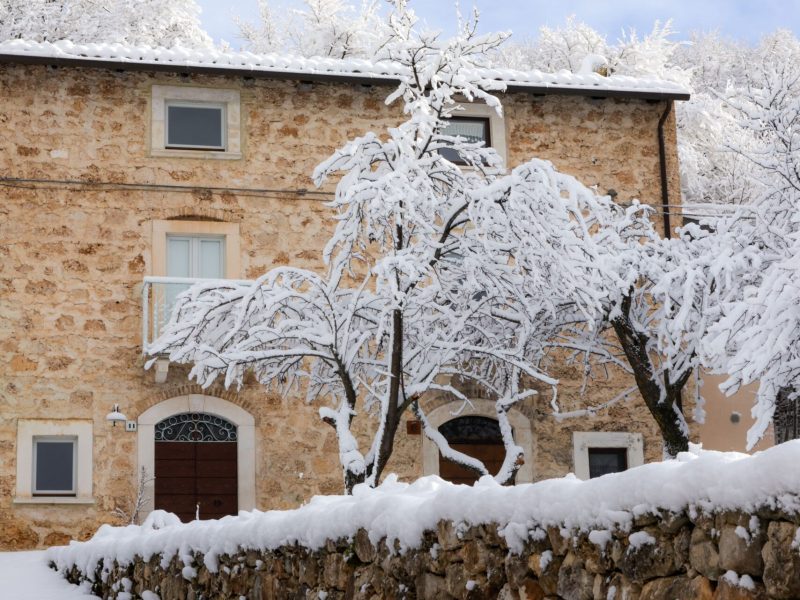
The view is still there, but the centre of gravity moves inside. Doors remain closed longer. Corridors feel less important. Bedrooms become places to sleep rather than linger, particularly in houses whose generous stone walls and high ceilings were never designed around modern expectations of constant indoor warmth.
Historically, the kitchen often carried far more of the household’s life than we now expect from the room. A regional history of the Tuscan casa colonica describes one rural household where the kitchen was the most heavily used room in the house, with benches positioned beside the fireplace so the family could sit close to the warmth while the upstairs bedrooms remained extremely cold in winter.
This does not mean a restored Tuscan house should recreate rural hardship in the name of authenticity. Good heating is one of civilisation’s better inventions.
But the old pattern explains something useful. Rooms have always had a seasonal hierarchy.
In winter, a house benefits from a strong centre: somewhere warm enough that breakfast stretches into the morning, somewhere to read, cook and talk without feeling the need to occupy every square metre simply because it exists.
Large houses are often sold by the number of rooms they contain.
January asks a better question: which room does everyone actually want to be in?
Low Sun Finds a Different House
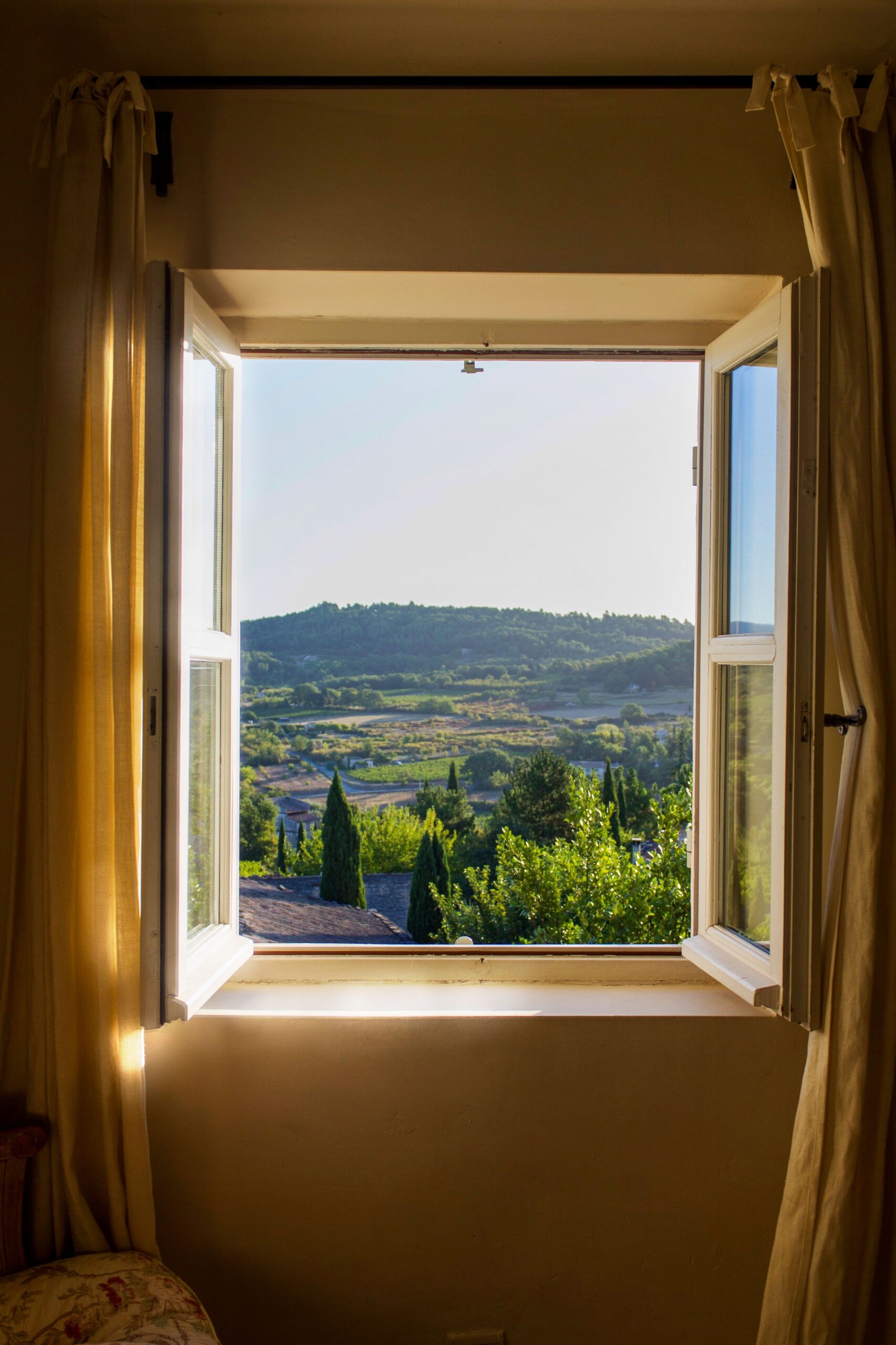
The sun travels lower. It enters beneath roof overhangs and reaches further into rooms that spend high summer protected from direct glare. A window that requires management in July may become the most desirable place in the house in January.
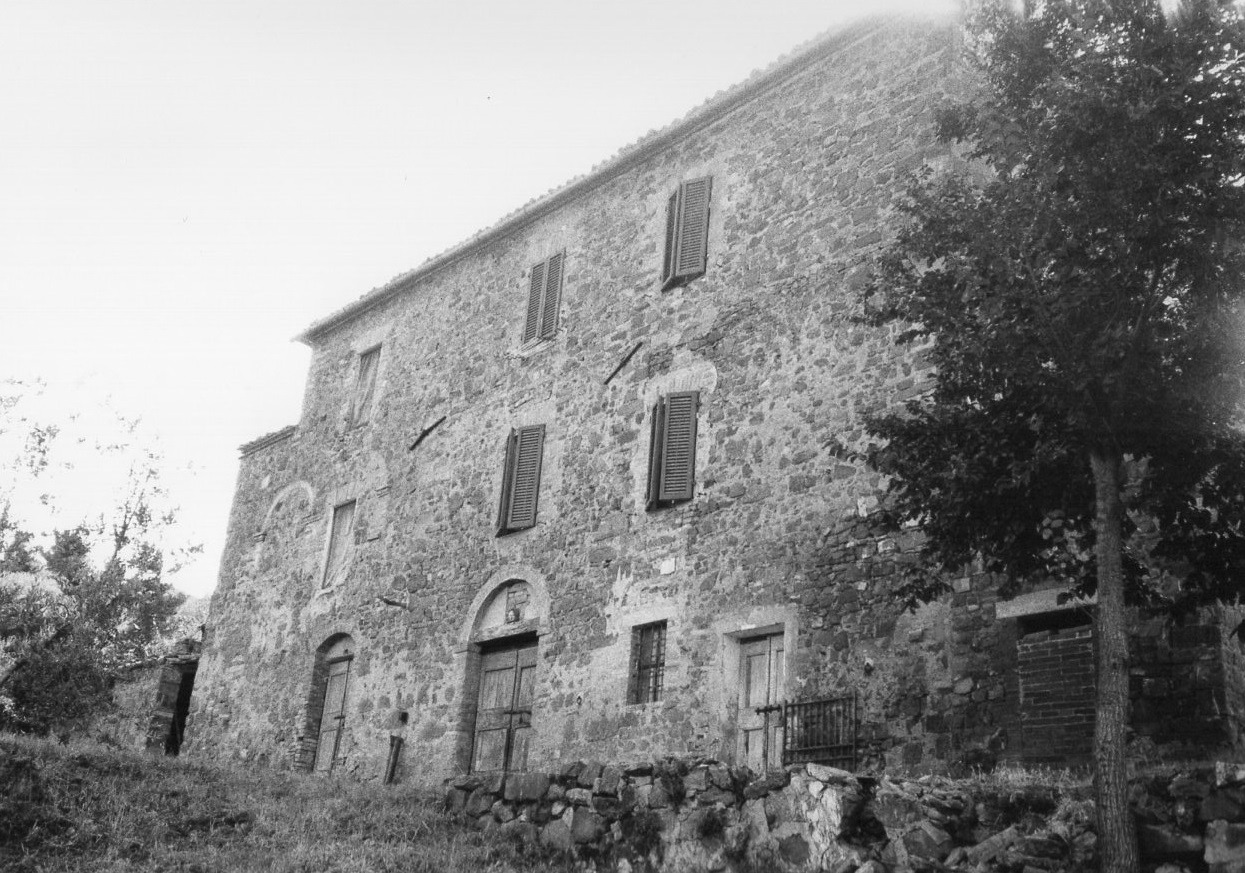
Orientation was hardly accidental in traditional rural building. One Tuscan account of the traditional casa colonica describes farmhouses whose main façades were deliberately oriented south and whose aia — the open working yard — functioned as an essential extension of the building rather than as a decorative forecourt.
The lesson is less about copying a particular historical plan than about recognising how closely house and sun were once read together.
We tend to judge interiors as compositions: sofa here, painting there, table centred under a pendant. Seasonal light is less obedient. It changes the composition without moving any furniture.
A window seat overlooked in June can become the obvious place to read in February. A dining room that feels unnecessarily formal in summer may become inviting when darkness arrives before dinner. The wall whose colour seemed muted under bright summer light suddenly holds warmth.
The same room has not been redecorated.
The year has redecorated it.
“A beautiful house needs a credible rainy day.“
Shutters Have a Job to Do
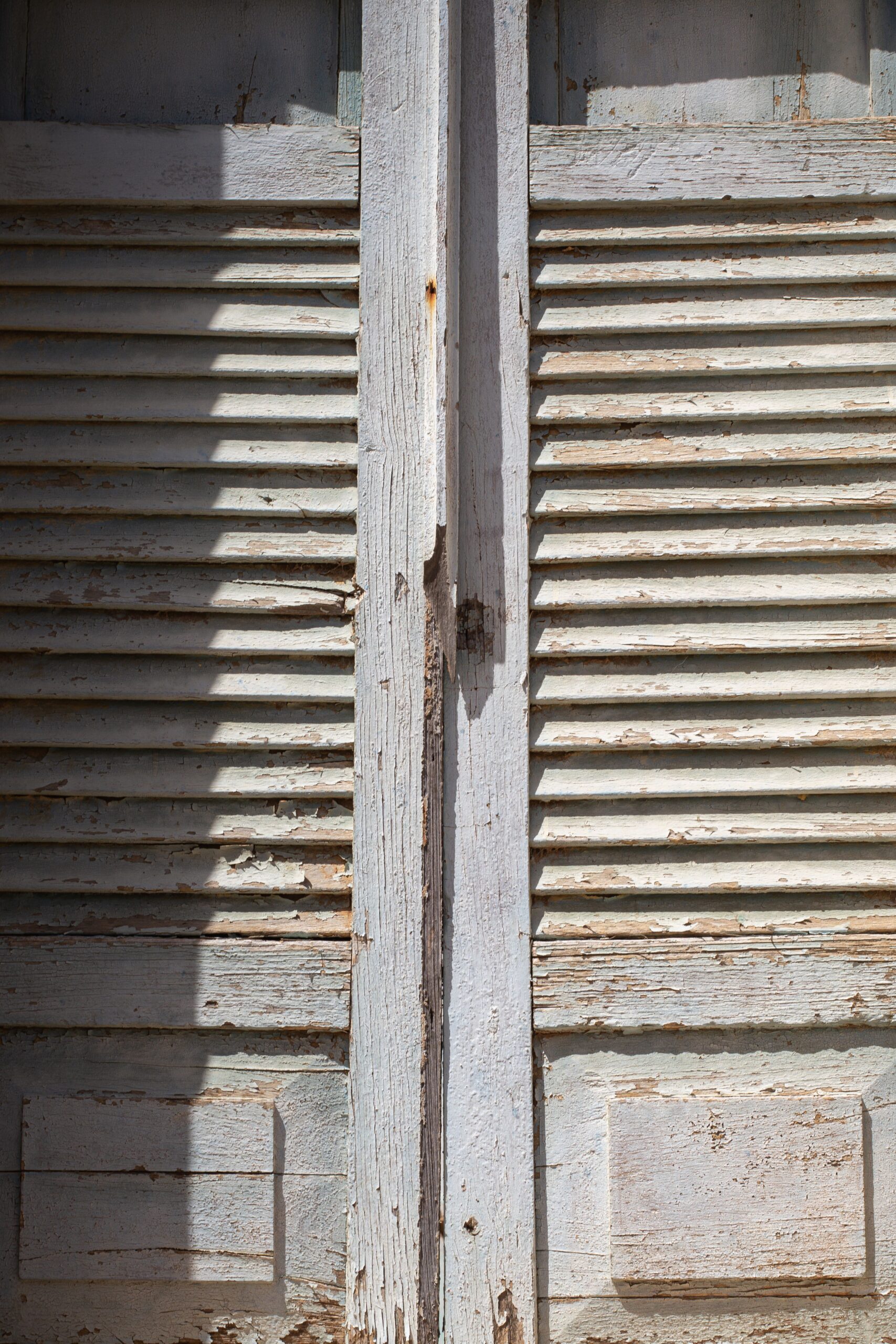
Few architectural elements have been romanticised quite as thoroughly as the Tuscan shutter.
They photograph beautifully, particularly when the paint has faded just enough to imply age without suggesting the owner should probably call someone.
But shutters are working parts of the building.
In high summer, controlling sunlight before it enters the glass can make a meaningful difference to indoor heat. The daily ritual changes accordingly: open early, close or partially close where the sun becomes aggressive, reopen when the façade falls back into shade.
This gives the exterior of the house its changing expression. A row of shutters fully open in April may be almost closed at two in the afternoon in July. Rooms do not need to be plunged into theatrical darkness; slats can temper direct light while allowing some ventilation and visibility.
What looks from outside like a characteristic regional detail is therefore part of the environmental management of the house.
That distinction matters when old houses are renovated.
It is easy to preserve the appearance of a shutter while making it irrelevant — installing it as an aesthetic quotation while relying entirely on mechanical cooling behind the façade. Sometimes modern comfort requires exactly that combination, particularly as Mediterranean summers become hotter. But there is value in understanding what the original element was trying to accomplish before reducing it to style.
A house feels more intelligent when its architecture is allowed to keep working.
Spring Begins at the Threshold
There is a point in spring when the house gains square metres without anybody building an extension.
A door stays open.
Then another.
Coffee moves outside because the morning is warm enough. Lunch follows a few weeks later. The terrace furniture stops being stored equipment and resumes being furniture. Pots begin filling out, herbs return, and the distance between kitchen and garden becomes one of the most travelled routes in the house.
This threshold period is one of the pleasures of a rural Mediterranean climate because inside and outside do not exchange places overnight.
They negotiate.
A sunny wall may make breakfast outside possible long before evening becomes comfortable. One side of the house can be almost summery while another remains damp and cool. Rain returns quickly enough to remind everyone that the terrace is not yet fully in charge.
The older Tuscan farmhouse already understood outside space as useful space. Historically, the aia was where grain and legumes could be processed, figs and tomato preserves dried, agricultural work carried out and, on occasion, large meals held. The Regional Council’s description of the casa colonica and its aia makes clear that this area belonged to the working life of the property.
Contemporary life asks less of it.
But the principle survives.
The space immediately outside a house is most convincing when it has a reason to be used, not merely admired from indoors.
The Terrace Takes Over
By late spring, the centre of domestic life can shift several metres.
The dining table inside does not disappear, but it loses authority. Lunch happens outside almost by default. A chair that seemed incidental in March becomes somebody’s preferred place in May. The kitchen begins servicing another room that happens not to have walls.
This is why a really good terrace is more complicated than a paved rectangle with a view.
It needs shade at the right time, an easy relationship with the kitchen, enough protection from wind, somewhere sensible to put lighting and a surface that can tolerate the ordinary mess of life. Ideally, it also has distinct conditions within itself: full sun when that is desirable, shade when it is not.
The view matters, of course.
But a terrace that photographs beautifully and becomes unusable between eleven and six has misunderstood its purpose.
The best outside rooms become habitual. Breakfast has a place. Long lunches have another arrangement. Someone can read without sitting directly in the flow between kitchen and table. In the evening, people remain outside because moving indoors would feel premature.
At that point the terrace is no longer an amenity attached to the house.
For part of the year, it is the house.
By July, Shade Matters More Than the View
High summer produces one of the most useful tests of rural architecture.
Where can you escape the sun without retreating entirely from the day?
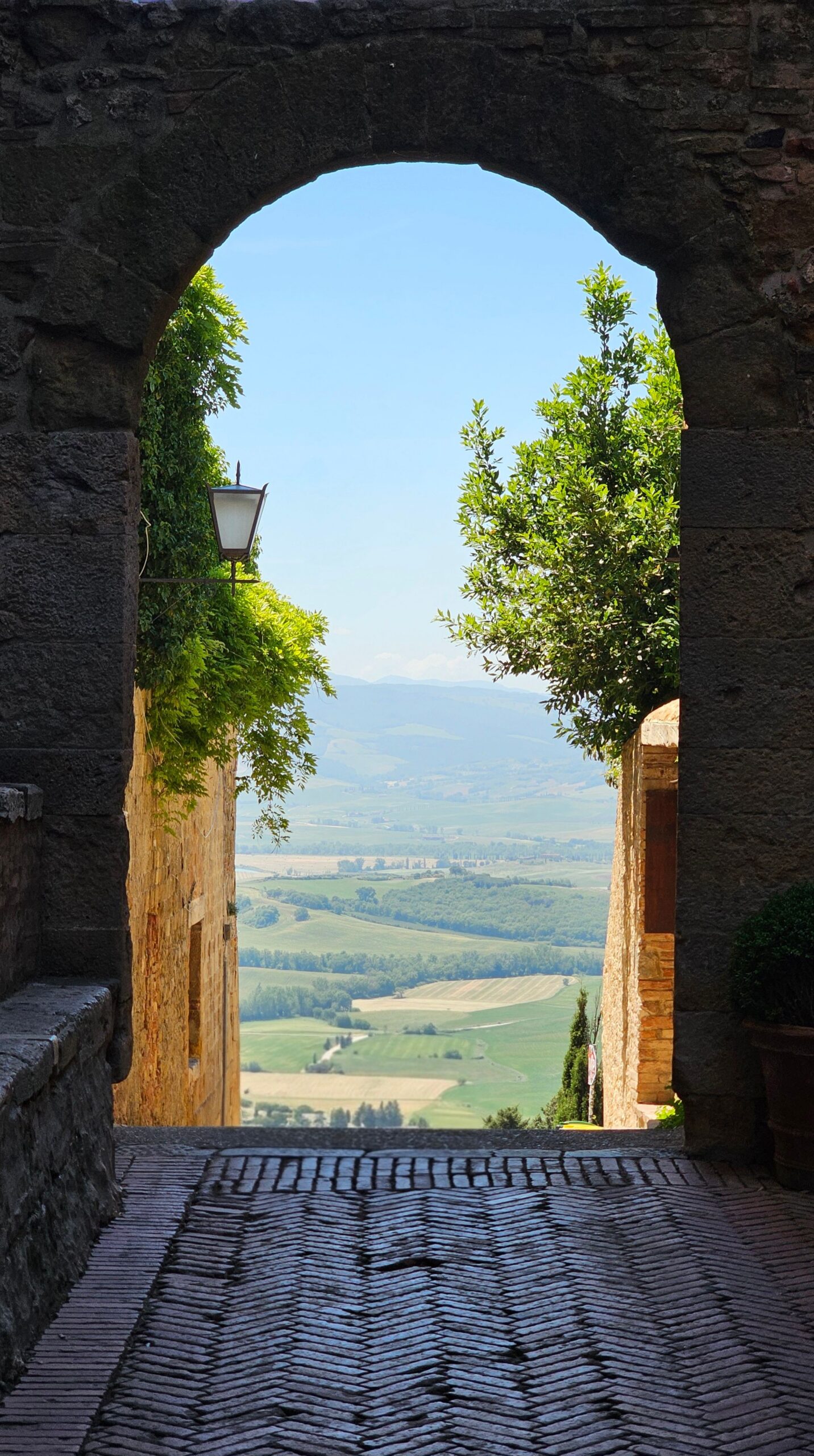
The answer may be a pergola, a mature tree, a loggia, the north side of the building or simply a wall that casts deep shade at the correct hour. Whatever form it takes, shade becomes a form of spatial planning.
This is the season when photographs can be misleading. The open view across a valley may be magnificent at midday and still not be the place anyone chooses to sit. The south-facing terrace that was perfect in April can become somewhere crossed quickly between two cooler spaces.
Inside, the house develops another rhythm. Windows that were opened eagerly in spring may be managed more strategically. Shutters close against direct sun. Thick walls can slow the transfer of heat, particularly when cooler night air has been allowed through the house.
Daily behaviour begins following temperature rather than the clock.
Breakfast outside is early. Errands happen before the heat builds. Lunch becomes slower partly because movement is less appealing. Late afternoon brings the first reopening of parts of the house. Dinner drifts later.
Tuscany’s historical climate data is a useful corrective to the idea of a uniformly gentle summer. At Siena, LaMMA’s 1991–2020 series records an absolute maximum of 39.6°C and an average of ten days a year above 34°C. The full Siena climate series is available through LaMMA.
The luxury of a Tuscan house in July is not exposure to the landscape.
It is the ability to choose when to be exposed to it.
The Garden Has a Different Calendar
Gardens are often presented as if May were their permanent state.
Nothing in a real garden agrees.
Spring belongs to growth and exuberance. By high summer the priorities have shifted towards shade, irrigation, resilience and what can survive sustained heat without constant intervention. Grass that looked convincing in April may be entirely wrong for the landscape by August.
An old agricultural property makes this especially visible because the distinction between garden and productive land is rarely absolute.
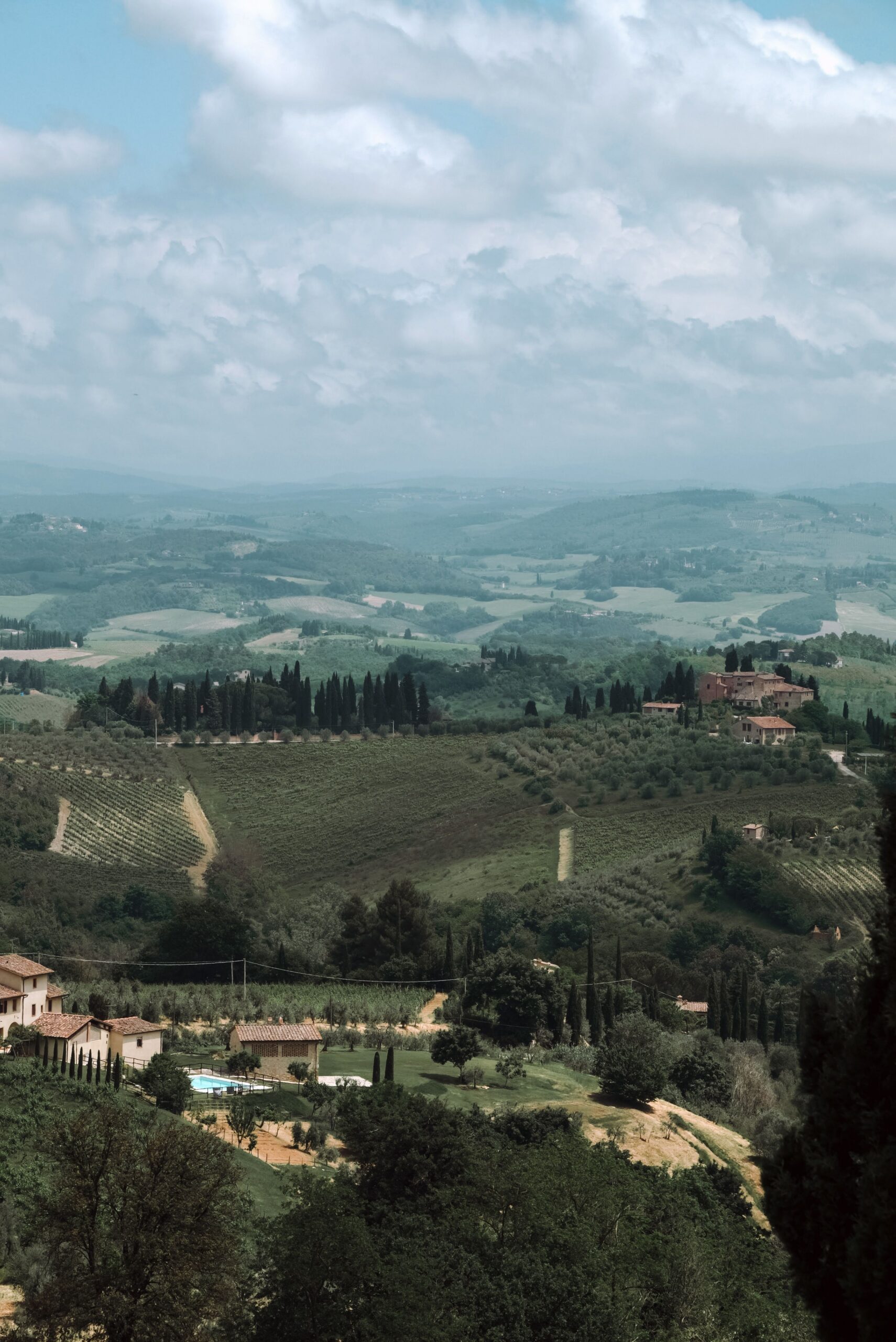
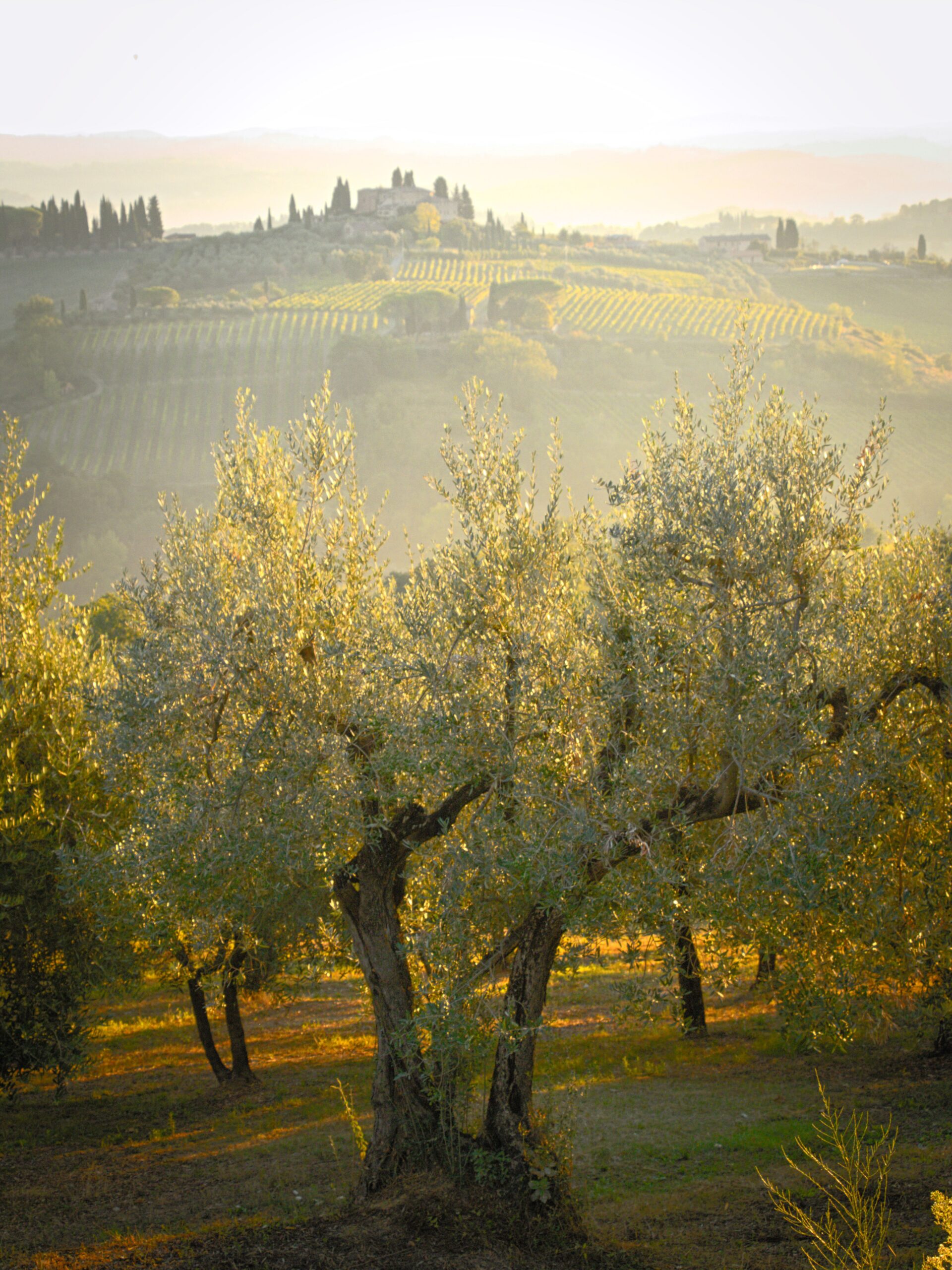
There may be olives beyond the pool, vines further down the slope, fruit trees near the house and herbs growing wherever conditions suit them. The ornamental garden sits inside a much older agricultural pattern.
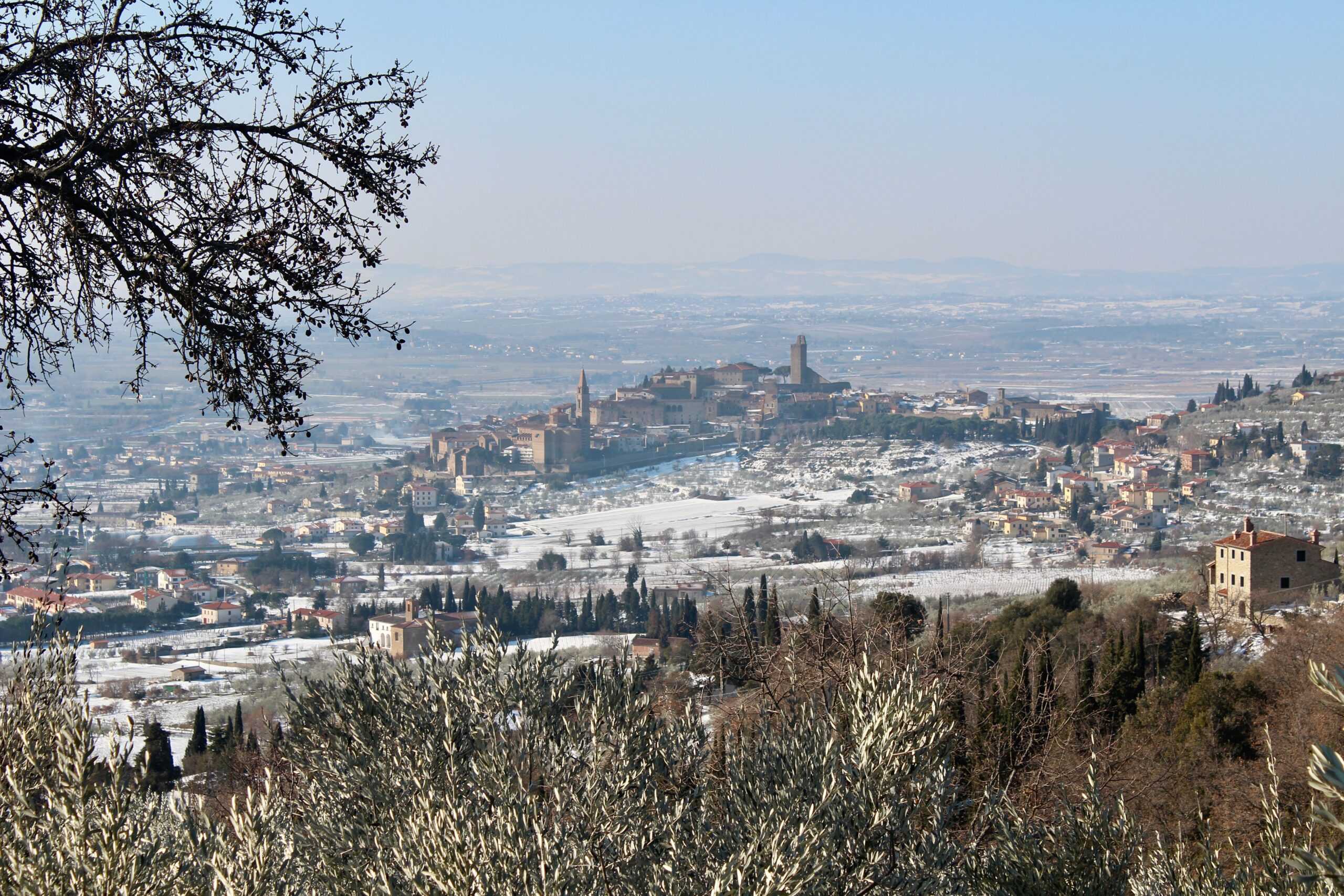
Val d’Orcia offers the grandest expression of this relationship. UNESCO describes Val d’Orcia as a living agricultural landscape of farms, fields, vines, olives, pasture, villages and farmhouses whose pattern still reflects centuries of land management.
That broader context matters for the house.
A garden that belongs in Tuscany should not feel as though it could have been lifted wholesale from another climate. It can still contain pleasure, structure and even considerable formality, but the most convincing version reads what the land around it is already saying.
The garden does not need to remain green in exactly the same way throughout the year.
Seasonal change is not a maintenance failure.
“Its architecture is not just a response to place. It is a response to time in that place.”
September Gives the House Back
By late summer, something subtle happens.
The house opens again.
The shutters stay wider for longer. Bedrooms that required protection from afternoon heat become easier to use throughout the day. The terrace no longer needs to be occupied according to the movement of shade. Walks can begin at an hour that would have seemed foolish a month earlier.
This is perhaps the season when house and landscape are most evenly matched.
Neither interior nor exterior dominates.
Doors remain open, but being indoors no longer feels like retreat. The garden is still part of the day while the kitchen begins reclaiming some of the attention it surrendered in June.
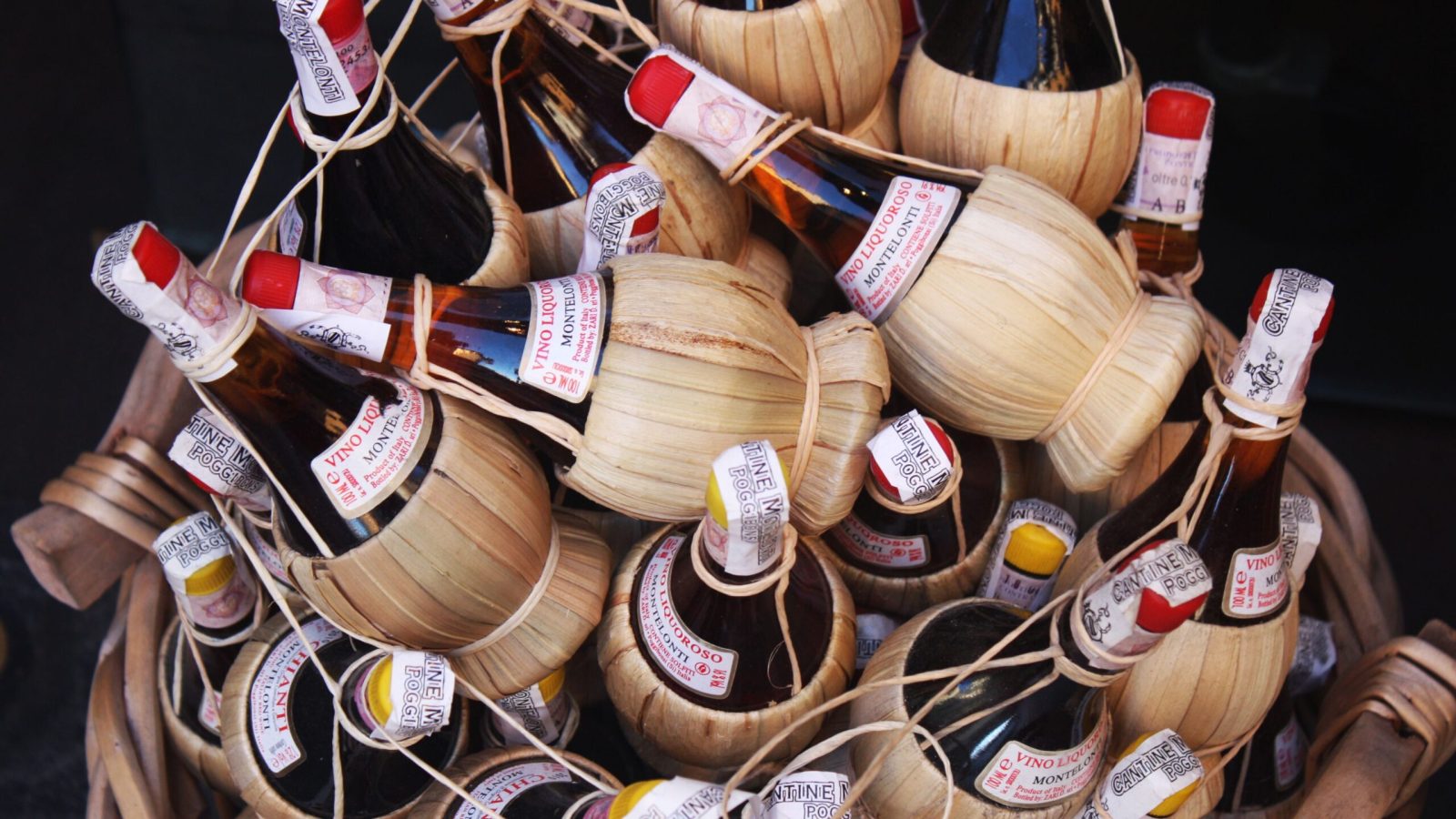
There is also a different relationship with the land. The agricultural calendar becomes more visible as late summer gives way to harvest. September and October are the traditional months of the Tuscan vendemmia, although exact timing varies from vineyard to vineyard and from year to year according to weather and ripeness.
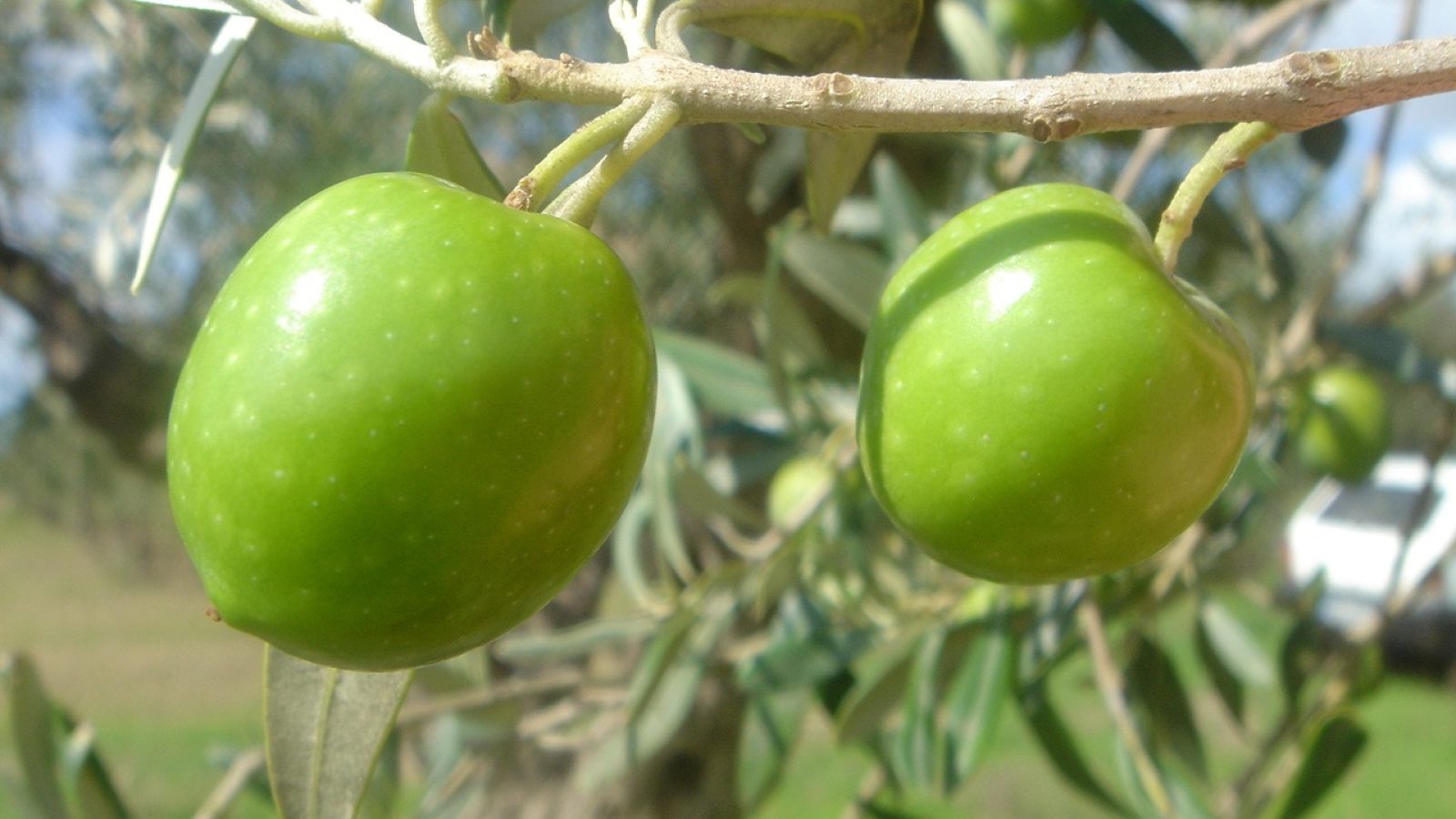
Olives follow. Visit Tuscany notes that harvesting generally starts in October, with fruit ideally reaching the mill quickly after picking.
The house begins receiving things from outside again.
Baskets. Grapes. Vegetables. Mud on shoes after the first proper rain.
The terrace does not close for the year.
It simply stops carrying the whole household by itself.
Autumn Comes In Through the Kitchen
Autumn makes Tuscany edible in a way summer sometimes obscures.
The landscape that provided scenery in August begins producing work. Vineyards are harvested. Olive groves become active. The first new oil appears. Kitchens change accordingly, not because somebody has updated a seasonal menu but because different ingredients and temperatures call for different food.
The timing varies across the region. In Valdichiana Senese, for example, olive harvesting can continue through November and December, with hand picking still playing an important role alongside mechanical assistance.
This alters the atmosphere of a rural house in ways that have little to do with decoration.
Cooking becomes more attractive because the kitchen no longer overheats the day. The table inside fills again. Rain can remove the terrace from consideration entirely, which is precisely when it becomes obvious whether the house has enough interior life.
At Siena, the current LaMMA climate series records 312 mm of autumn rainfall, compared with 120 mm in summer. October and November are among the wettest months of the year. LaMMA’s Siena climatology gives the full monthly rainfall series.
A beautiful house therefore needs a credible rainy day.
Somewhere to leave wet shoes. Light good enough to read by at three in the afternoon. A kitchen people want to remain in. Windows from which the landscape is still present even when nobody is inclined to enter it.
Summer can flatter mediocre architecture.
Rain is less generous.

The Fire Redraws the Floor Plan
The first fire of the year does more than warm a room.
It changes where people sit.
Furniture that seemed perfectly positioned in summer suddenly makes less sense if none of it faces the hearth. A distant sitting room becomes less appealing than a smaller one with firelight. The kitchen may once again absorb the evening.
Historical Tuscan houses took this spatial gravity for granted. The fireplace was not a decorative focal point added to a finished room. It could be a source of warmth, light and cooking heat, and the domestic arrangement followed it. One recollection preserved by the Regional Council of Tuscany describes benches positioned directly alongside the kitchen fireplace so family members could sit close to the warmth.
Modern houses do not need to mimic that arrangement literally.
What remains useful is the idea that winter requires its own plan.
A fireplace that exists only to look good from the doorway is no more successful than a summer terrace without shade. The room must know what it wants people to do.
Sit closer.
Stay longer.
Turn away from the large window for an hour, even though the landscape outside is the reason the house was bought.
One of the pleasures of winter is discovering that the view does not need to carry the entire building.
A House Worth Returning To Has More Than One Season
The easiest Tuscan house to fall in love with may be the one seen in June.
The light is generous. The garden is alive. Every door can be left open. The terrace explains itself instantly. If there is a pool, it is doing exactly what the photograph promised.
But June is an incomplete examination.
February asks whether the rooms have intimacy. July asks whether the house understands shade. November tests what happens when the garden is wet and darkness arrives early. Spring asks whether the boundaries between house and landscape can dissolve without effort.
A house that works through all four seasons does not behave identically in each one.
That would almost be a failure.
Its strength lies in having several ways to be inhabited. Some rooms expand in importance while others temporarily recede. Outdoor spaces become domestic spaces and then return to the weather. The sun changes from something invited inside to something deliberately kept out. Fire goes from irrelevant to magnetic.
The wider Tuscan landscape has long worked through this kind of seasonal adjustment. Even the celebrated landscape of Val d’Orcia is not an untouched backdrop but an agricultural territory whose farms, settlements and land use developed together over centuries. UNESCO still describes it as a living cultural landscape rather than a preserved tableau.
The contemporary purpose of the house may be entirely different, but the seasonal logic has not disappeared.
Perhaps that is why returning to the same house can remain interesting.
You do not return to exactly the same place.
In January, the fireplace is the centre. In May, the threshold is. In July, everyone knows where the shade will be at lunch. By October, the kitchen has regained the house and the garden has begun changing colour and purpose.
Nothing fundamental has moved.
Yet the life of the house has.
And that may be the better test of a second home: not whether it produces one unforgettable week in summer, but whether you would still choose to open its door when the season has changed.

A life in five places
Curated co-ownership of characterful homes across Europe.
STAY CLOSE
The first collections are taking shape. Discover the homes, ownership model and what it means to become a member.
For enquiries: hello@lioravision.com
© 2026 Liora Vision · Legal Notice · Privacy Policy · Terms · Cookies
