
The Geography of Five Homes
17 October 2026
When we began thinking about Liora, we were not trying to assemble five impressive properties. We were trying to understand what five carefully chosen homes could offer together that no single second home could. That distinction has shaped almost every decision since.
Five Good Houses Can Still Be the Wrong Five
It is perfectly possible to choose five exceptional houses and still end up with the wrong collection.
If each property is judged only on its own merits, the result may contain plenty of beauty but surprisingly little variety. Five wonderful country houses surrounded by olive trees can offer fewer genuinely different ways of spending time than their number suggests. The same would be true of five elegant city apartments, or five homes that are all at their best in July.
We therefore learned to look beyond the individual house. What matters is what it adds to the four others.
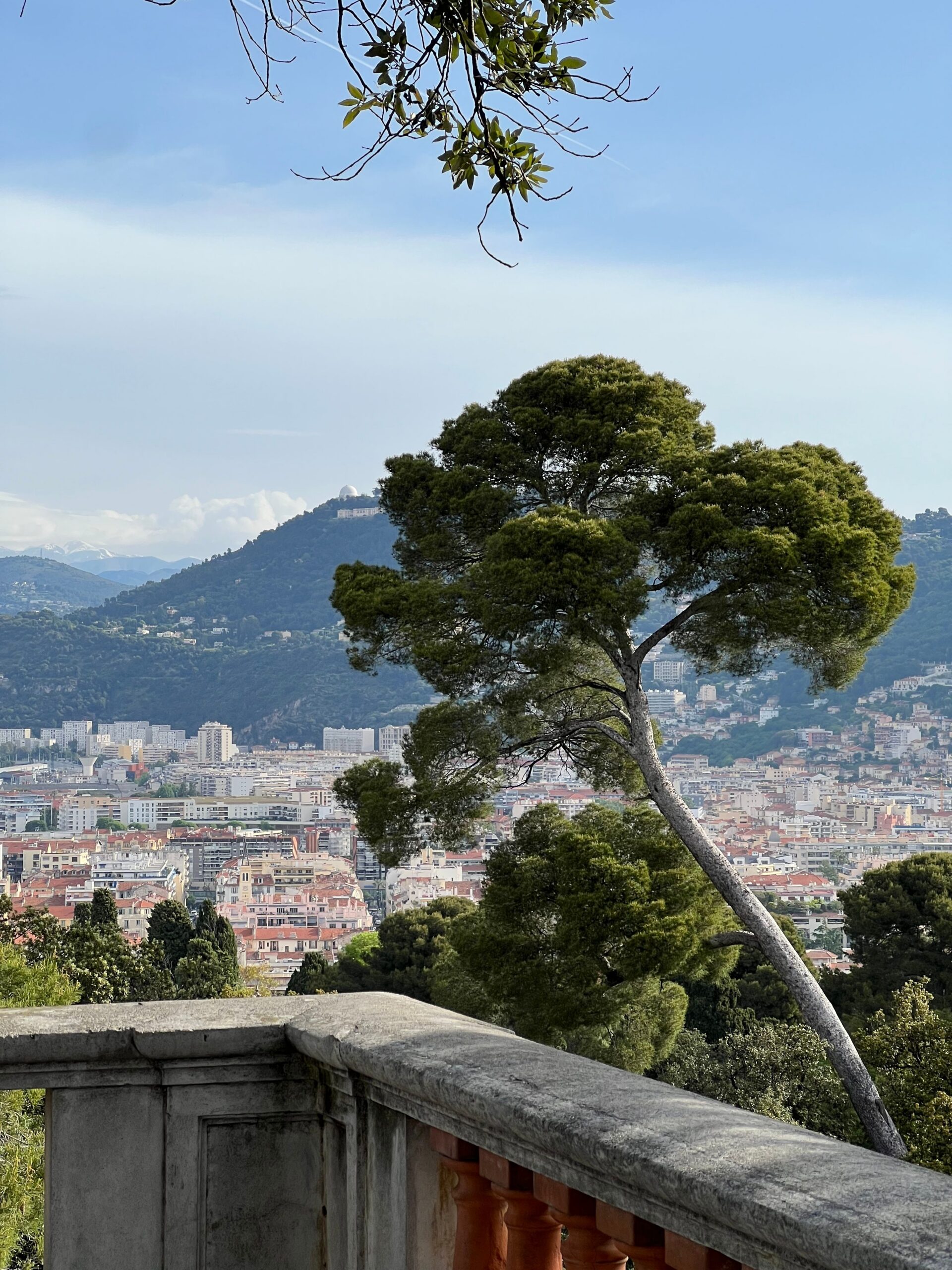
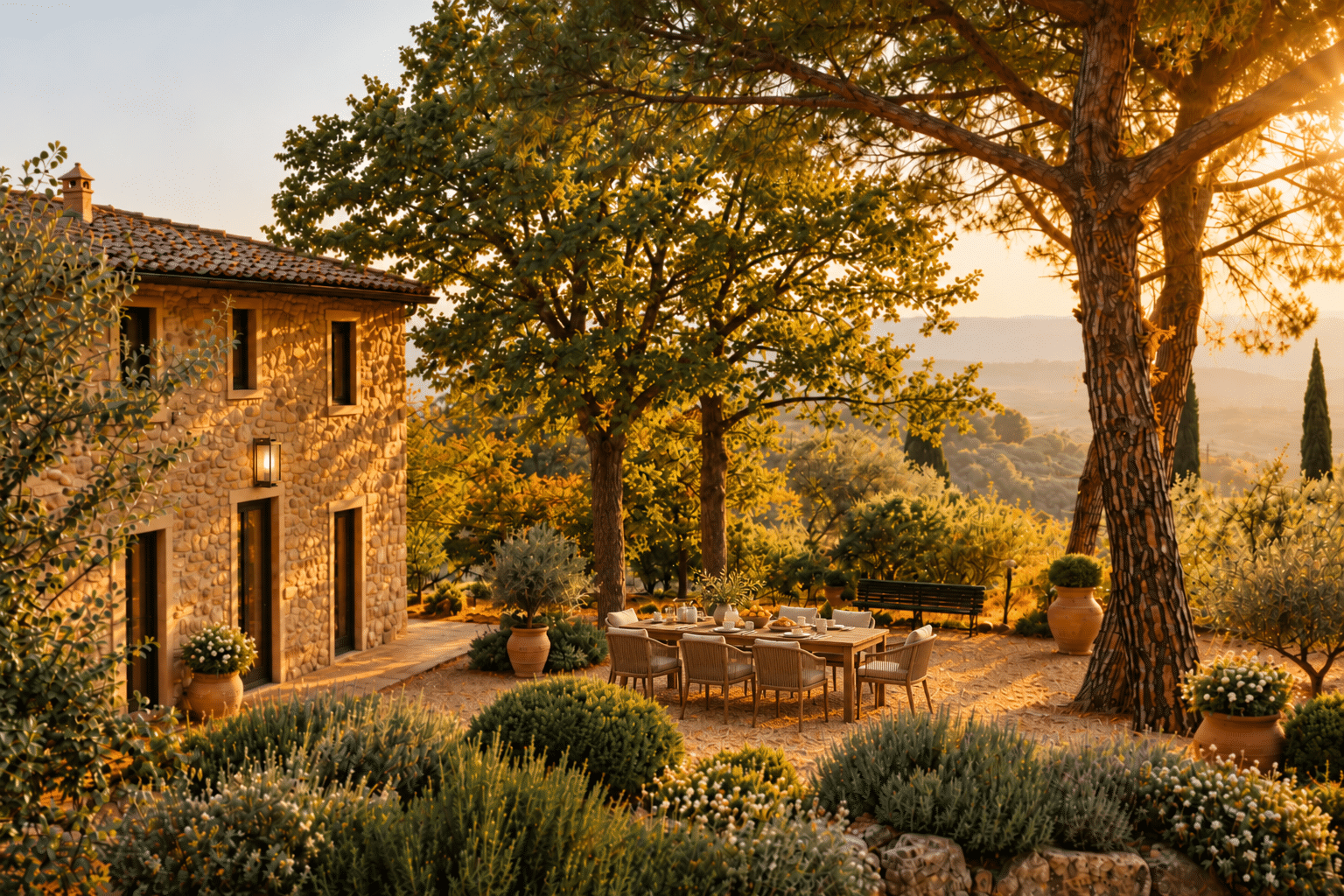
That also changed our thinking about Ville and Terroir. Those categories were useful when Liora was still taking shape, but the distinction became too rigid once we started looking closely at real places. A region does not dictate one type of stay. In the South of France, an apartment in Cannes might offer sea, restaurants, markets and days lived almost entirely on foot. A house around Tourrettes-sur-Loup could bring garden, landscape and village life. Geographically they belong to the same wider world; experientially they give the collection something quite different.
Today, balance matters more to us than labels.
When we consider a home, we ask what the collection still lacks. Does this one bring winter, walkability, outdoor life, culture, sea, space for a family or the possibility of disappearing somewhere quiet for a week? When would we most want to use it, and does another home already answer that need?
This means the most spectacular property is not automatically the right one. If four homes already offer gardens, pools and long summer days outside, an apartment above a European street may make the collection stronger than another villa with a better view.
A beautiful house makes it easy to imagine living there. Our job is to resist that for a moment and ask a different question: what becomes possible because this house is part of these five?
That is where, for us, a collection begins.
A Collection Has Its Own Logic
Once we stopped looking at homes as isolated purchases, another question became more important: what should the five feel like together?
Not visually. We have no interest in creating five versions of the same interior in different countries. The coherence has to come from somewhere deeper: the way the homes complement one another across seasons, lengths of stay and ways of living.
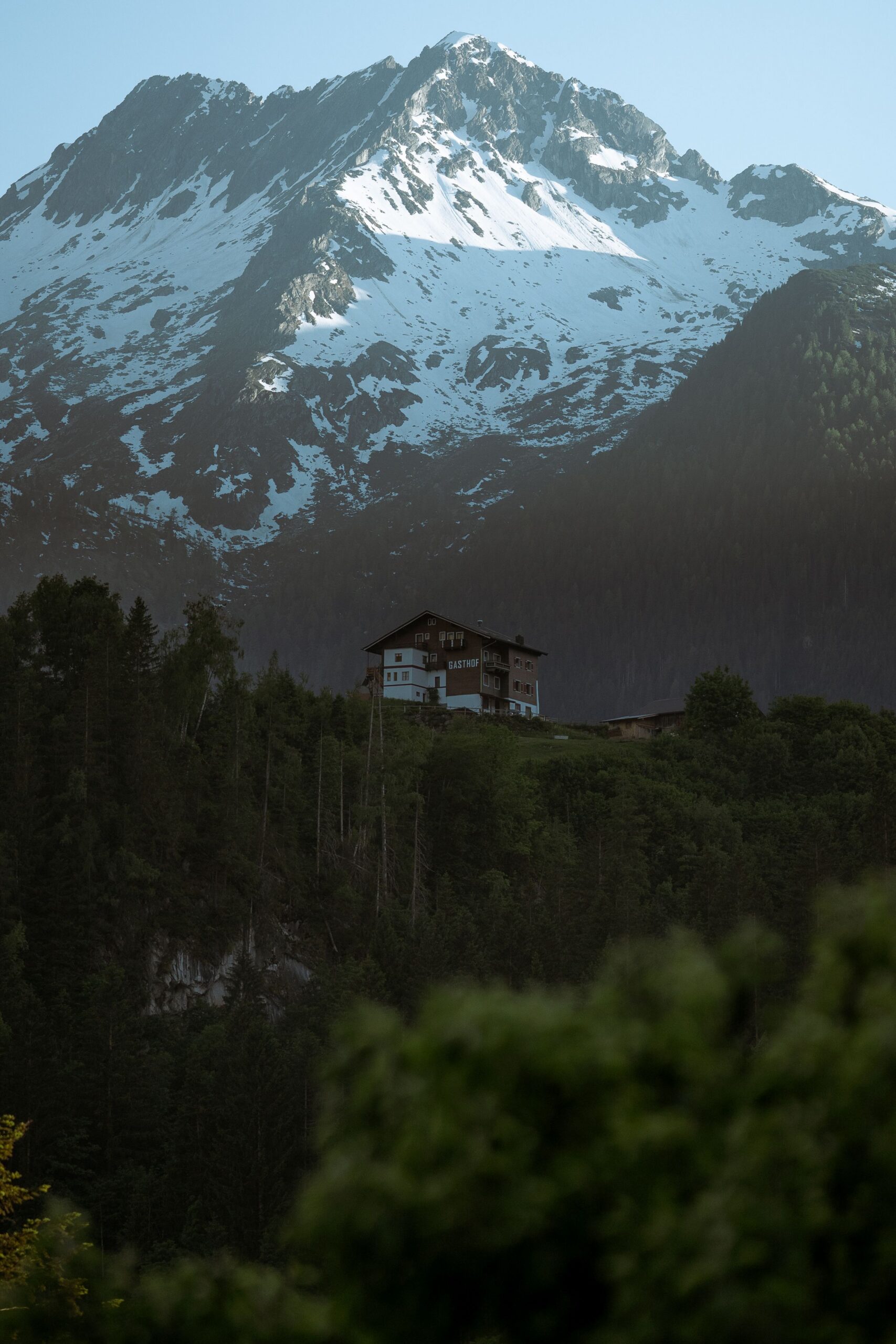
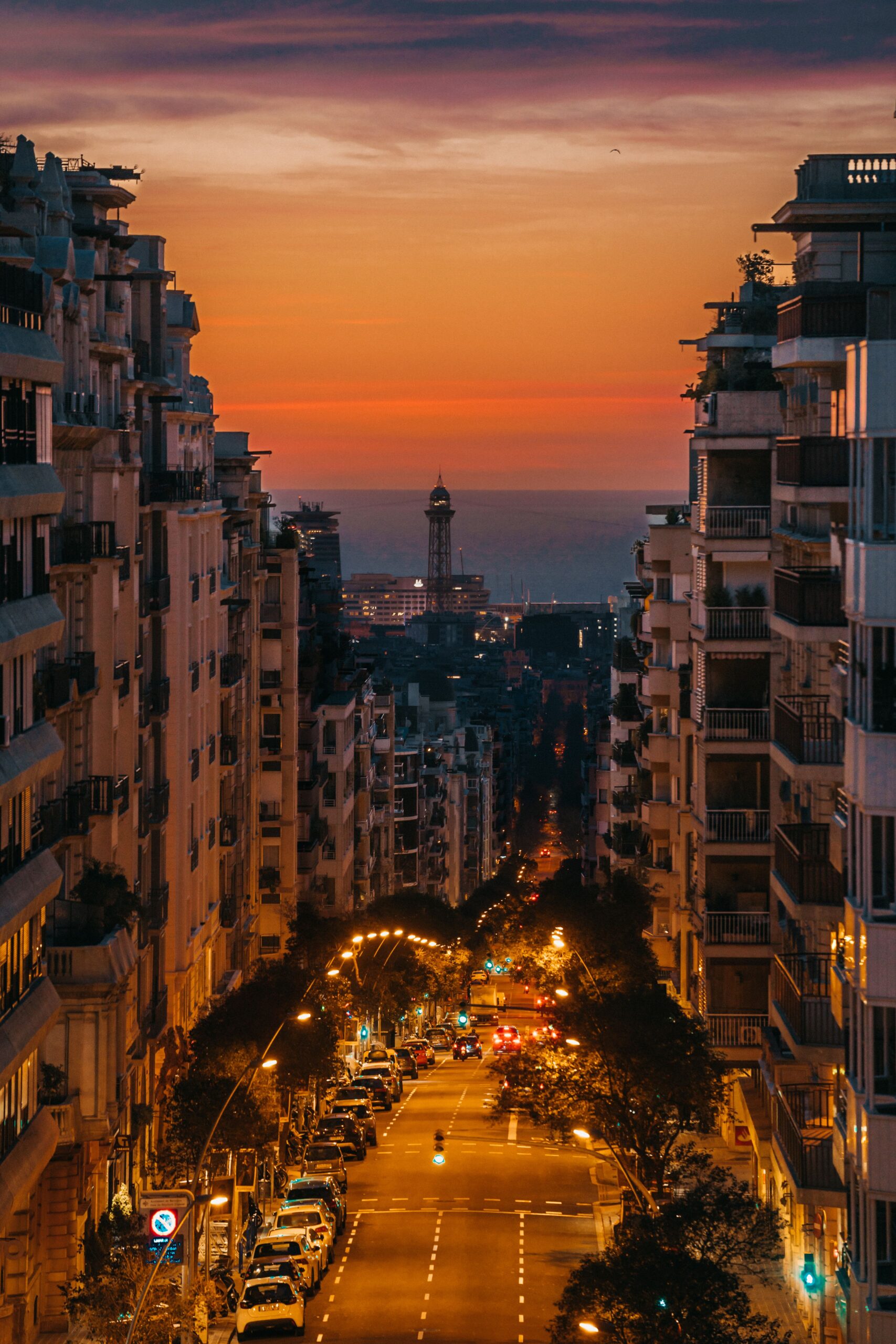
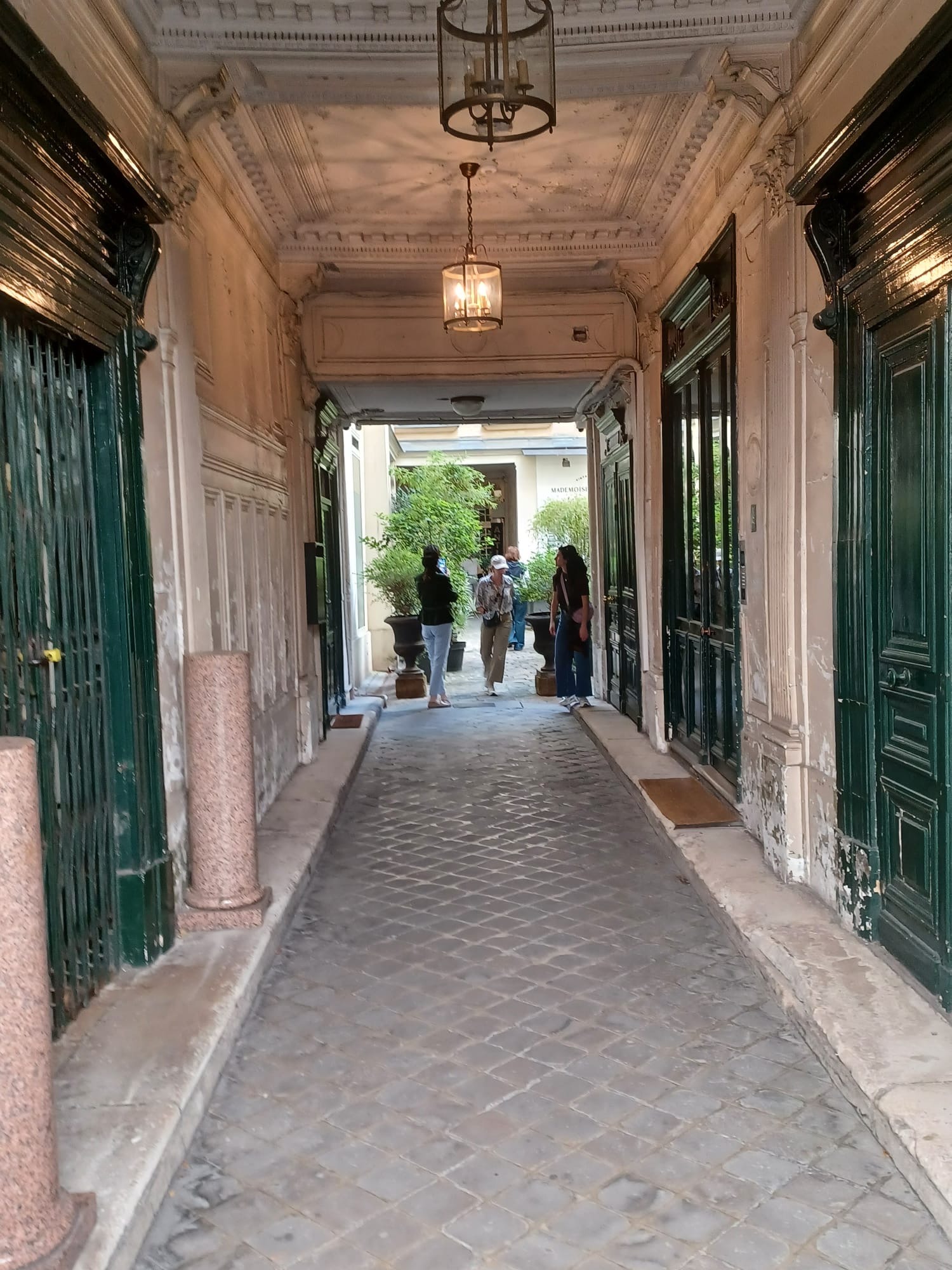
One may be the place we naturally think of for a long summer with family. Another may make more sense for four days in November, when being able to walk to dinner matters more than having a large garden. A mountain home brings a very different kind of winter from a house near the Mediterranean, while Paris may offer exactly what a rural property cannot: the possibility of arriving for a few days without needing a plan at all.
We are not trying to allocate one function to each house. That would simply replace Ville and Terroir with another rigid system. The interesting homes usually do several things well, and their use changes through the year.
What matters is that the collection as a whole does not keep answering the same question.
This also means that we can accept qualities in one property that might feel limiting if it stood alone. A city apartment does not need a garden if the collection already offers generous outdoor living elsewhere. A house in the mountains does not have to be the obvious choice in August if another home is at its best then. The strength sits partly in those differences.
We increasingly find ourselves judging a property in two frames at once: the house in front of us, and the four homes that will eventually surround it.
Only when both pictures make sense does it begin to feel like part of Liora.

Regions Matter More Than Labels
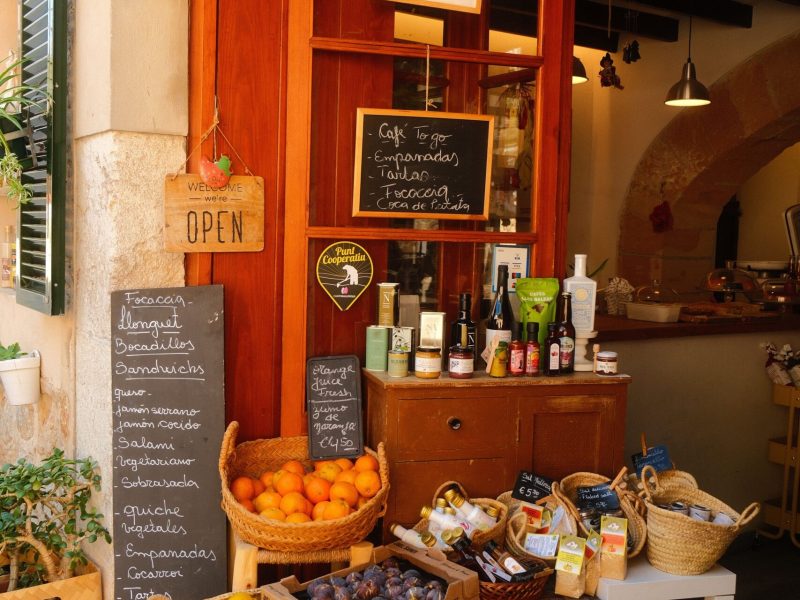
When we look at a new region, we are not simply asking whether it is somewhere people would like to spend a holiday. We want to understand what makes that part of Europe worth returning to, and whether it offers something the other regions in our collection cannot quite replicate.
That begins with the place itself. Its architecture, landscape, food, climate and everyday rhythms all matter, as does the relationship between its towns and countryside. Some regions invite us to spend our days on foot, moving between a market, a bookshop and a familiar restaurant. Others make us want a garden, a long lunch and a road that leads somewhere different each morning. Neither is inherently better. They simply offer different ways of inhabiting a place.
We have also learned not to let a region dictate the kind of property we should buy there. A city apartment can be the right expression of a predominantly rural region, just as a house with land can make sense within a destination known for its urban life. The question is whether the property allows us to experience that particular part of Europe in a way that feels convincing.
This is why we no longer find a strict division between Ville and Terroir particularly useful. Those words describe certain qualities of a home, but they do not adequately explain its place in the collection. A property may combine village life, landscape and easy access to a lively town. Another may sit in the centre of a city yet offer a slower, more residential way of living.
We want to preserve that freedom when we select regions and properties. The geography gives the collection its structure; the individual homes determine how we experience it.
“We are not trying to maximise choice. We want each choice to remain meaningful.“
Why We Stopped at Five
Five was never intended as a formula in search of an explanation. We arrived at it by asking how much choice a collection could offer before something important started to disappear.
One home creates familiarity, but it also fixes a large part of the decision in advance. At the opposite end, a very large portfolio can offer enormous choice while making the individual homes increasingly interchangeable. Somewhere between those two extremes lies the kind of relationship with place we wanted Liora to preserve.
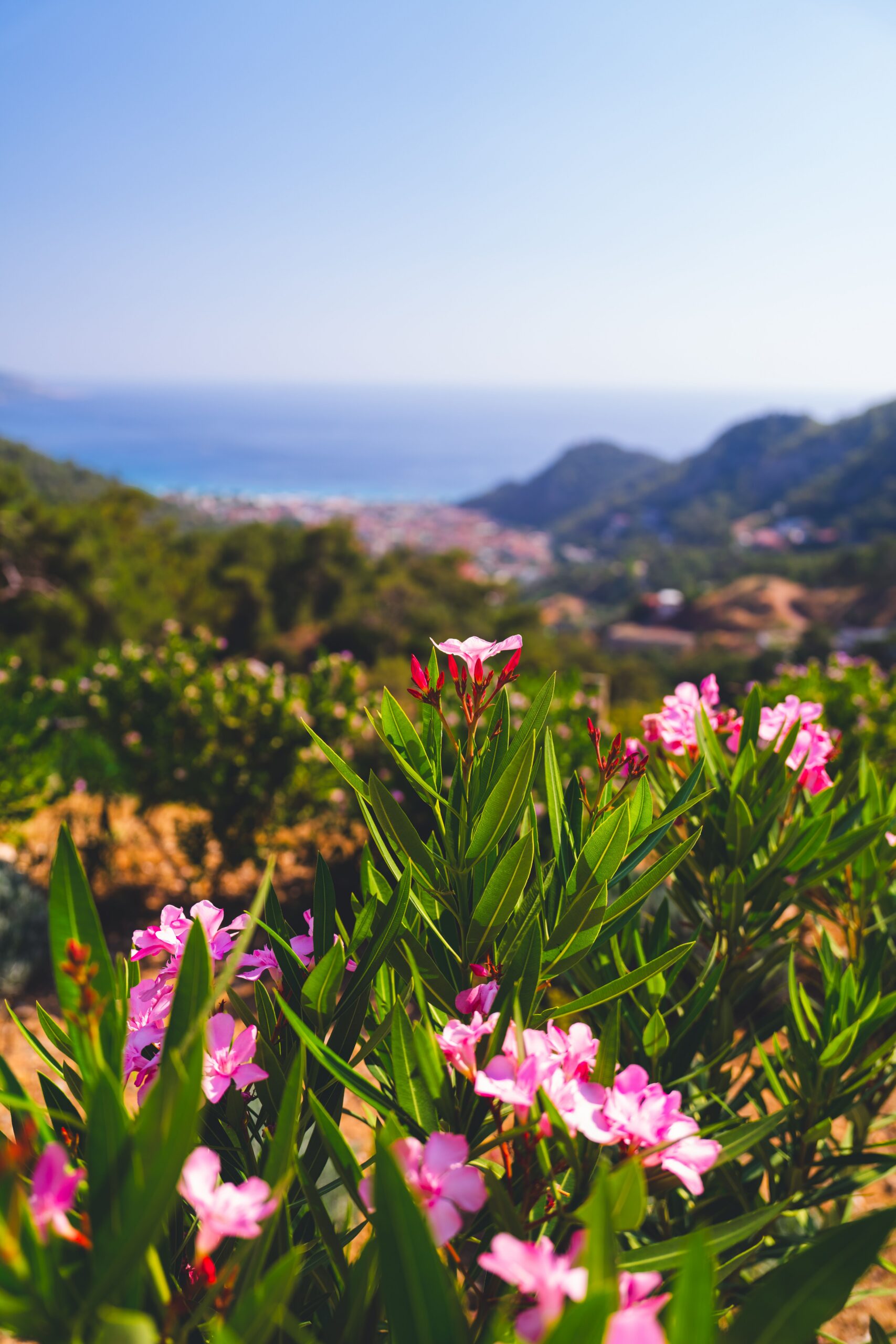
Five creates enough difference for the year to change shape. There can be mountains and sea, days lived almost entirely outside and others spent in a city, homes that invite three quiet days and others that make a longer stay feel natural. There is room for weather, season and mood to influence the decision rather than one address determining every holiday.
At the same time, five remains small enough for repetition. We want people to know the homes rather than simply recognise them from photographs. Over time, the practical details stop requiring thought: which room works best with the children, where the morning sun arrives first, how the house feels in October compared with June.
There is no mathematical proof that five is the perfect number. It is a curatorial choice. Fewer homes would narrow the range considerably; many more would risk replacing familiarity with selection.
We are not trying to maximise choice. We want each choice to remain meaningful.
Five gives us enough geography to create contrast, while leaving enough repetition for those places to become part of someone’s life.
A Region Has to Give Us More Than a Good Week
Beautiful places are not difficult to find in Europe. Places that continue to be interesting after the obvious week is over are considerably rarer.
That distinction matters to us.
When we consider a region, we think about what happens after the first visit. Is there enough cultural, geographical and everyday depth to return in another season? Does the place still work when its best-known reason for visiting is absent? Can someone build routines there rather than continually looking for new attractions?
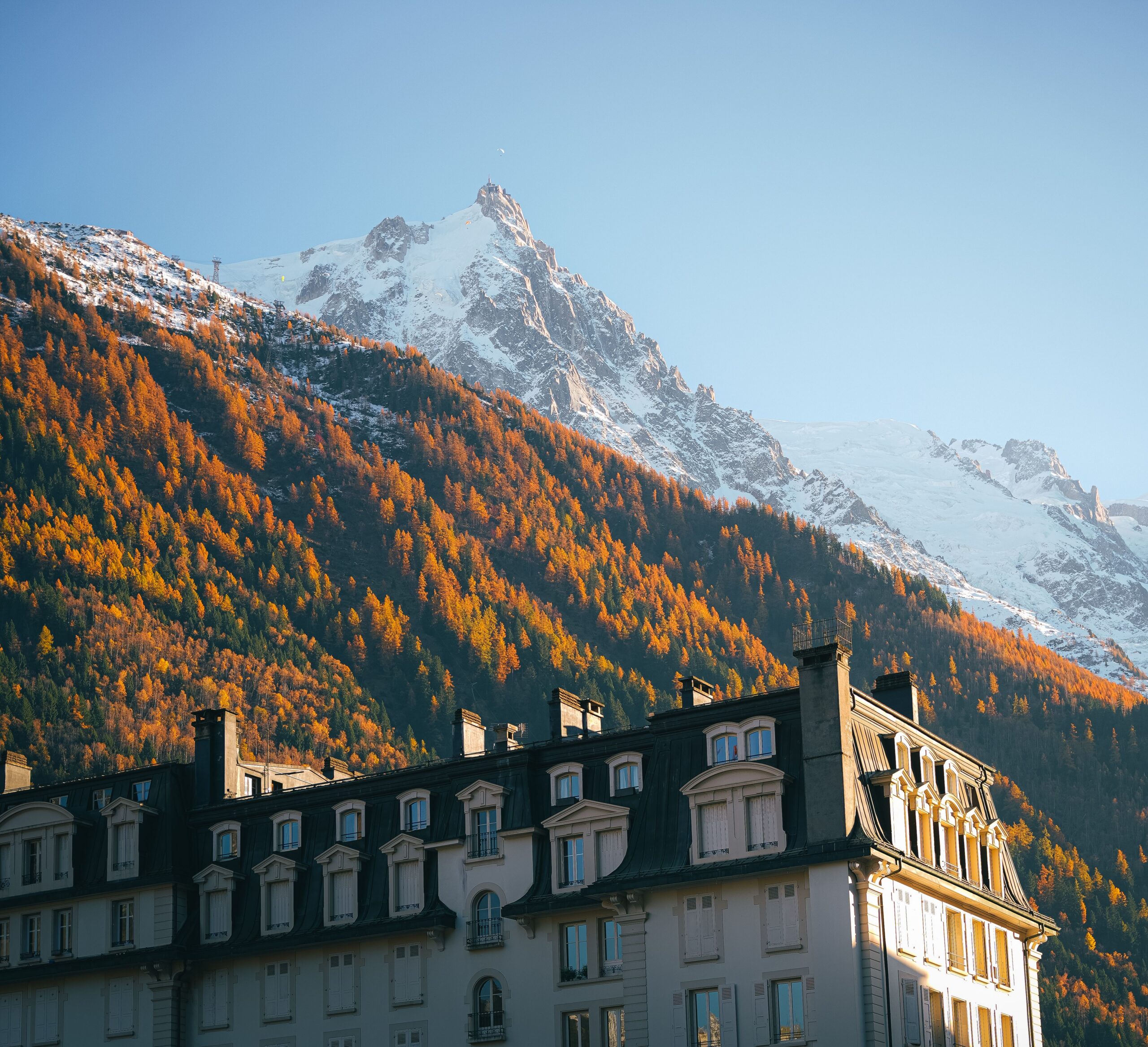
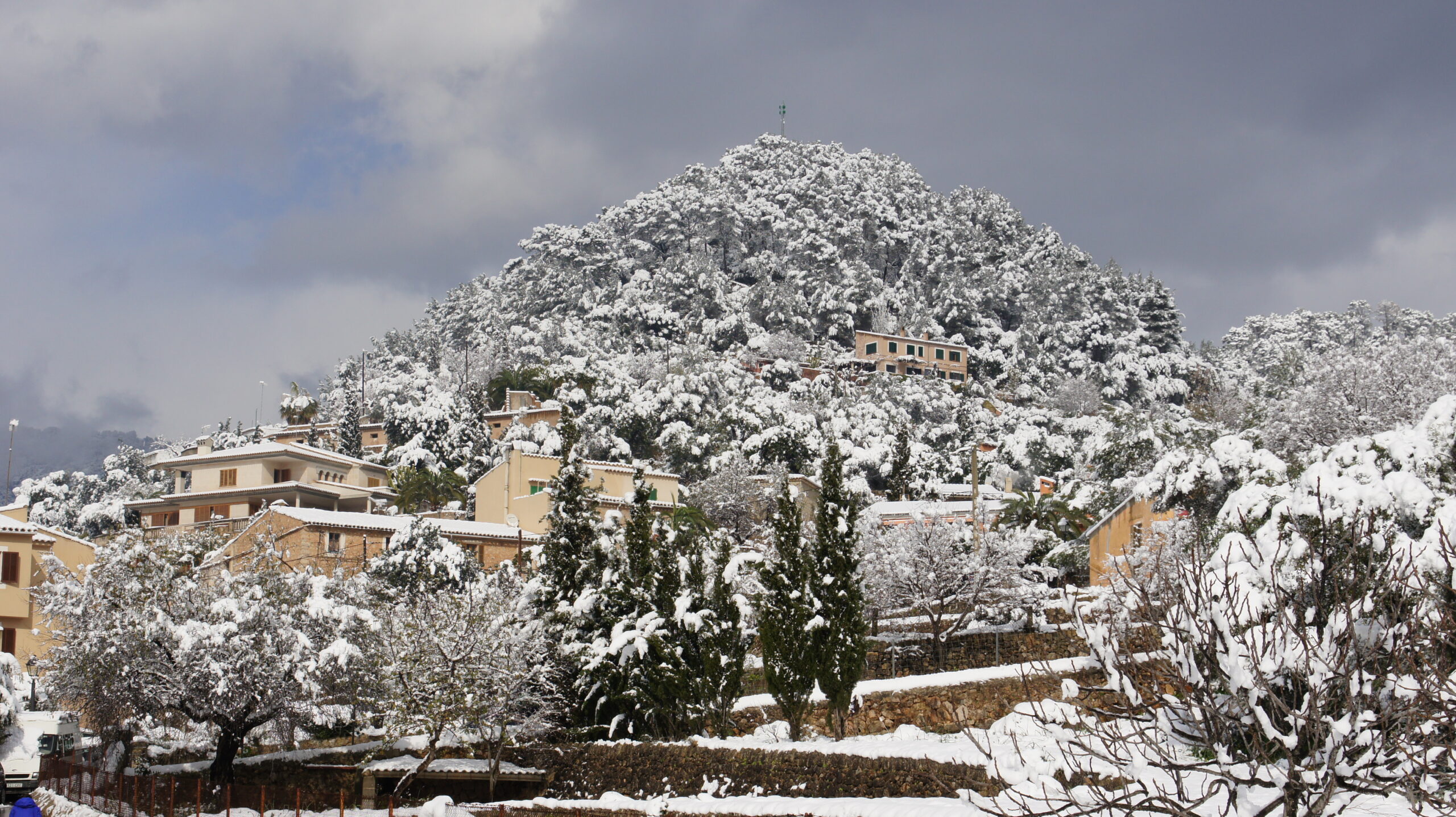
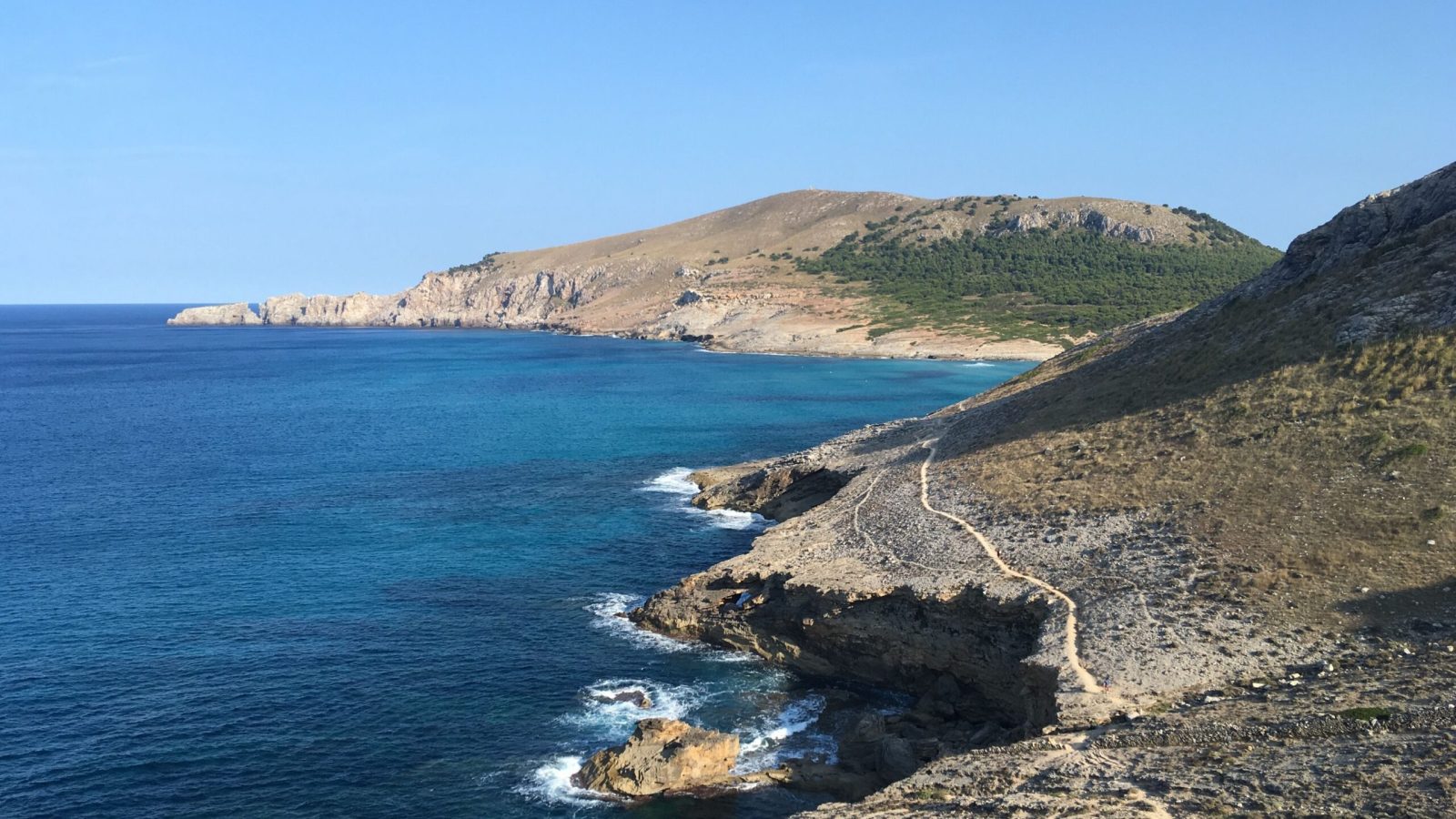
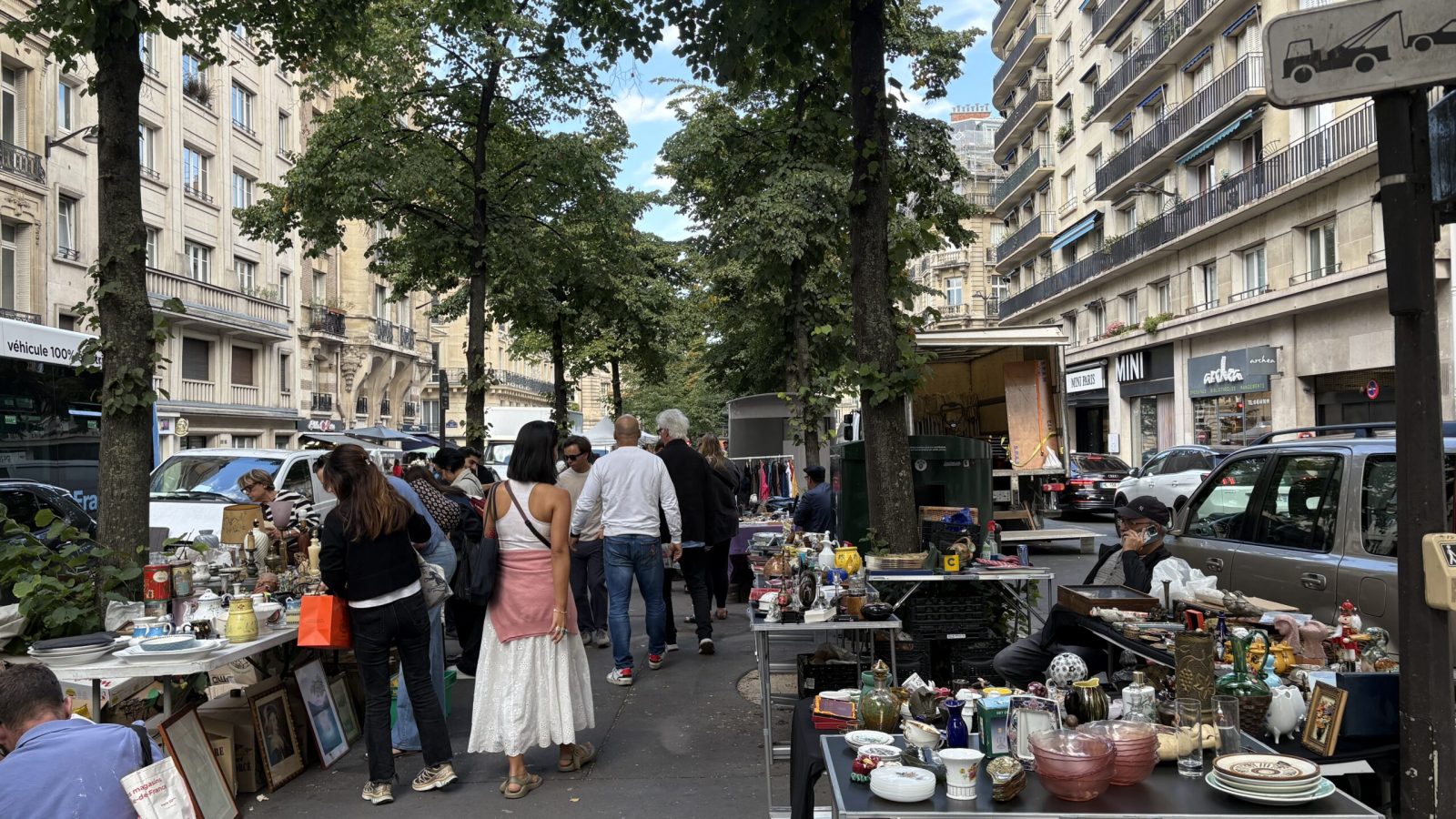
This is one reason we are drawn to regions that resist a single definition. The Mont Blanc valley is more than a ski week. The northern Tramuntana is not dependent on August. Tuscany changes substantially when summer ends rather than simply closing down, while a part of Paris can sustain an entire day without anything that would appear on a list of monuments.
Accessibility matters too. A remote place can be seductive when we first discover it, but repeated use asks a more practical question: how much effort does it take to get there, and what happens once we arrive? We are not looking for convenience at the expense of character, but a home intended for repeated use should not require an expedition every time someone opens the door.
The best regions offer several ways into them. Landscape may be the first attraction, but food, architecture, towns, weather, history and ordinary local life give us reasons to stay interested.
We do not need every region to provide the same things. In fact, we would rather they did not.
What we need is enough depth that returning does not feel like repeating the previous trip.
The Coast and the Hills Are Not Opposites
The South of France helped us understand why the old distinction between city and countryside had become too narrow.
It is easy to imagine the region through property types. An apartment by the coast belongs to one category; a stone house in the hills belongs to another. On paper they seem to represent different ideas of a second home.
In practice, the geography connects them.
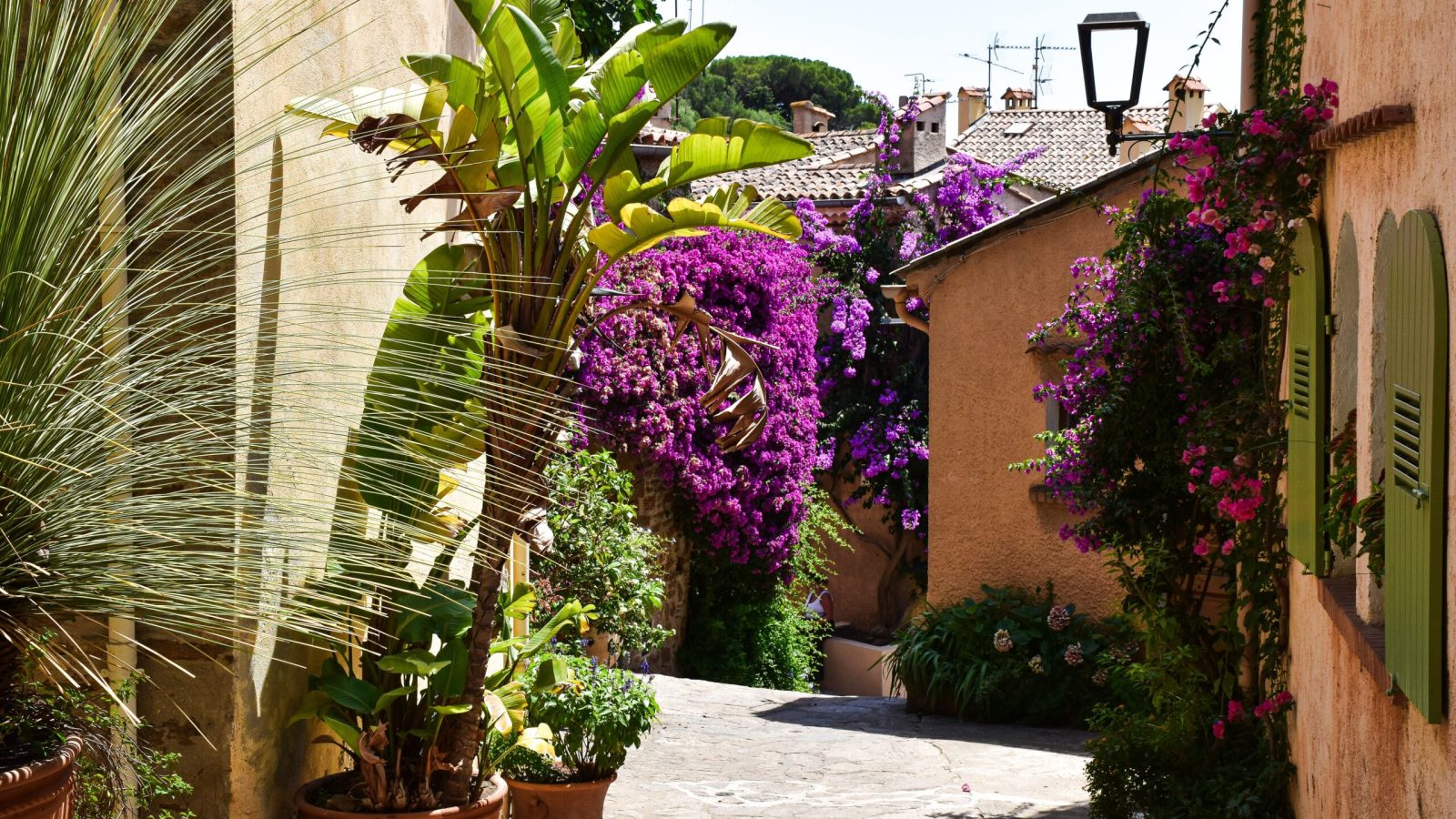
An apartment in Cannes could offer a morning at the market, restaurants within walking distance, the sea at the end of the street and the possibility of living for several days without using a car. A house around Tourrettes-sur-Loup could offer terraces, landscape, a village nearby and the sense of withdrawal that comes from leaving the coast behind. Yet both are part of the same wider South of France world and can complement the rest of a collection in very different ways.
That changes how we think about destinations too. Cannes does not necessarily need to stand alone as a category in order to remain interesting to us. It can be one possible expression of a broader region, just as a village house or a property further inland can be another.
The important decision is therefore not whether we need a Ville or a Terroir in the South of France. It is what kind of South of France the collection still needs.
That may sound like a small distinction, but it gives us considerably more freedom when we search. Instead of forcing the right house into a predetermined box, we can ask whether its particular combination of setting, architecture and daily life adds something worth having.
The region remains the anchor.
The property is how we choose to experience it.
A Collection Has to Work in February Too
A collection can look beautifully balanced on a summer afternoon and still be surprisingly limited.
If all five homes reach their natural peak between June and September, then the choice is narrower than it first appears. We want the calendar itself to become part of the collection.
That does not mean assigning one home to each season. Places are more interesting than that. Chamonix in autumn can be as compelling as Chamonix under snow. The South of France has a winter life that long predates its modern summer image. Paris does not need warm weather to justify a few days, and a Tuscan house can reveal more about itself beside a fire in November than beside a pool in July.
What matters is that different moments in the year produce genuine alternatives.
In February, there should be somewhere that feels right rather than merely available. The same should be true in April, October and during those less obvious weeks between school holidays and peak seasons. A collection intended to be used repeatedly should not spend half the year waiting for summer.
Seasonality also changes the way we judge a property. We look beyond the photograph taken on the estate agent’s best day. Where will people sit when it rains? Does the town still have life outside the season? Is winter access realistic? Does shade work in August? Would we still want to arrive when the pool is covered?
Those questions are less glamorous than a perfect view, but they tell us much more about how a house will actually be used.
We want five homes that make the European year feel larger, not five addresses competing for the same six weeks.
Three Days Is Not Three Weeks
Time changes what we ask from a home.
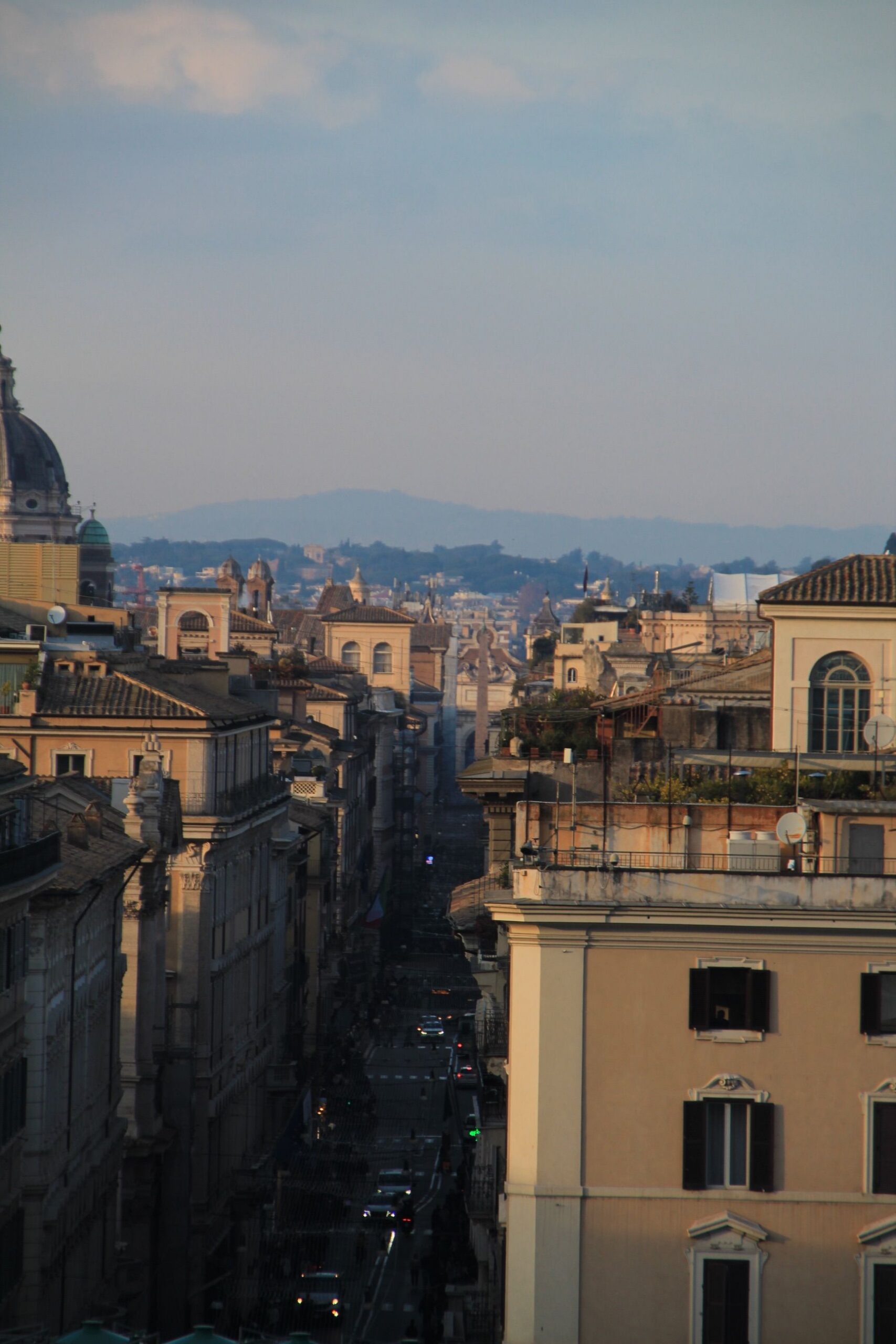
For three days, immediacy can matter enormously. Arriving, putting down a bag and walking out for dinner may be worth more than an acre of land. The neighbourhood becomes part of the house because so much of the stay happens beyond its front door.
Three weeks make different demands.
There needs to be enough space for people to separate as well as gather. Cooking becomes more important. Laundry stops being an incidental service. Children need places where ordinary days can unfold, and the surroundings have to offer more than a succession of restaurants and planned activities.
We therefore do not expect every home to be equally suited to every length of stay.
A collection should absorb those differences. Someone may choose Paris because four days are available unexpectedly and choose Tuscany because the calendar finally allows two weeks. Another time, the same family may spend longer in the city and only a few days in the countryside. The point is not to prescribe the pattern but to make several patterns possible.
The composition of the group matters too. A couple travelling alone uses a house differently from grandparents, children and friends arriving together. Generous bedrooms may matter more in one place; the ability to walk everywhere may outweigh square metres in another.
This is another reason we are wary of comparing properties by a single set of specifications. More bedrooms, more land and a larger pool do not automatically mean a more useful home.
The question is always more human than that: what kind of time becomes possible here?
Across five homes, we want several good answers.

It is perfectly possible to choose five exceptional houses and still end up with the wrong collection.
We Do Not Ask Every House for the Same Things
Once a collection is allowed to function as a whole, individual homes gain a useful freedom.
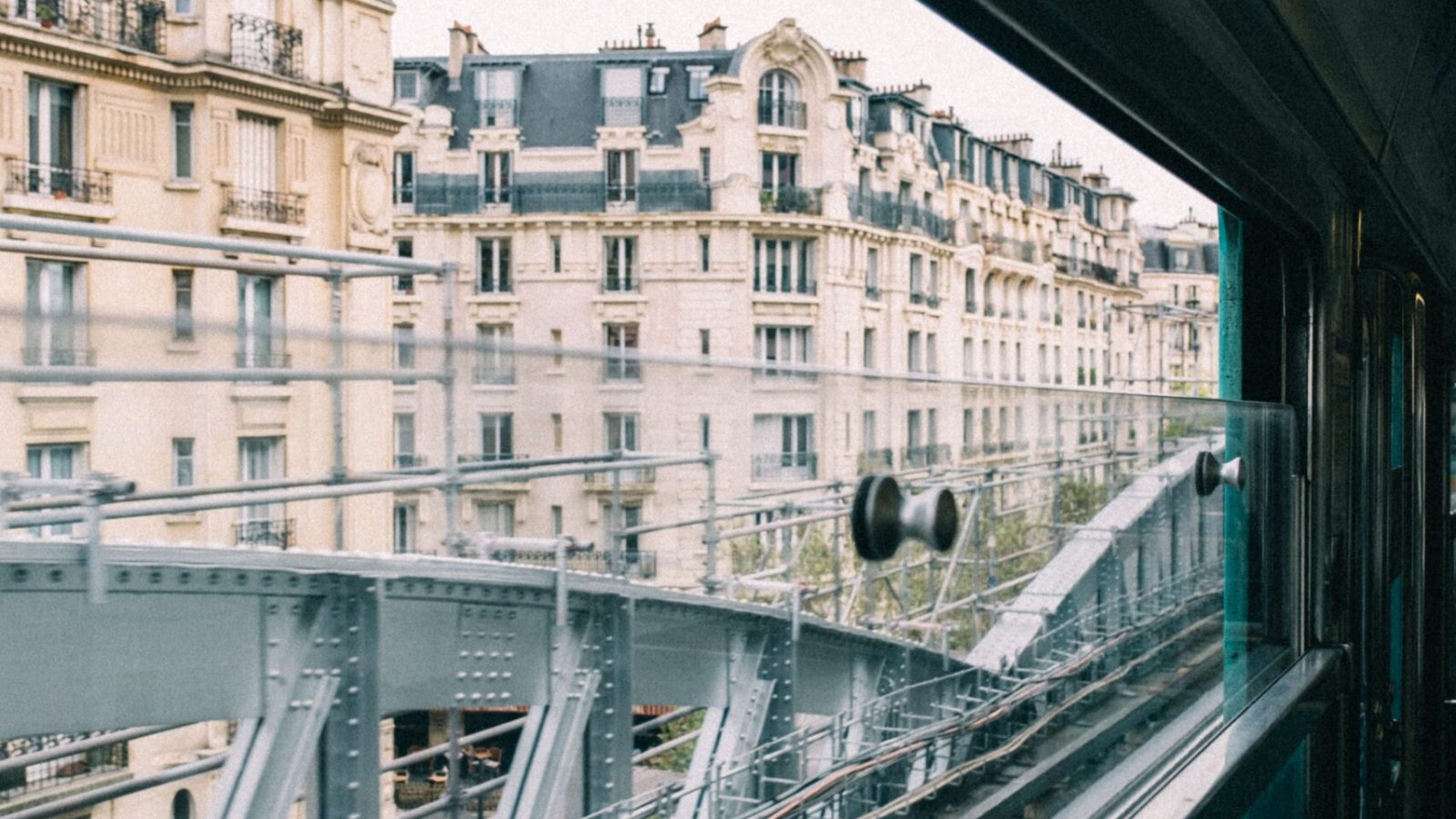
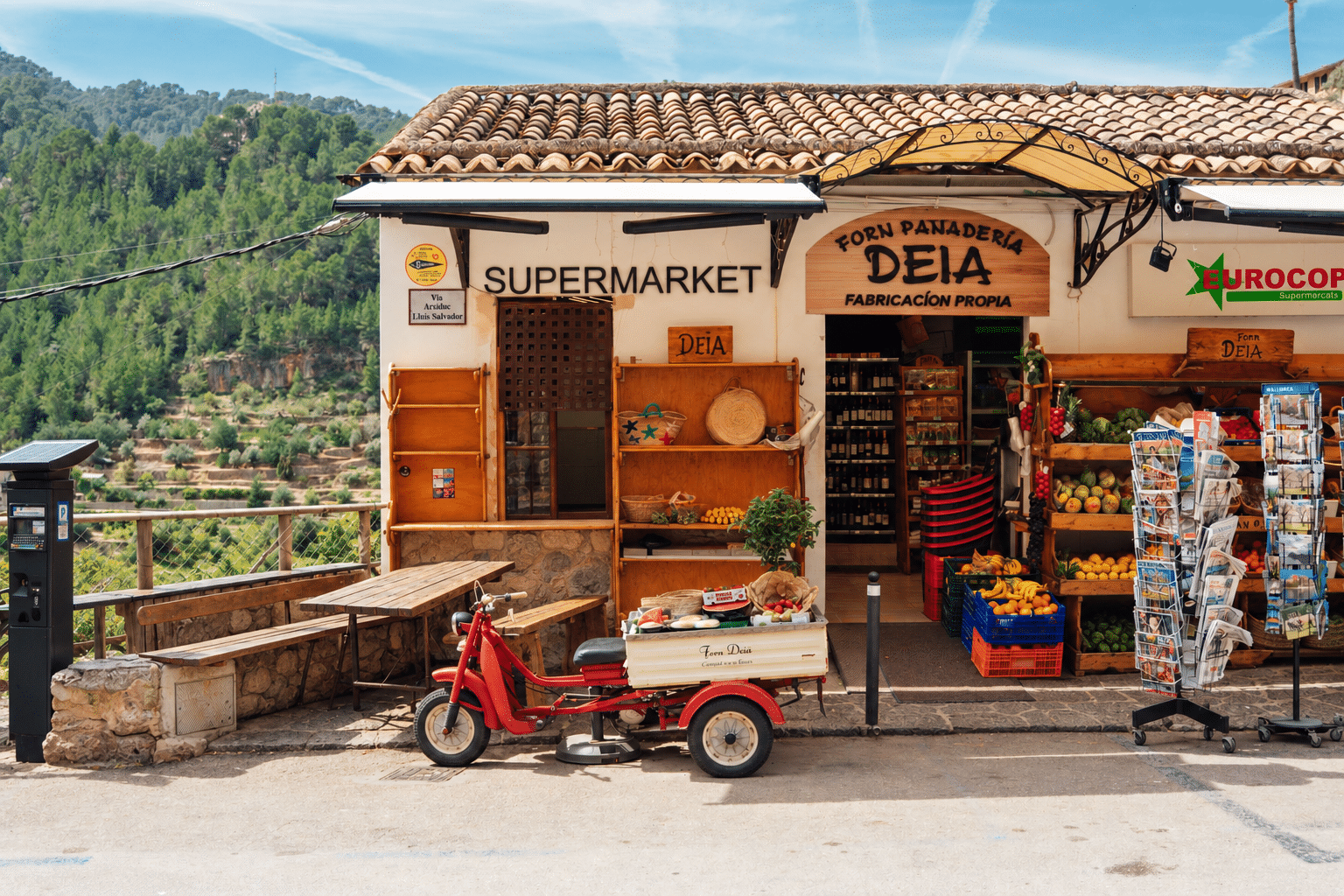
A Paris apartment does not need to apologise for having no pool. A house in the mountains does not need to offer the same outdoor life as Mallorca. A property in a village may trade extensive land for the ability to walk to dinner, while a rural house can justify greater distance by offering space, privacy and a landscape worth staying home for.
Trying to impose the same checklist on all five would make them more alike and, ultimately, less valuable as a collection.
This does not mean compromising on quality. The standard of comfort, materials, interiors and finishing should remain recognisably Liora wherever the home is located. What can change is how that quality is expressed and what the house is expected to contribute.
We are particularly conscious of this when a property lacks one of the features traditionally associated with a holiday home. No swimming pool may be irrelevant if several other homes already provide one. A smaller terrace can be perfectly reasonable in a neighbourhood where the city itself supplies most of the day. Conversely, a beautiful country house that requires driving for every coffee may need to offer enough at home to make that trade worthwhile.
These are not deficiencies to be hidden. They are choices to be understood.
The collection allows us to judge a house for what it does exceptionally well rather than punish it for not doing everything.
That feels closer to the way good places actually work.
The Fifth House Is the Hardest One to Choose
The first home in a collection has enormous freedom. Almost everything is still missing.
The fifth has almost none.
By then, every new possibility sits beside four existing decisions. A property can be beautiful, well located and entirely appropriate for Liora on its own, yet still be the wrong addition because the collection already contains too much of what it offers.
That makes the later choices more demanding.
If the first four homes already provide generous gardens and warm-weather outdoor living, we may need the fifth to introduce density, winter, walkability or culture rather than another landscape property. If the collection already works exceptionally well for couples and short stays, the gap may lie in larger family use. Sometimes the missing quality will be obvious; sometimes we will only recognise it after comparing several very good houses.
This is where curation becomes less romantic than property hunting.
We have to be prepared to leave an exceptional house behind because another one makes the collection more complete. The decision is no longer simply whether we want the property. It is whether we still need what it brings.
There is also a useful reversal at this stage: the fifth house changes how we understand the previous four. A new winter destination can make a summer-led house feel more appropriate. A genuinely urban home can allow a rural property to remain uncompromisingly rural instead of asking it to provide conveniences it was never meant to offer.
The five therefore do not simply sit beside one another.
Each one gives the others more room to be themselves.

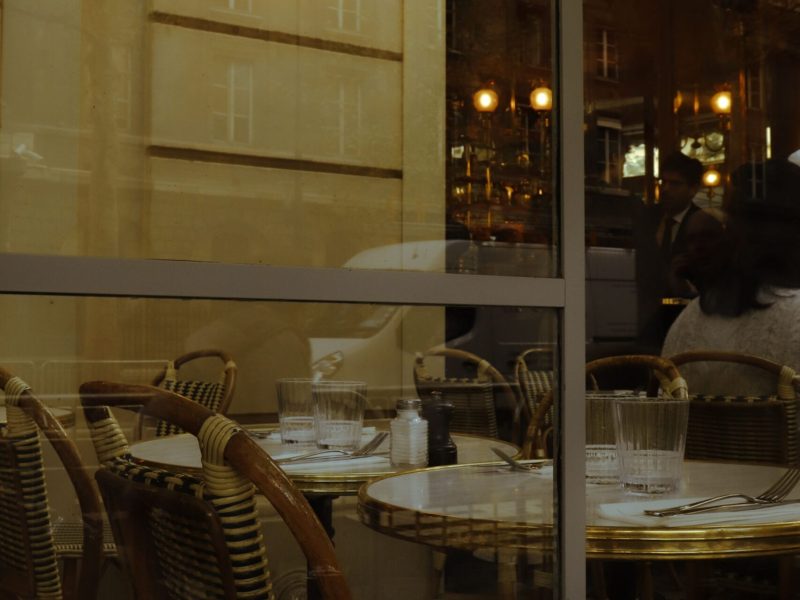
“When the balance is right, the collection should feel larger than five without ever becoming anonymous. “
Familiarity Needs Repetition
One of the reasons we did not want an unlimited network of homes is that choice can eventually work against attachment.
We value the moment when a place stops requiring explanation.
That happens slowly. The first visit is largely discovery. After several returns, attention begins to move elsewhere. We remember how the house works, which route into town we prefer, where to buy bread and which table outside becomes uncomfortable once the afternoon sun moves around the corner.
The region changes too. A place first encountered in summer looks different in November, but it is no longer entirely unfamiliar. The road is known; the landscape is not. That combination of recognition and change is one of the pleasures we want a collection to preserve.
This is also why we do not see repetition as the opposite of travel.
Constant novelty can be exciting, but it asks us to begin again every time. Returning allows relationships with places to deepen. We notice details precisely because we are no longer spending all our attention on orientation.
Five homes leave room for that process.
There is enough choice that returning does not become obligation, but not so much that the homes disappear into a catalogue. Over time, preferences will form. One family may repeatedly gravitate towards a particular house in spring; another may discover that a place initially chosen for summer becomes their favourite in winter.
We do not need those patterns to be designed in advance.
We only need a collection small enough for them to emerge.
Balance Is Felt, Not Counted
It would be possible to turn all of this into a formula.
One city. One mountain. One sea. One countryside. One somewhere-in-between. A certain number of bedrooms here, a swimming pool there, winter allocated to one house and summer to another.
The result might look extremely balanced on a spreadsheet.
We do not think that is the same thing as a balanced collection.
Real balance is more subtle. It appears when there is usually a convincing answer to the question, Where would we like to go now? The answer should change with the season, the people travelling, the amount of time available and sometimes simply with mood.
That is why our selection process remains deliberately open. The regions give us structure, but we do not want them to become boxes. The houses need to differ, but not perform difference for its own sake. Some qualities can overlap because they are worth having more than once; others become less valuable when the collection already has them in abundance.
What should remain constant is the standard. Every home needs architecture, atmosphere, comfort and a setting capable of rewarding return. Beyond that, we want the five to have enough individuality that choosing between them feels meaningful.
When that balance is right, the collection should feel larger than five without ever becoming anonymous.
That, in the end, is why we think in collections rather than properties. We are not trying to own five versions of the same idea in five attractive places. We are trying to create five different ways of living well in Europe, each strong enough on its own and more useful because the other four exist beside it.
For us, that is the geography that matters.

A life in five places
Curated co-ownership of characterful homes across Europe.
STAY CLOSE
The first collections are taking shape. Discover the homes, ownership model and what it means to become a member.
For enquiries: hello@lioravision.com
