
Paris Is Learned One Neighbourhood at a Time
17 september 2026
Paris changes once you stop trying to cross it. A market, a bookshop, a familiar café and a handful of streets can gradually become enough, because the better you know one small part of the city, the less Paris needs to perform for you.
Paris Improves When You Miss Things
The first few times in Paris, the map tends to be ambitious.
Breakfast on the Left Bank, a museum across the river, somewhere in the Marais before dinner, perhaps Montmartre tomorrow. The Métro makes these jumps easy enough, and Paris rewards them generously. There is no shortage of reasons to cross the city.
Returning changes the calculation.
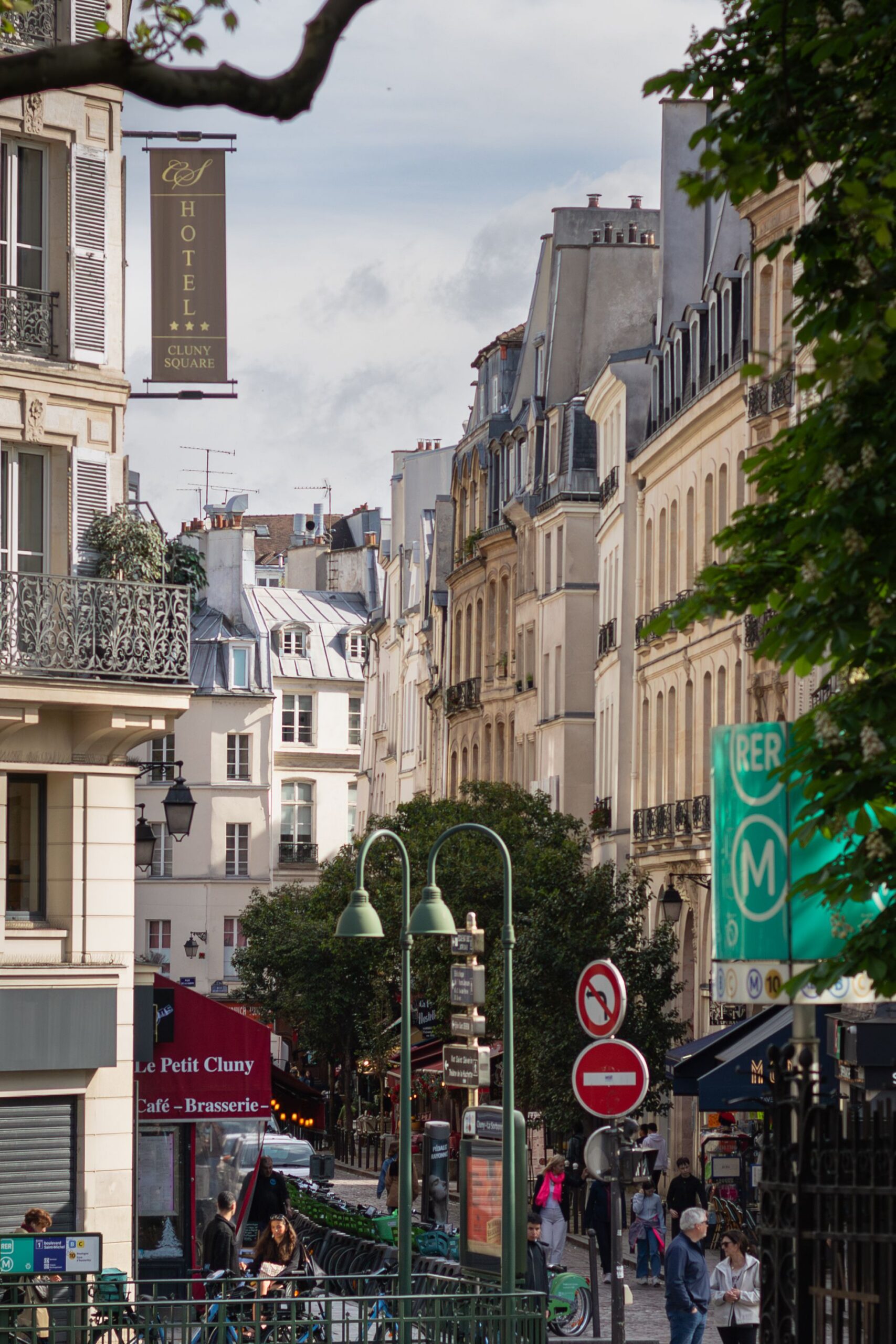
The urgency begins to disappear. Places once treated as destinations become things that can wait until next time, and a morning no longer feels wasted because it has unfolded within six or seven streets. A neighbourhood that once seemed like the area around a hotel begins to acquire its own internal geography: the bakery on one corner, the café that catches sun later than the others, the street that is useful for groceries rather than photographs, the bookshop worth entering without knowing what you want.
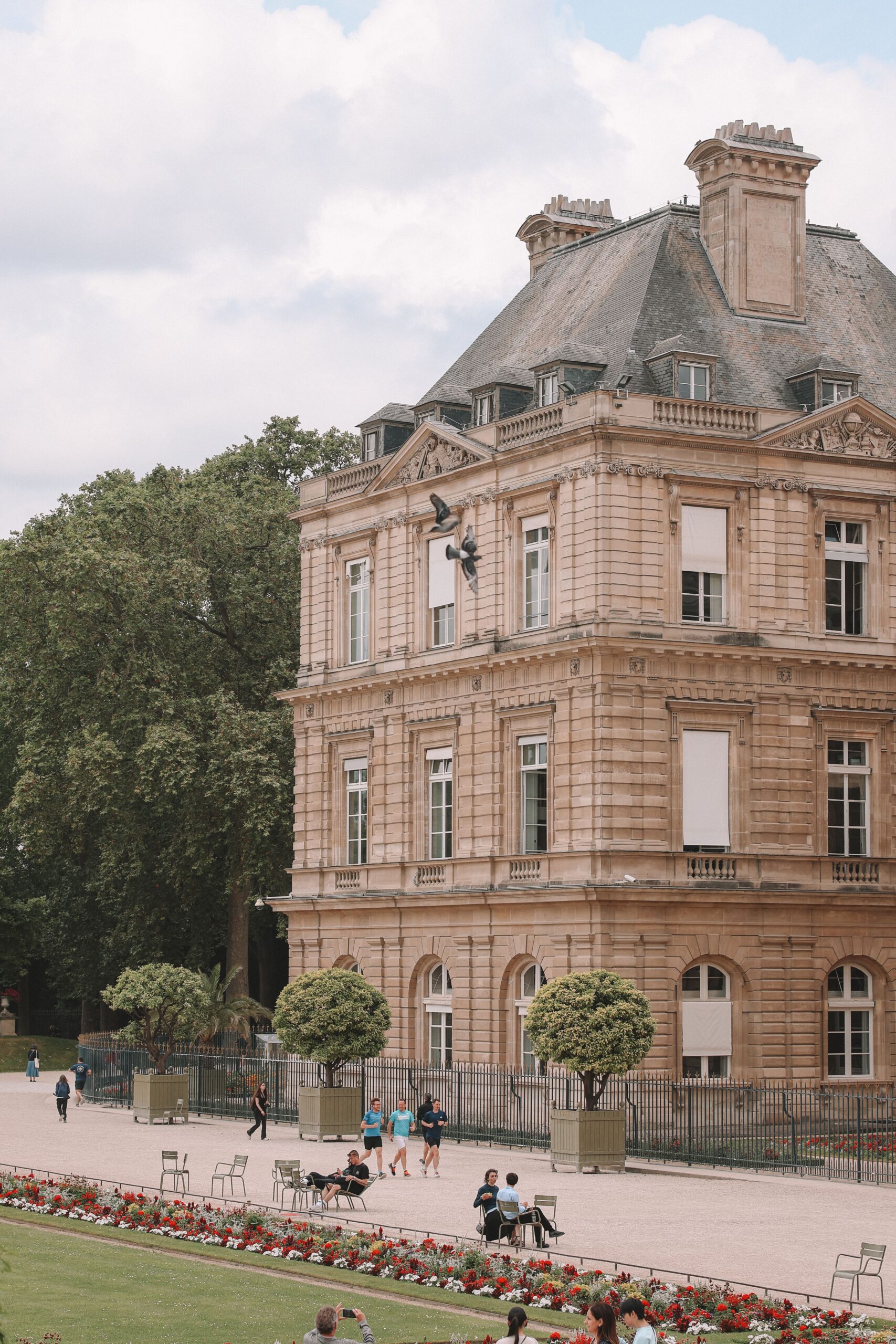
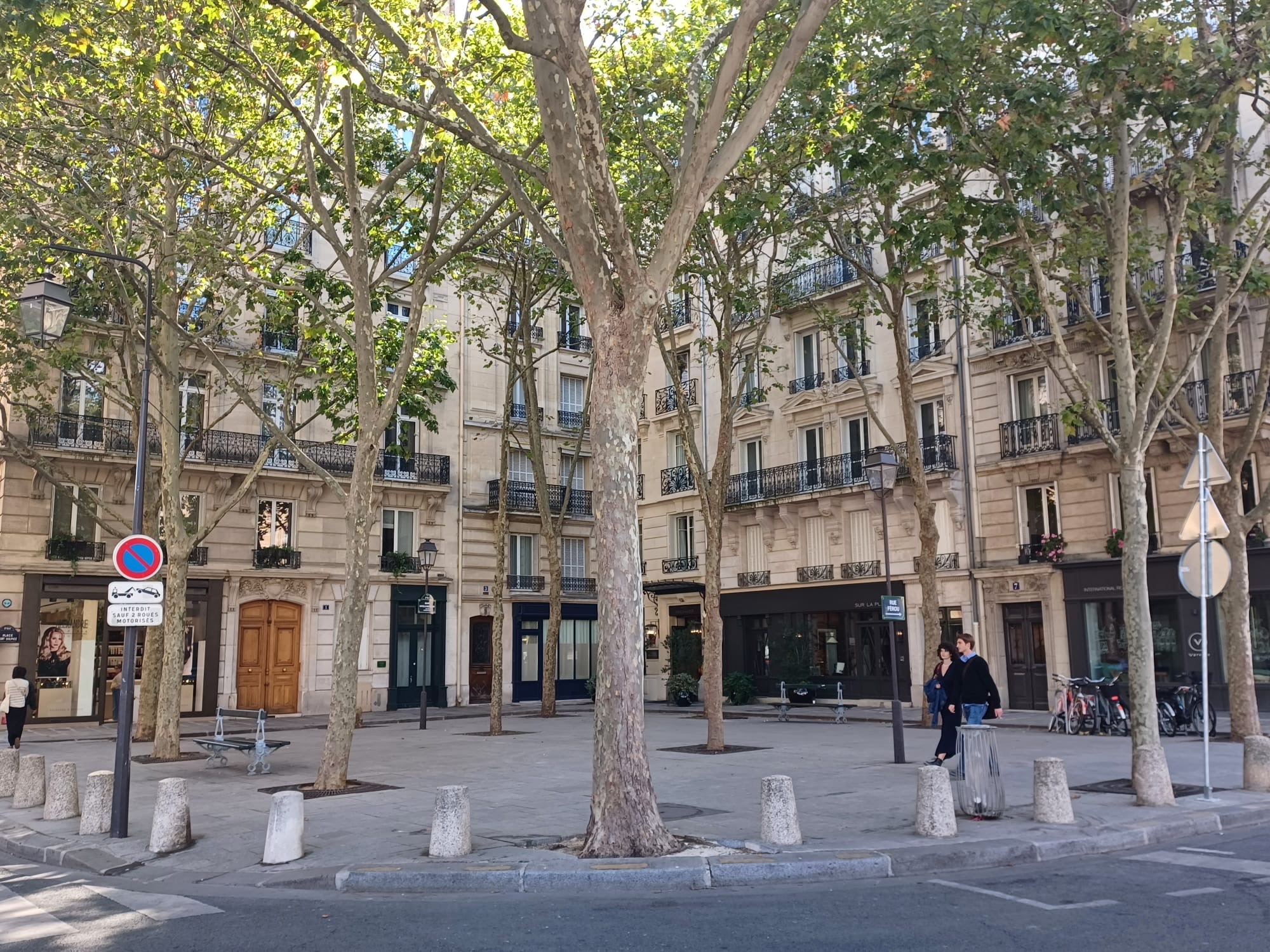
This is particularly easy to understand in the 6th arrondissement. Between Odéon, Saint-Germain-des-Prés, Saint-Sulpice, Saint-Placide, rue du Cherche-Midi and the Luxembourg Gardens, it is perfectly possible to spend most of a day without feeling that you have stayed in one place at all.
The paradox is that Paris does not become less interesting when the radius shrinks. It becomes more detailed.
The city stops being a collection of things to reach and begins becoming a place in which to remain.
The Sixth Refuses a Single Name
An arrondissement sounds more coherent than it actually is.
Paris has twenty of them, each divided administratively into four quartiers, but those official boundaries only partly describe how people experience the city. A few streets can change the shops, population, width of the pavement and rhythm of a day without anyone noticing that an administrative line has been crossed.
The 6th demonstrates this particularly well. Odéon does not feel identical to Saint-Placide. Rue de Buci and rue du Cherche-Midi belong to the same arrondissement without offering the same version of Paris. Saint-Sulpice creates another centre of gravity, while the streets closest to Luxembourg have their own relationship with the garden and with the neighbouring Latin Quarter.
Even rue du Cherche-Midi refuses to behave as one thing. The City itself divides sections of the street between different neighbourhood councils; the administrative precision of Paris is considerably tidier than life on the pavement.
That is why learning Paris through arrondissement numbers only takes you so far. They are useful coordinates, not complete descriptions.
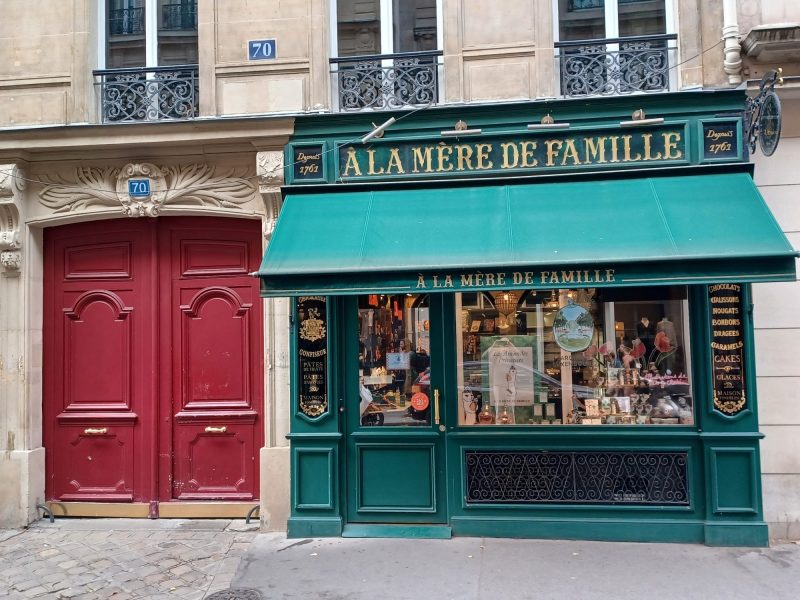
A neighbourhood is made from repeated routes and local gravity. A market pulls people in on particular mornings. A school changes the street twice a day. A restaurant can quietly anchor a corner. A theatre, cinema or bookshop introduces another rhythm after dark.
Paris is administratively precise and experientially porous.
The second is much more interesting.
Raspail Keeps the Week
One of the simplest ways to understand this part of Paris is to be there before lunch.
Morning reveals what a neighbourhood needs from itself.
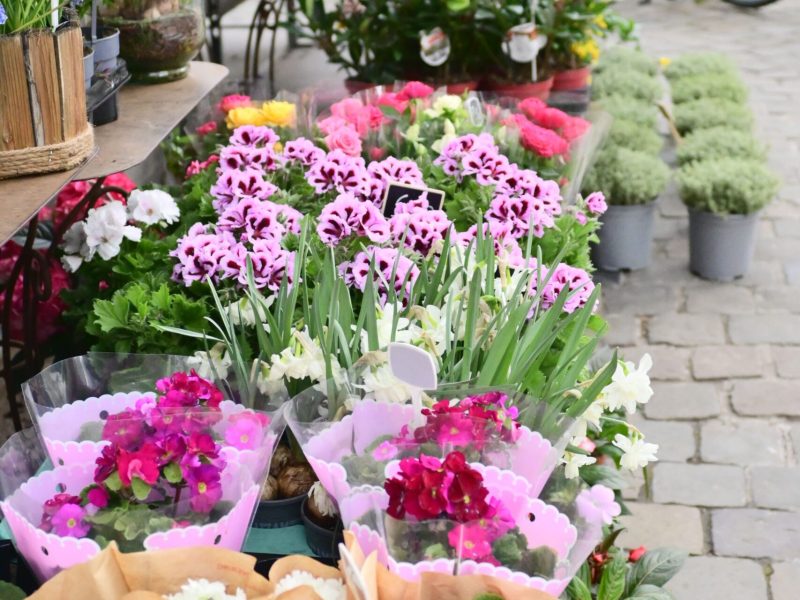
On boulevard Raspail, between rue du Cherche-Midi and rue de Rennes, the market appears on Tuesday and Friday mornings. On Sunday, the same stretch is occupied by the organic Marché biologique Raspail. The stalls are temporary, but their place in the week is not.
Marché Raspail — Ville de Paris
Markets matter here for reasons that have little to do with whether they make an attractive photograph. Shopping trolleys appear. People stop rather than simply pass. Cafés absorb some of the movement. A boulevard that seemed primarily a route the previous afternoon develops a temporary centre of gravity.
A little further north, the covered Marché Saint-Germain offers another version of the same neighbourhood function. The current building dates from 1817, on a site whose trading history reaches back to the medieval Foire Saint-Germain. The City describes it today as a small-scale market where artisans and regular customers still share the arcades.
Marché couvert Saint-Germain — Ville de Paris
The point is not that someone staying nearby should spend every morning buying artisanal vegetables.
It is that a neighbourhood makes more sense once you know where people buy dinner.
Short visits tend to flatten time. Tuesday can look much like Friday when every day has been organised around museums and reservations. Stay longer or return often enough, and the week begins differentiating itself again.
Tuesday is Raspail.
Sunday is too, but differently.
That kind of knowledge seems trivial until a place begins feeling familiar.
“The freedom to miss things is one of the privileges of coming back.”
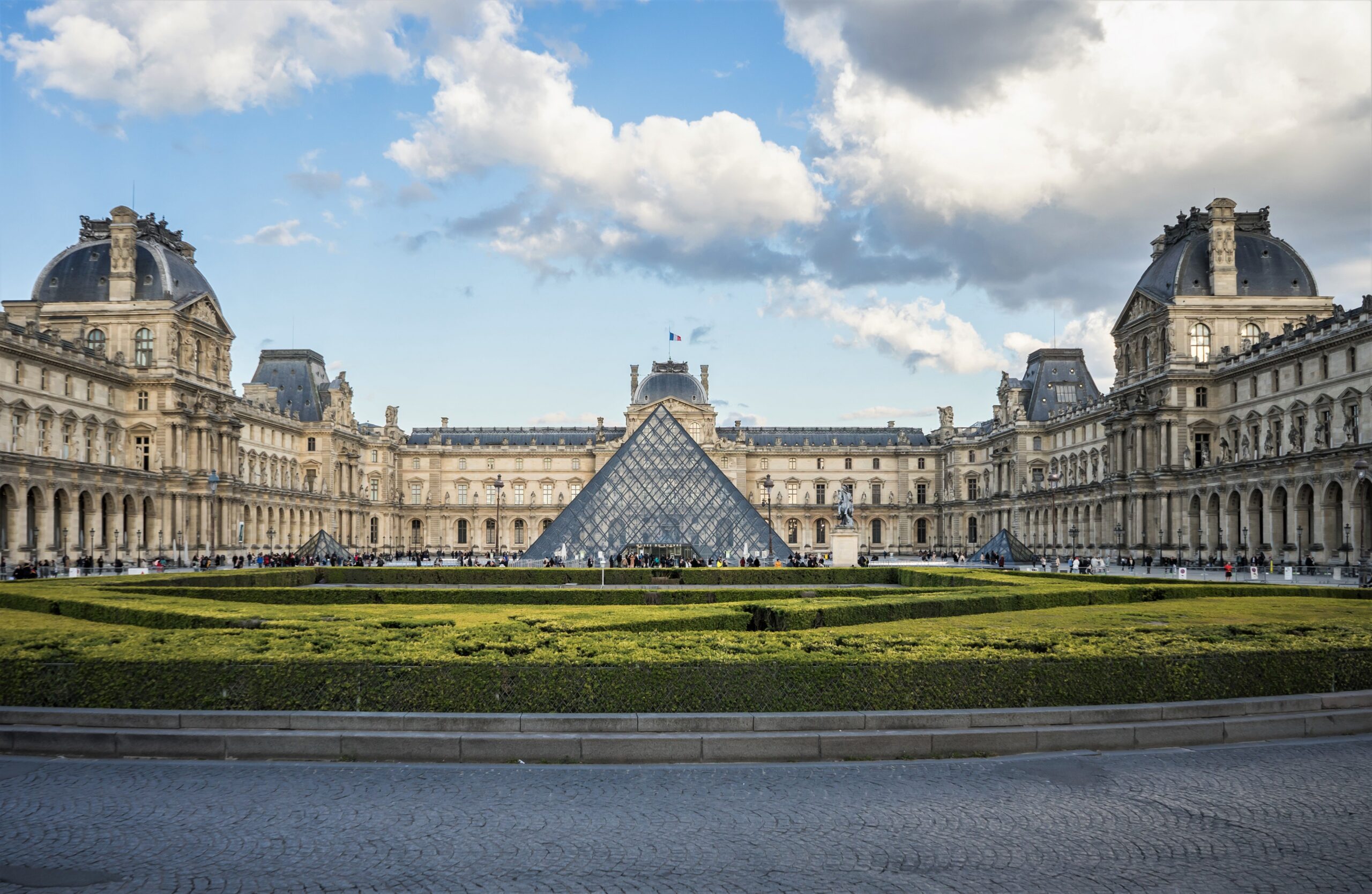
Cherche-Midi, Street of Small Necessities
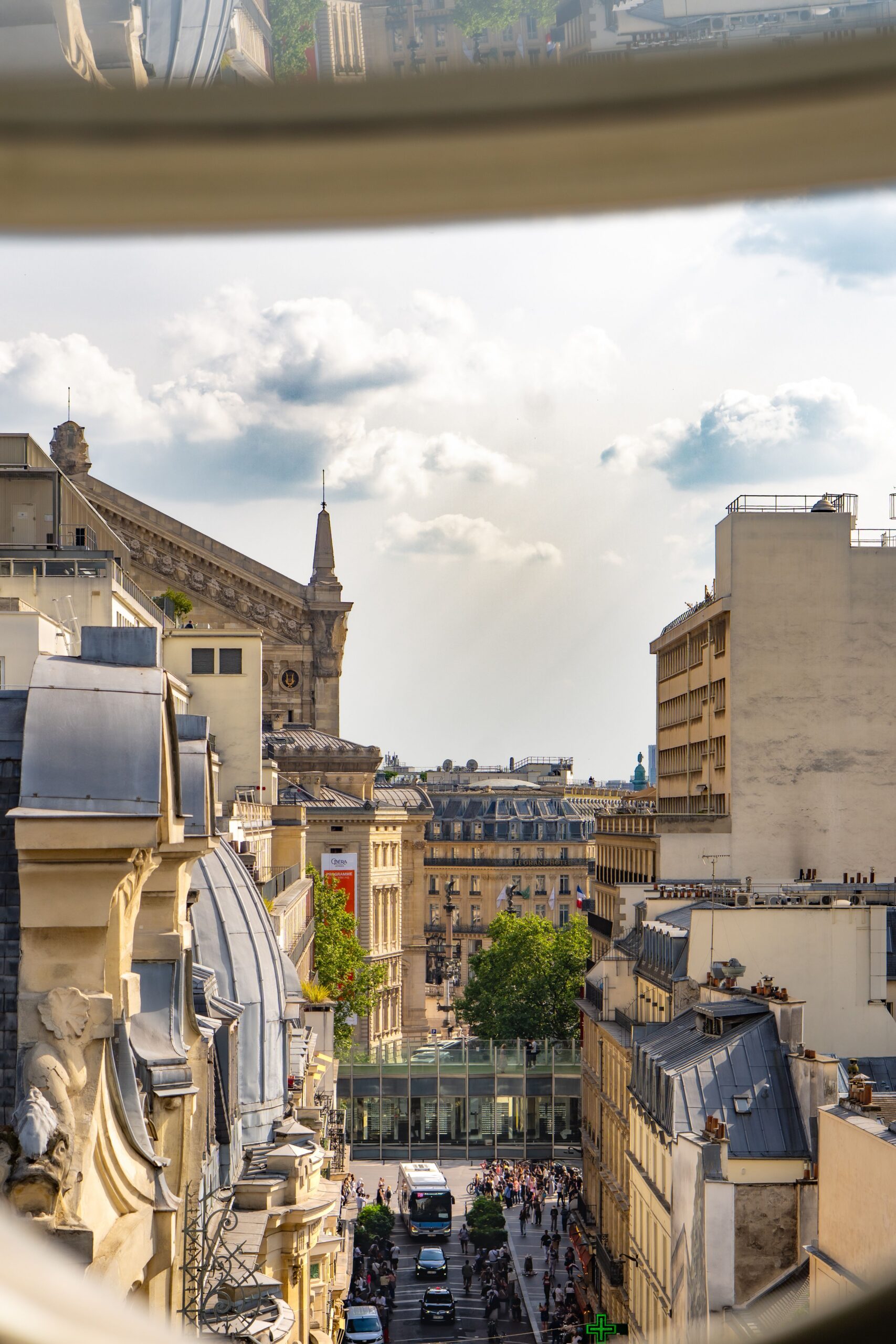
Great cities are often described from a distance: skyline, façade, boulevard, monument.
Daily life happens much lower.
Rue du Cherche-Midi is good at reminding us of that. It is neither one of the grand axes of Paris nor an undiscovered backstreet. It simply does an unusual amount of work.
Food shops, bakeries, cafés, restaurants, furniture and design businesses, clothing, pharmacies and the small necessities of everyday life occupy the same street as handsome façades and occasional hôtels particuliers. At number 43, for instance, there is still a butcher; the 6th arrondissement’s own commercial information has long recorded the concentration of food shops, bakeries and other everyday businesses around Cherche-Midi and Saint-Placide.
That density is part of something larger. Research by the Atelier parisien d’urbanisme found Paris exceptionally well supplied with everyday commerce: its proximity mapping looks specifically at whether residents can reach a bakery, pharmacy and books or newspapers within five minutes on foot.
APUR — everyday shops and the five-minute city
This helps explain something easily mistaken for atmosphere.
Paris feels walkable not simply because many of its streets are beautiful. Walking repeatedly produces a useful result.
You leave for bread and pass a florist. The pharmacy is another hundred metres. A newspaper or book is available on the way back. Lunch does not necessarily require a journey because several possible lunches have already appeared during the errand.
An ordinary street can therefore become more important to daily life than a famous one.
The beauty of Cherche-Midi is not only that there are handsome things to look at. It is that there are reasons to use it again tomorrow.
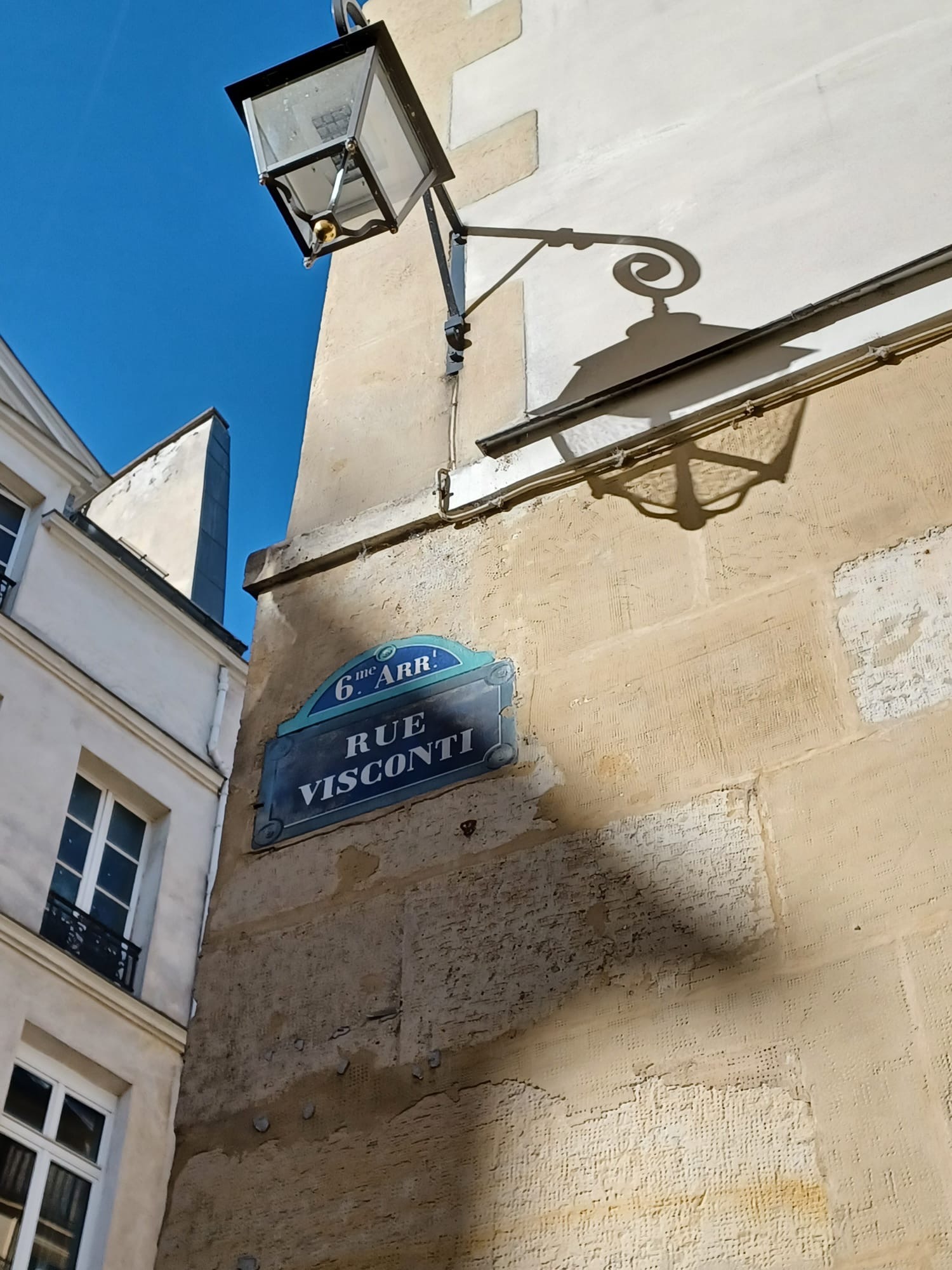
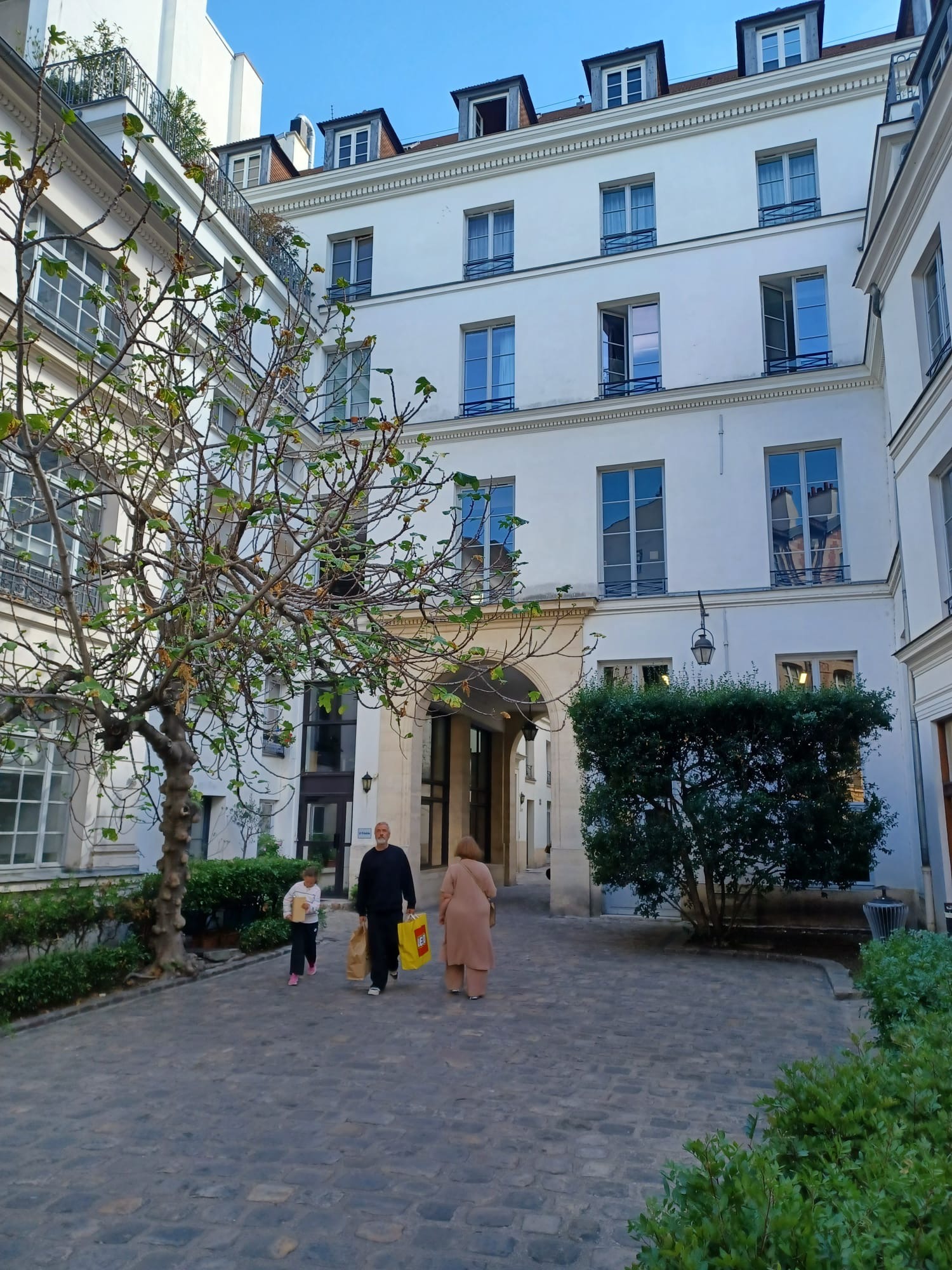
Odéon After the Footnotes
Odéon carries enough cultural history to overwhelm the present.
The theatre, revolutionaries, publishers, writers and cafés make it very easy to turn the neighbourhood into a sequence of famous names. Paris has no shortage of plaques telling you who lived, worked, argued or wrote nearby.
The more interesting question for a returning visitor is what happens after the footnotes.
The City’s own neighbourhood studies describe Odéon and Saint-Germain-des-Prés as intensely commercial and heavily pedestrian, with narrow streets away from the major boulevards and relatively little large-scale green space apart from nearby Luxembourg Gardens. Those characteristics matter more to everyday experience than another literary roll call.
The streets are compact enough for routes to overlap repeatedly. The covered market, cafés, cinemas, bookshops, restaurants and ordinary commerce coexist within a radius that can be crossed several times without consciously retracing your steps.
Cour du Commerce Saint-André preserves a much older street scale only moments from boulevard Saint-Germain. Rue de l’Odéon can carry a disproportionate literary history while still functioning simply as a street. Saint-Sulpice draws visitors towards its church but simultaneously remains a square people cross because they need to get somewhere else.
The distinction is important.
A famous neighbourhood becomes genuinely interesting when it can survive people doing completely unfamous things in it.
Buying food. Waiting for somebody. Going to the cinema. Missing a bus. Sitting outside with no historical purpose whatsoever.
Odéon’s achievement is not that so much happened there.
It is that so much ordinary life still happens afterwards.
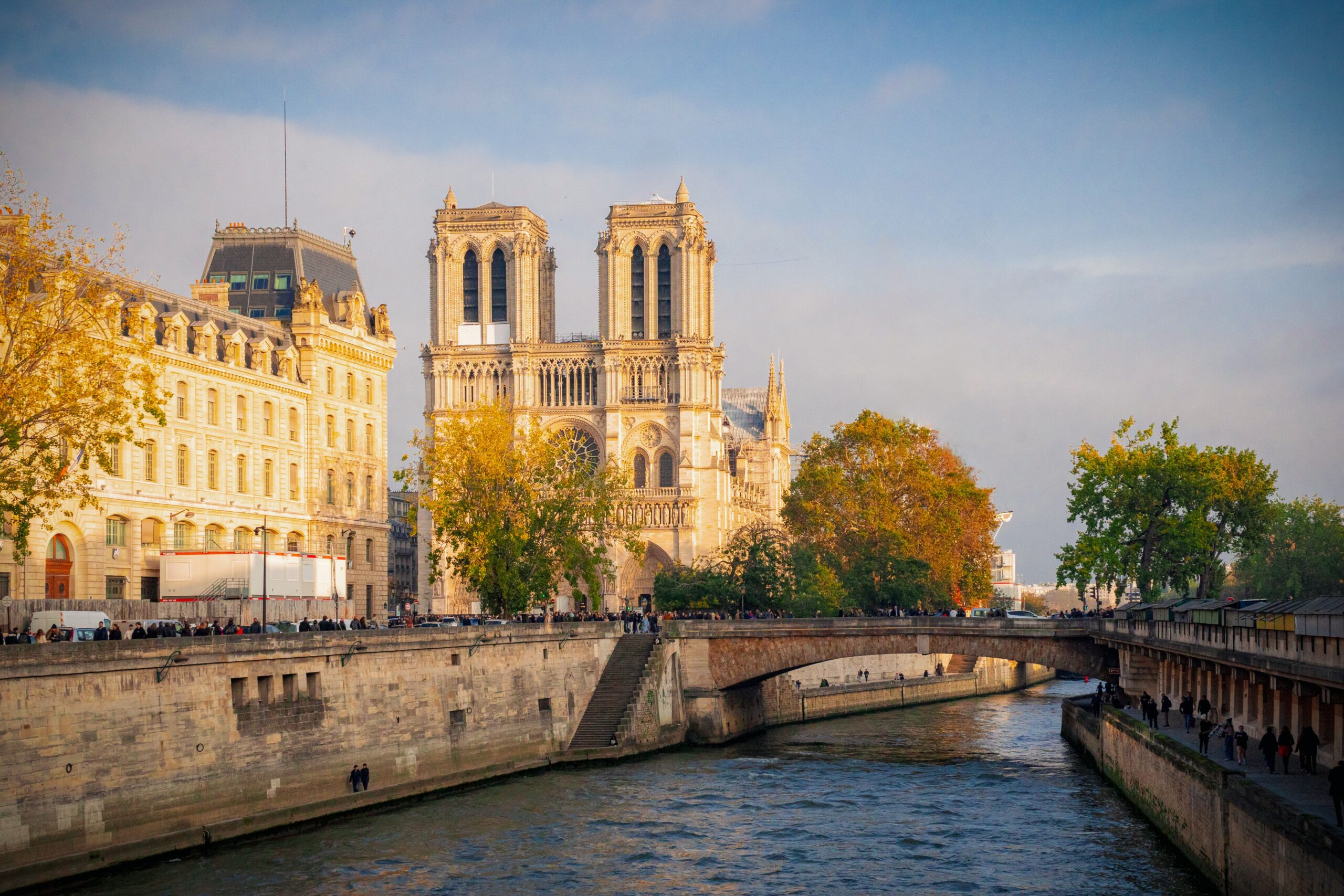
Books Still Have Shopfronts
Saint-Germain’s literary identity risks becoming another form of nostalgia.
There are enough sepia photographs, quotations and stories of writers at café tables to suggest that books somehow belong to a vanished version of the quartier.
They don’t.
The mairie of the 6th still maintains a substantial directory of general, specialist and antiquarian bookshops, alongside publishing houses, and describes the arrondissement as a longstanding district of publishers and the writers with whom they work.
Bookshops of the 6th arrondissement
That distinction matters. A literary past is heritage; a street with functioning bookshops is an ecosystem.
Books remain visible here behind glass, stacked on tables and carried under arms. Along the Seine, bouquinistes extend that presence onto the quays. Elsewhere, specialist bookshops survive because enough people still enter them with a particular question.
Culture also ignores arrondissement boundaries. Walk east from Odéon into the neighbouring 5th and independent cinemas quickly become part of the same daily radius. Le Champo, opened in 1938 at rue des Écoles and rue Champollion, continues to programme repertory cinema, retrospectives and filmmaker encounters.
Le Champo and Paris cinema heritage
This is culture at its most useful: not a grand occasion demanding an entire day, but something close enough to occupy two hours because the weather changed.
A cinema queue changes a corner at seven. A bookshop keeps lights on after nearby businesses close. A poster seen on Tuesday can decide Thursday evening.
Culture need not dominate a neighbourhood to give it texture.
It merely needs to remain within walking distance.
The Table You Stop Choosing
Travel culture has become exceptionally good at ranking things.
Best breakfast. Best croissant. Best new restaurant. Best coffee in Paris.
A neighbourhood works according to a different logic.
Eventually, one of the most useful places is simply the one you no longer have to choose.
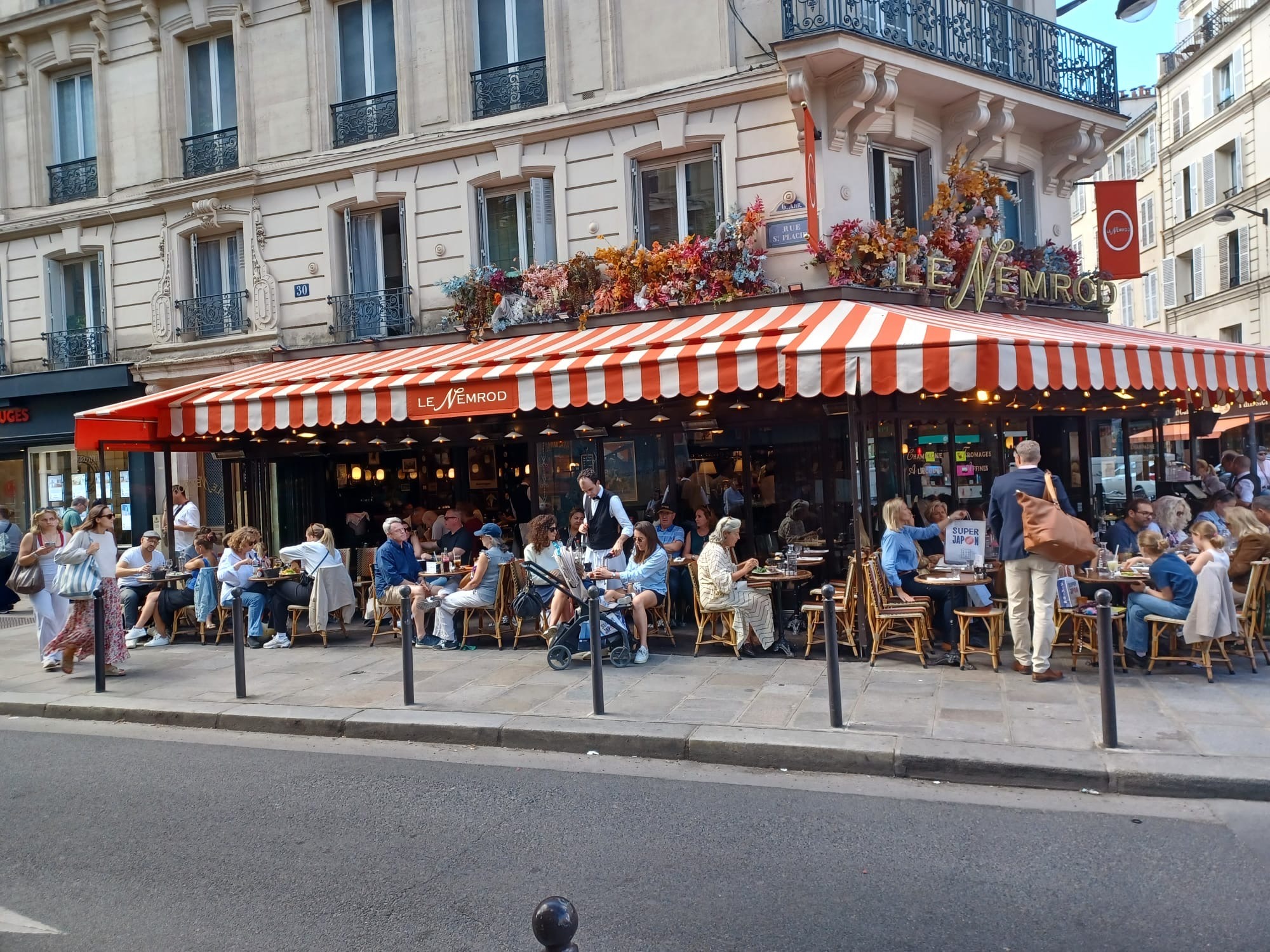
At the corner of rue du Cherche-Midi and rue Saint-Placide, Le Nemrod describes itself without ceremony as a bistrot de quartier. It serves continuously through the day, 364 days a year, and explicitly counts local residents, workers and regulars among the people who use it.
That continuous usefulness is more interesting than any claim that it might be the best bistrot in Paris.
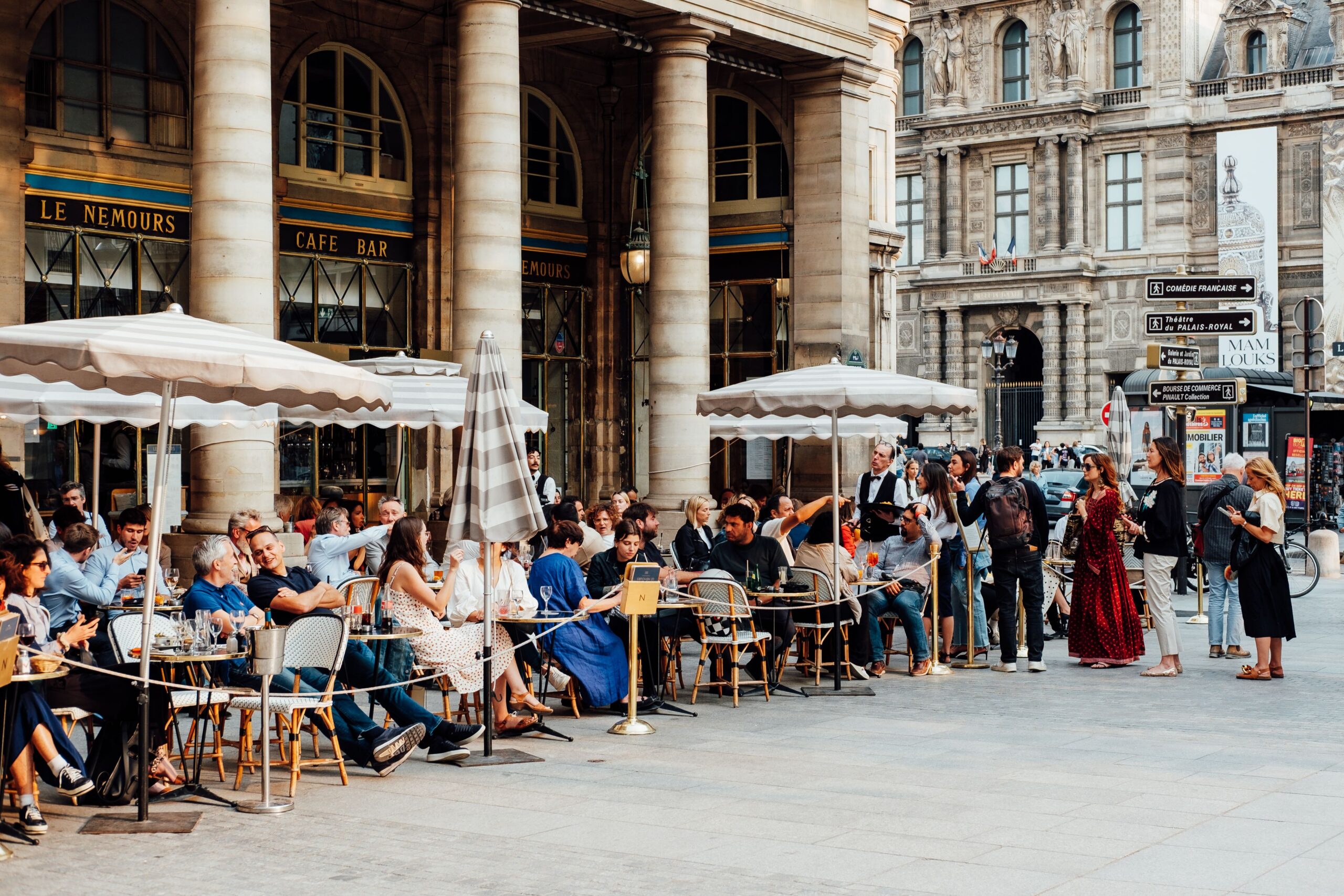
A place like this can absorb different moments without asking what kind of occasion they are. Coffee. Lunch. An aperitif. Dinner. A table because you are early. Another because you are tired of walking.
Returning to the same place can look unimaginative when travel is understood as collecting experiences. In neighbourhood life, repetition does something else. It removes friction.
You begin knowing which table is pleasant, how long the walk home takes and whether another coffee will make you late. None of this belongs in a guidebook because none of it is remarkable enough.
That is precisely its value.
A city starts feeling inhabitable when every decision does not need to be optimised.
The shift from Where should we go? to Shall we go there again? may be one of the quietest ways Paris begins feeling less like a destination.
Use the Garden, Don't Visit It
Jardin du Luxembourg is too famous to be called a neighbourhood secret, which is fortunate because neighbourhood life does not need secrets.
It needs useful places.
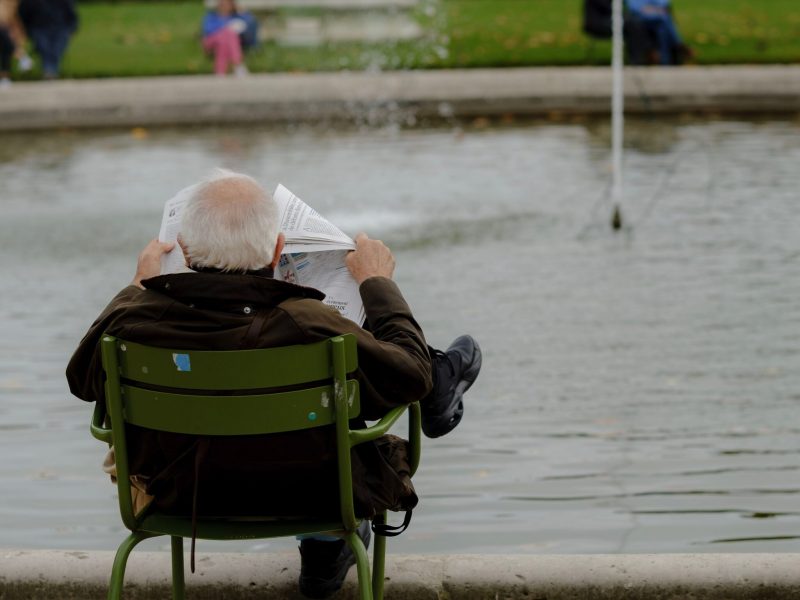
For the streets around Odéon, Saint-Sulpice, rue d’Assas and the northern part of the 6th, Luxembourg performs a role quite different from its place on a visitor’s itinerary. It is somewhere to cross, read, meet, walk, wait, let children expend energy or simply choose because the route through it is preferable to the route around it.
This is what repetition does to prestigious spaces.
It makes them practical.
On a first visit, a garden may be somewhere to see. Later, the gate nearest where you are going becomes more relevant than the formal plan. One bench proves better in afternoon light. A particular path gets chosen because it is shaded. The garden ceases requiring a reason.
There is something revealing in that loss of ceremony.
The beauty of a public garden is not diminished when it becomes useful. Use gives it another layer.
The same thing happens throughout a familiar neighbourhood. The square initially admired for its proportions becomes the quickest way home. A beautiful street gets chosen because the pharmacy is there. Architecture is no longer consumed entirely as scenery.
Familiarity gradually rearranges the hierarchy of a city.
Prestigious spaces become practical.
Ordinary corners acquire affection.
That is when a neighbourhood begins editing Paris on your behalf.
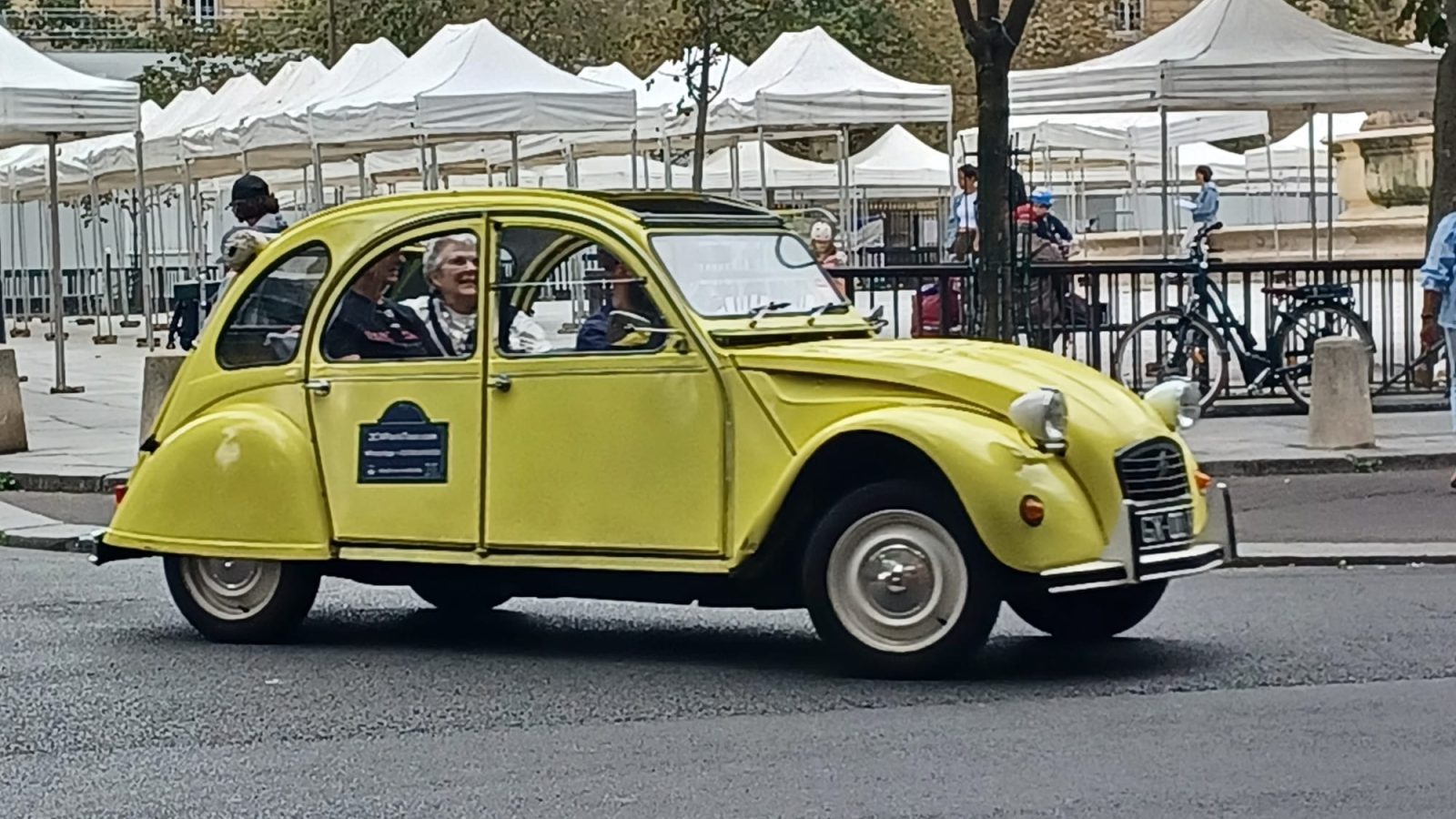
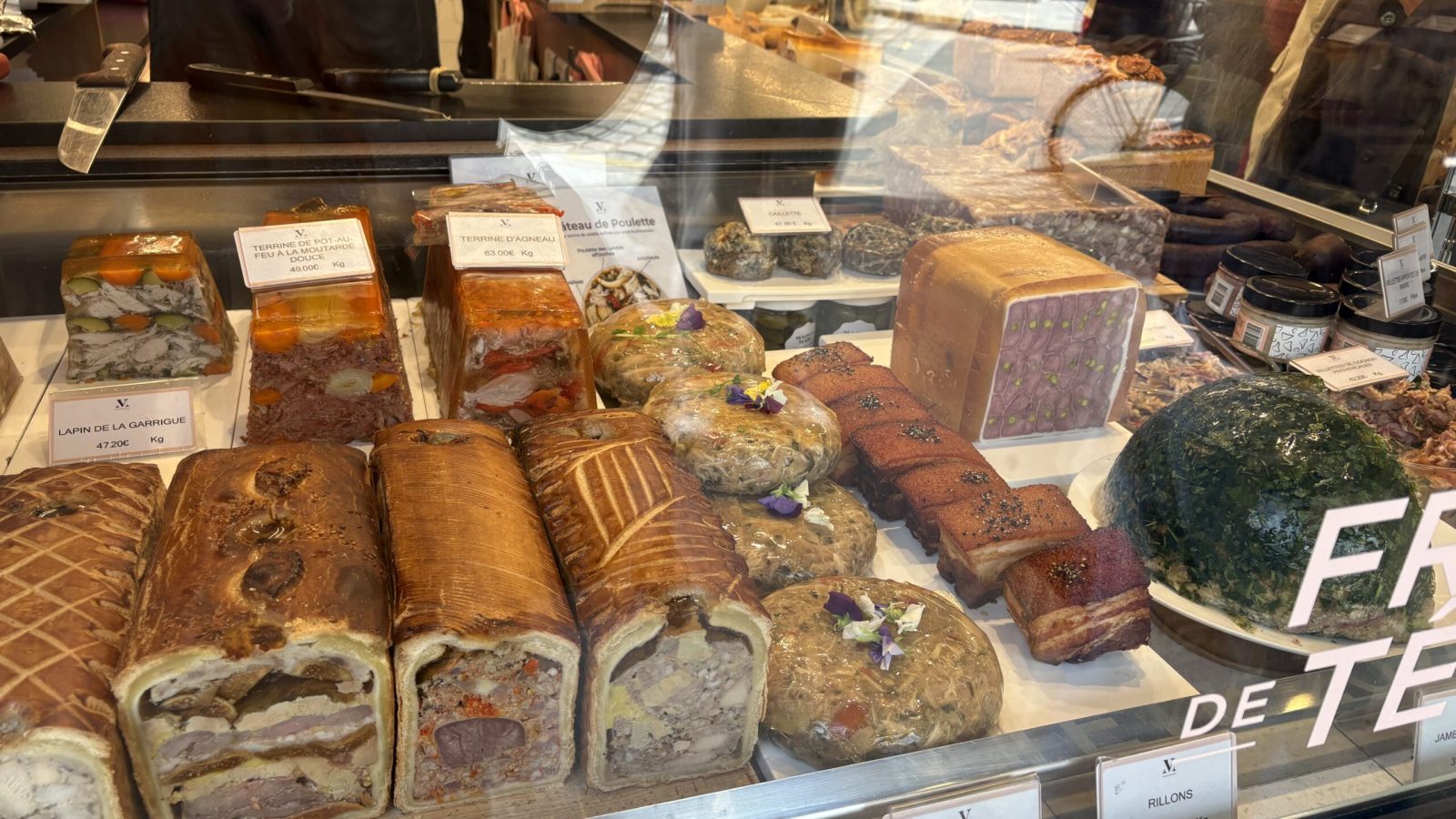
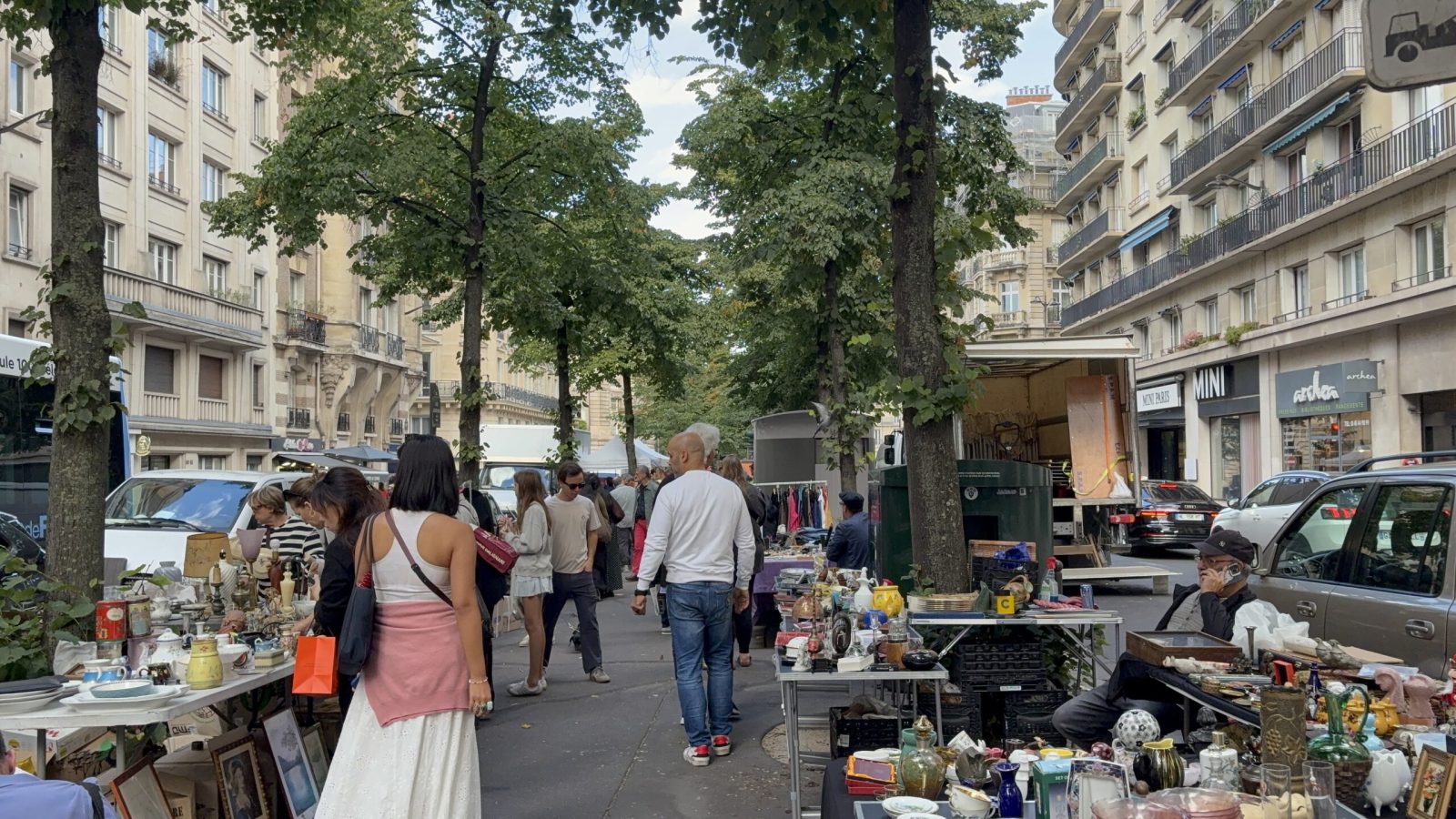
“A famous neighbourhood becomes genuinely interesting when it can survive people doing completely unfamous things in it. “
Paris Changes at Four
A neighbourhood should never be judged at only one time of day.
The street photographed beautifully at ten in the morning may become a delivery route before lunch, a school route in late afternoon and a restaurant street at night. Chairs migrate onto pavements. Shop shutters alter the façades. The architecture remains largely fixed while the audience repeatedly changes.
The 6th is especially good at these shifts because its uses overlap so densely.
Market customers mix with office workers and residents in the morning. Lunch briefly fills streets that become calmer again afterwards. Schoolchildren and students alter the pavements later in the day. Towards evening, the neighbourhood’s cultural and restaurant life starts drawing people in from elsewhere.
A few streets east, the Latin Quarter adds another layer through its concentration of universities and independent cinemas. The border between 5th and 6th is administratively clear but practically irrelevant to someone walking from Odéon towards rue Champollion.
This is why the best neighbourhoods do not necessarily need to be quiet.
Quiet can be pleasant, but it can also be manufactured.
Life is harder to fake.
A street capable of changing character several times a day without losing itself is often more interesting than one preserved in a single perfect mood.
Someone arriving only for dinner meets one neighbourhood.
Someone staying nearby learns the others.
Let the Right Bank Wait
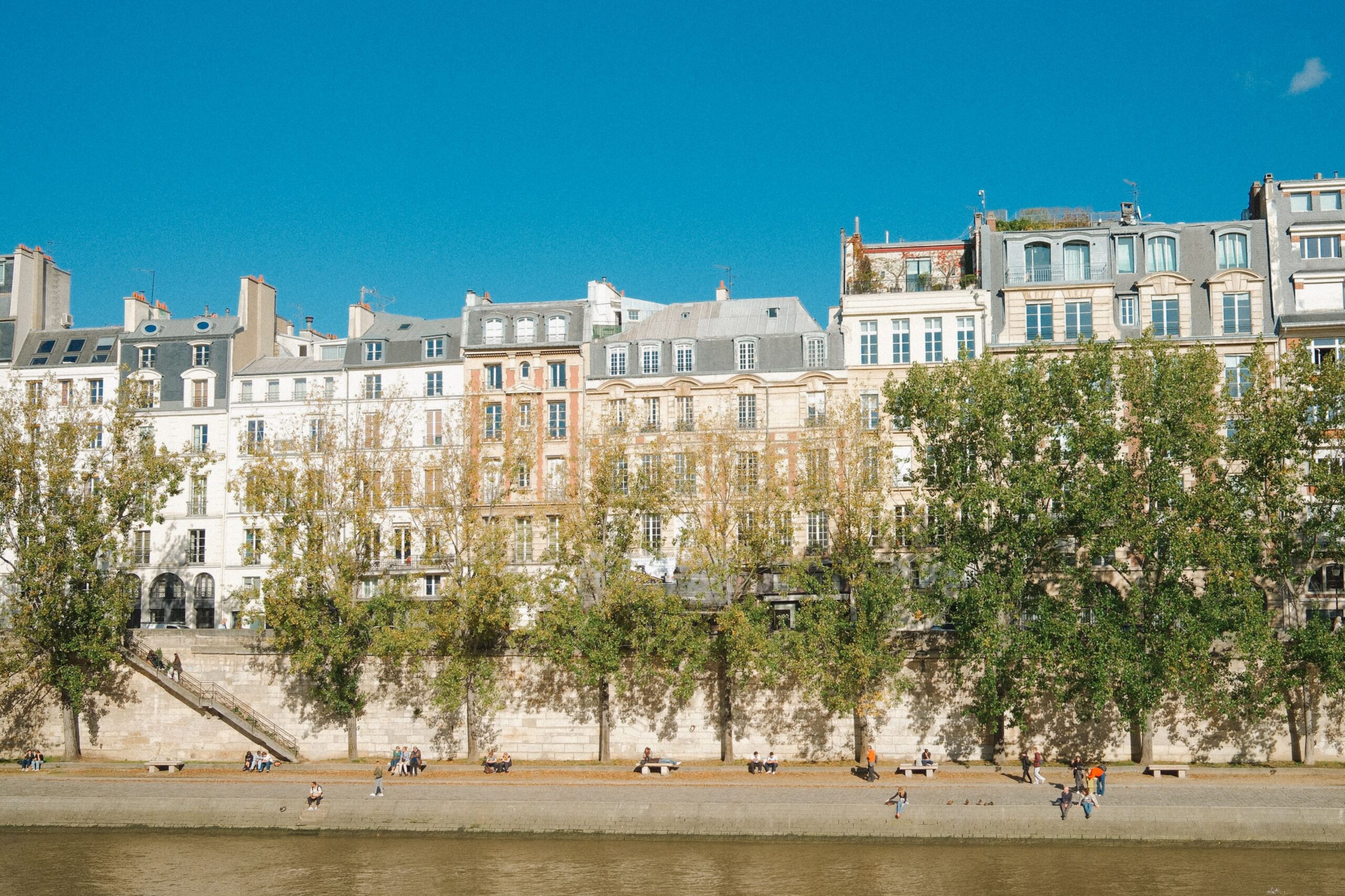
Paris rewards movement so lavishly that remaining on one side of the river can feel almost perverse.
Something important is always happening elsewhere.
Yet there is value in occasionally deciding that elsewhere can wait.
A day within the 6th is hardly deprivation. Raspail in the morning, Cherche-Midi, Saint-Placide, Luxembourg, Saint-Sulpice, Odéon, Saint-Germain. Markets, books, cinemas, food and enough café tables to lose all sense of urgency fit within an area where many journeys are easier on foot than underground.
More importantly, staying in the neighbourhood changes how the streets are perceived.
When there is no pressure to cover ground, streets cease functioning primarily as connectors. You begin noticing which route is better in rain, which side of the street receives late sun, where the pavement becomes awkward, where the useful parallel street is hiding.
A corner becomes a meeting place without anybody declaring it one.
The route itself acquires memory.
This is particularly liberating once you know you will return. Notre-Dame does not disappear because you do not see it today. The Marais will survive until another weekend. Montmartre is capable of waiting.
The freedom to miss things is one of the privileges of coming back.
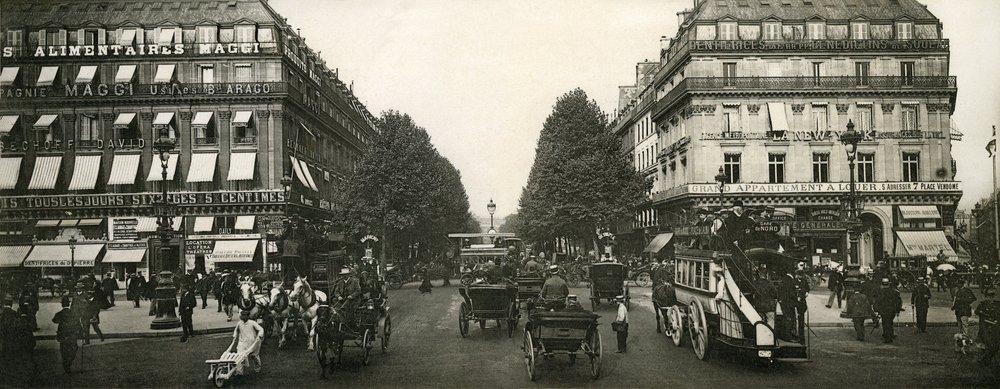
The Map Starts Remembering for You
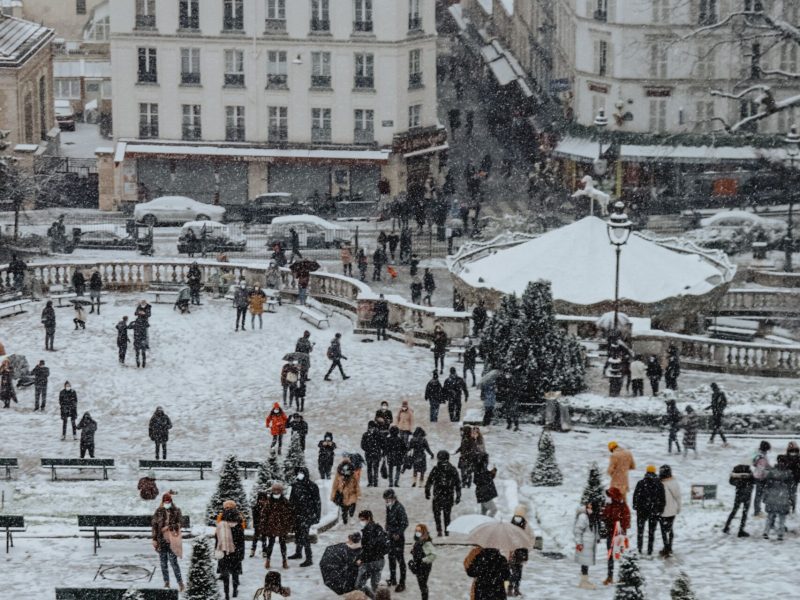
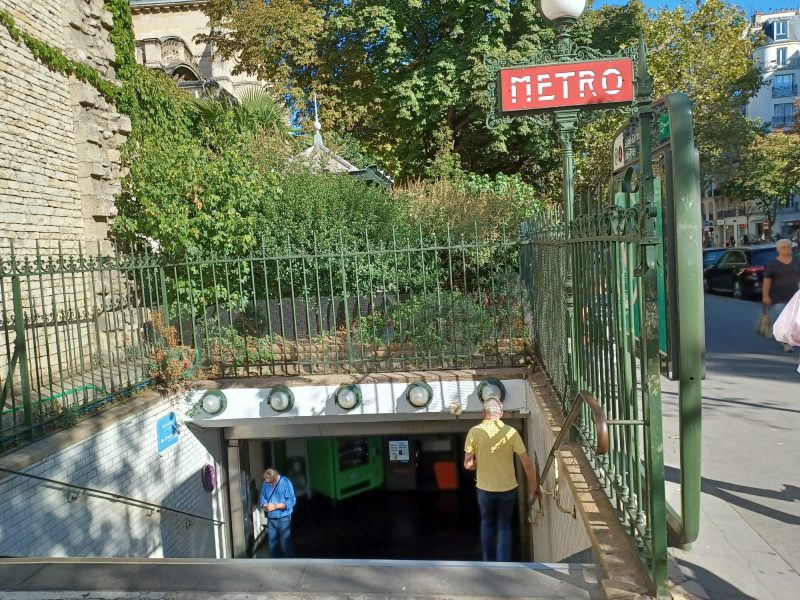
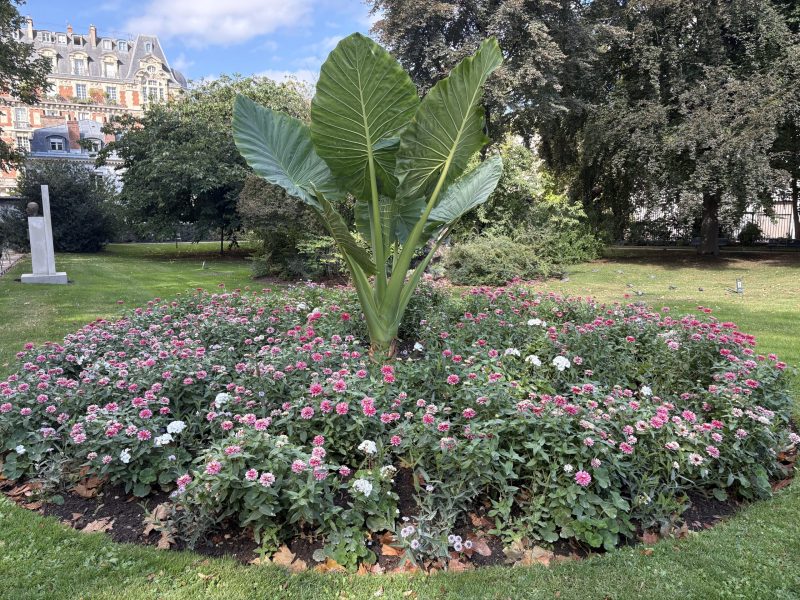
On a first visit, the Paris map expands.
Every recommendation adds another pin.
Returning eventually produces the opposite effect.
You no longer mark the bakery because you know where it is. You stop checking how to reach the market. Rue de Rennes becomes orientation rather than destination. Saint-Sulpice tells you which direction you are walking. The distance between Luxembourg and Cherche-Midi is no longer measured in minutes because your feet already understand it.
What remains is not a smaller experience of Paris.
It is a denser one.
The same façades are seen in different weather. A restaurant overlooked on one visit becomes useful on another. A shop closes. Something new appears. You remember where afternoon sun falls because you once sat there in September.
This kind of knowledge cannot easily be accelerated.
It comes through repetition.
The tourist’s advantage is range: Paris allows an extraordinary amount to be seen in a few days.
The returner’s advantage is depth.
Neither needs to defeat the other.
But they produce different relationships with the city.
Eventually, the map is no longer explaining Paris to you.
It is confirming what you already know.
Enough Paris for One Day
The 6th cannot explain Paris.
Nor should it.
Odéon cannot stand in for Belleville. Saint-Germain says little about the 19th. Cherche-Midi cannot tell you what daily life feels like in Batignolles, the 15th or around Canal Saint-Martin.
Paris is too large, socially and historically, to be reduced to the intimacy of a handful of Left Bank streets.
But perhaps that is precisely why beginning with a neighbourhood works.
The whole city does not need to reveal itself at once.
One neighbourhood gives the eye somewhere to settle. Another visit can belong somewhere else. Over time, several small Parises can accumulate, each with its own morning light, market day, route through a garden and places that no longer require research.
Eventually Paris becomes less a sequence of monuments than a sequence of movements.
Down Cherche-Midi. Across Raspail. Through Luxembourg rather than around it. A bookshop before lunch. Nemrod because there is no reason to invent somewhere else. Odéon later, perhaps cinema if the weather turns.
None of that qualifies as knowing Paris in the grand sense.
Perhaps nobody really does.
It is something more useful: knowing how to have a day there.
And once Paris gives you that, the need to see everything begins to disappear.

A life in five places
Curated co-ownership of characterful homes across Europe.
STAY CLOSE
The first collections are taking shape. Discover the homes, ownership model and what it means to become a member.
For enquiries: hello@lioravision.com
© 2026 Liora Vision · Legal Notice · Privacy Policy · Terms · Cookies
