
30 augustus 2026
Long before Cannes became synonymous with summer, beaches and cinema, its modern identity was taking shape in another season. The villas climbed the hills because of winter. The gardens were planted for winter. The Croisette developed for people who arrived as autumn ended and stayed until spring. To understand Cannes today, it helps to begin with the season the city has almost taught us to forget.
Cannes has become exceptionally good at projecting one version of itself.
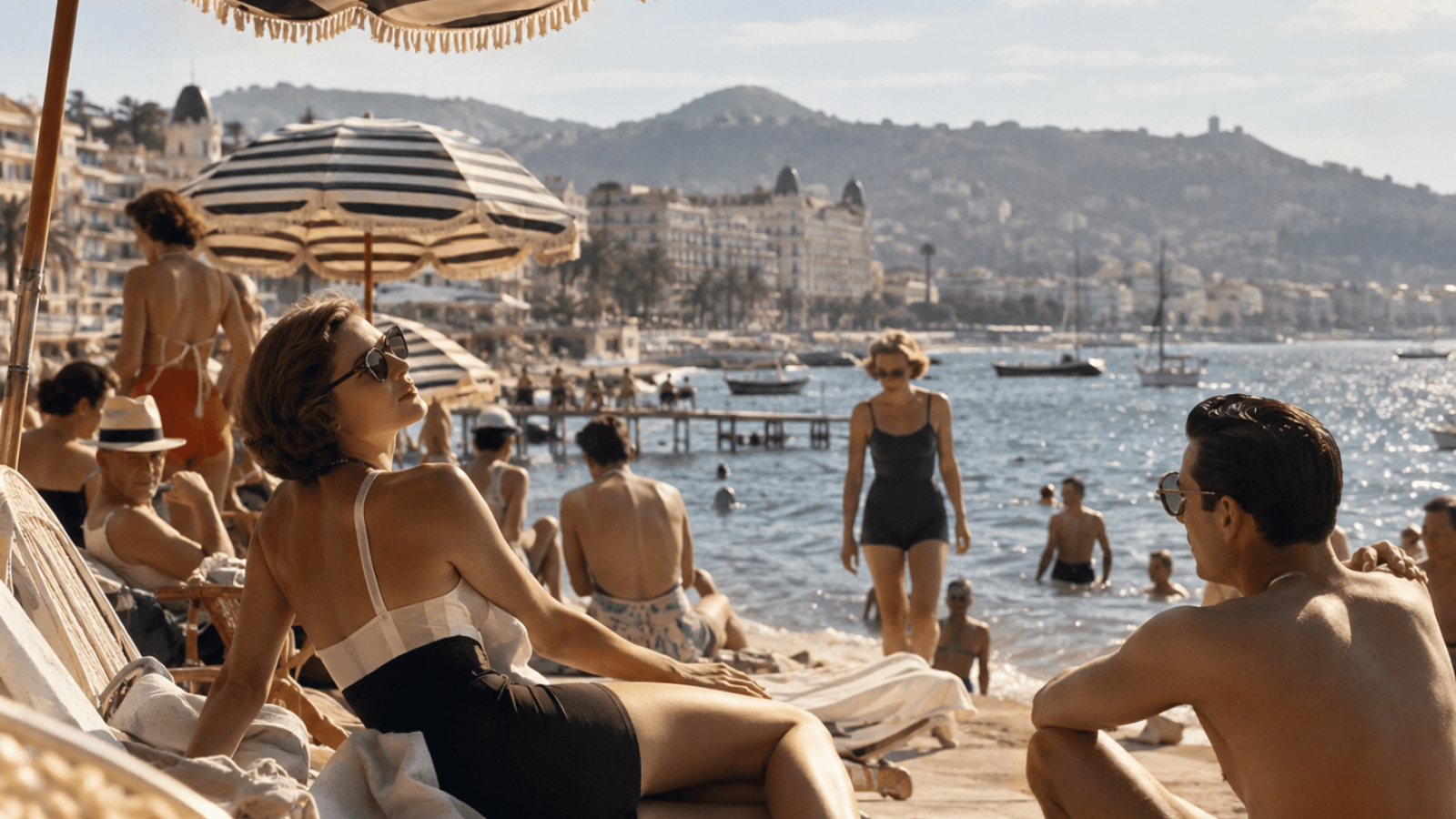
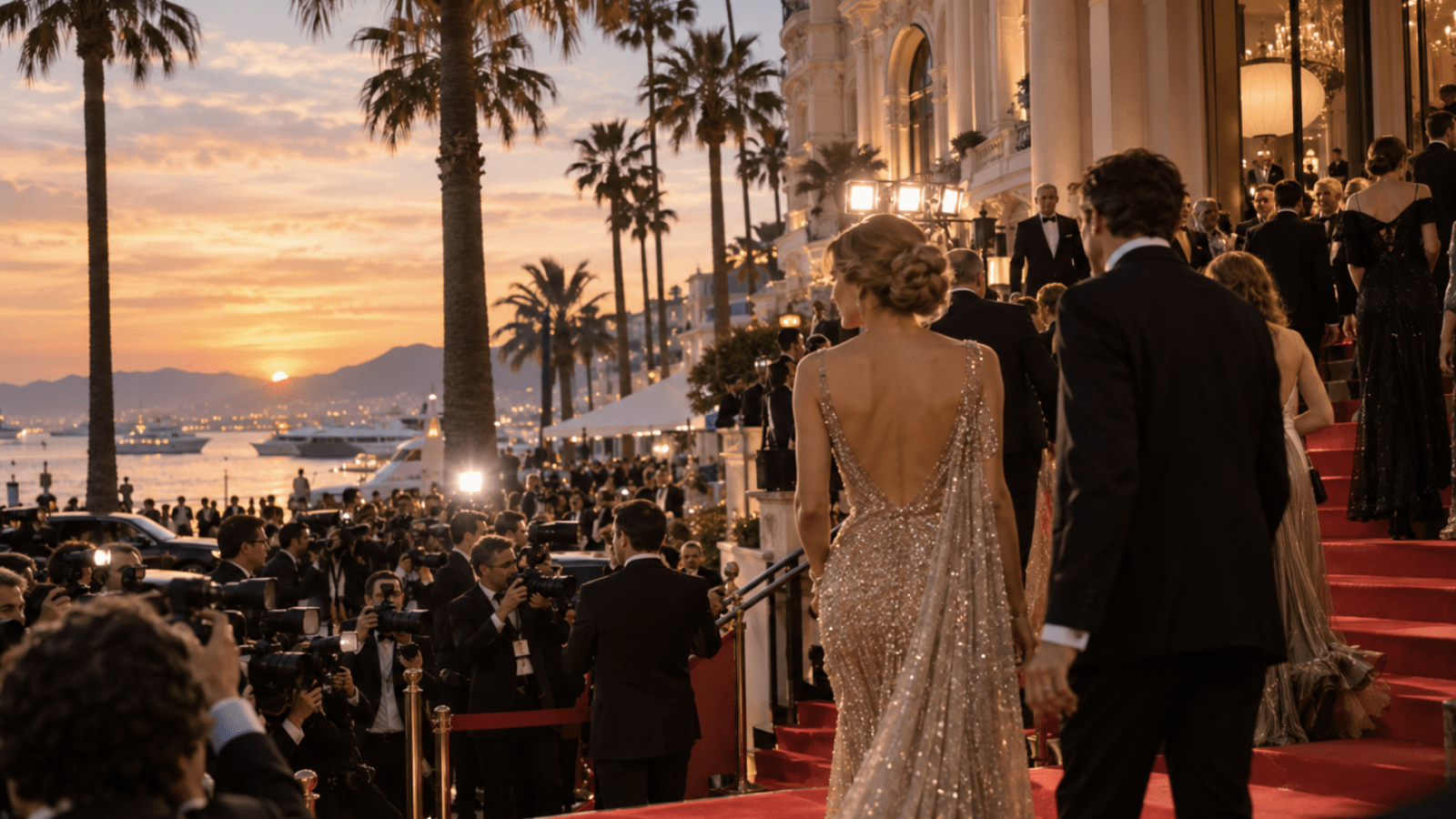
The Croisette in May, lined with photographers and temporary structures for the Film Festival. The beach in July, arranged in rows of parasols. Boats in the bay, white awnings, long lunches and the Mediterranean as the centre of the day.
Yet much of the Cannes that made those images possible was shaped in almost the opposite season.
The city that expanded beyond Le Suquet, acquired its great villas and gardens, climbed the surrounding hills and turned its shoreline into a promenade developed in large part because wealthy northern Europeans wanted somewhere to spend winter.
Not a winter weekend. A season.
For much of the nineteenth century, the fashionable stay on the Riviera ran from autumn until spring. Mediterranean heat was not yet the main attraction. What visitors sought was a gentler winter: more light, a softer climate and the possibility of spending more of the day outdoors.
Cannes did not simply benefit from that habit.
It was transformed by it.
The conventional turning point came in the 1830s.
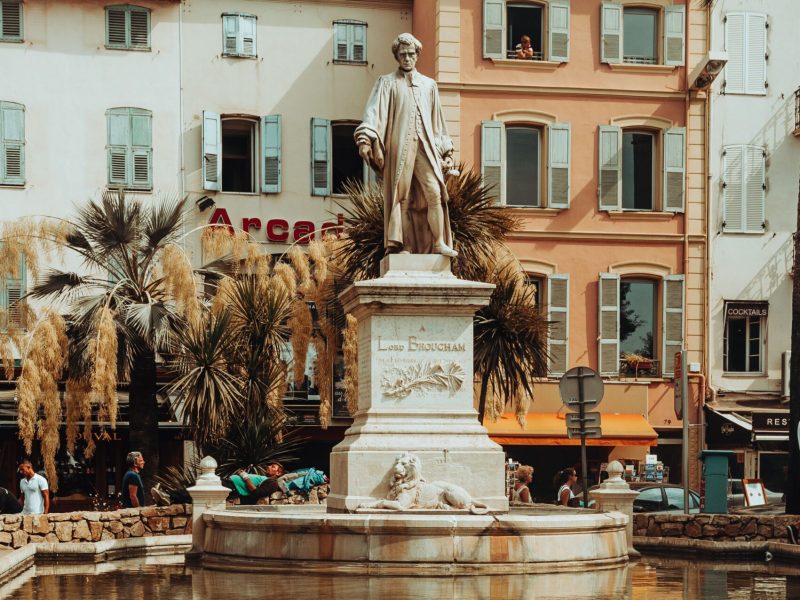
Henry Brougham, former Lord Chancellor of Great Britain, was travelling towards Italy when an outbreak of cholera disrupted his journey. He stopped in Cannes, then still a relatively modest Mediterranean town gathered around Le Suquet and its port.
He stayed.
More importantly, he returned.
Brougham built Villa Éléonore-Louise on the slopes west of the town, facing south towards the Mediterranean. His importance was not that he was the first northern European to appreciate a milder winter on the coast. The Riviera already had a history of seasonal visitors. What mattered was what followed.
He encouraged others to come.
The Cannes municipal archives document how Brougham became one of the promoters of the winter season and helped attract the British aristocracy to Cannes.
By 1867, some 350 English families were spending time in the town. By the beginning of the twentieth century, the British presence had developed into a substantial seasonal community, with Anglican churches, an English hospital and families staying both in hotels and private villas.
This was no longer simply tourism in the modern sense.
These visitors were not coming to see Cannes.
They were coming to live there for part of the year.
Cannes did not become a winter destination after it was built. Much of modern Cannes was built because winter visitors came.
The old French word hivernant captures this better than the modern word tourist.
An hivernant stayed long enough to establish routines. Houses were rented or owned. Gardens matured. Churches, clubs and social institutions appeared. Regattas and promenades became part of seasonal life.
The city was being asked to support ordinary days, not just exceptional ones.
And that began to shape its architecture.
The winter season on the Riviera was long.
Visitors arrived as northern Europe darkened and remained through much of spring. For them, Cannes was not an escape squeezed between two working weeks. It became a second rhythm of life.
That distinction explains much of what was built.
A visitor staying for months needs more than a bedroom with a sea view. A house needs rooms that work throughout the day. A garden needs to be lived in. There must be somewhere to walk, somewhere to worship, somewhere to meet friends, somewhere to buy food.
The town itself has to function.
That seasonal permanence also changed how the Mediterranean was understood.
Today we tend to associate southern Europe with heat. The nineteenth-century winter resident often made the opposite calculation. Summer could be uncomfortably hot; winter was when the coast became attractive.
That did not mean endless blue skies or permanent spring. Cannes still had rain, wind and cooler days.
The attraction was relative.
Compared with London or northern France, winter here allowed for another relationship with daylight, vegetation and outdoor life.
An early account preserved in the Cannes archives even mocked the habit of English visitors fleeing north just as genuinely warm weather began, apparently convinced that the southern summer would be unbearable.
The joke works only because the pattern was so well established.
People came south for winter.
Then they left.
Today, we do almost the reverse.
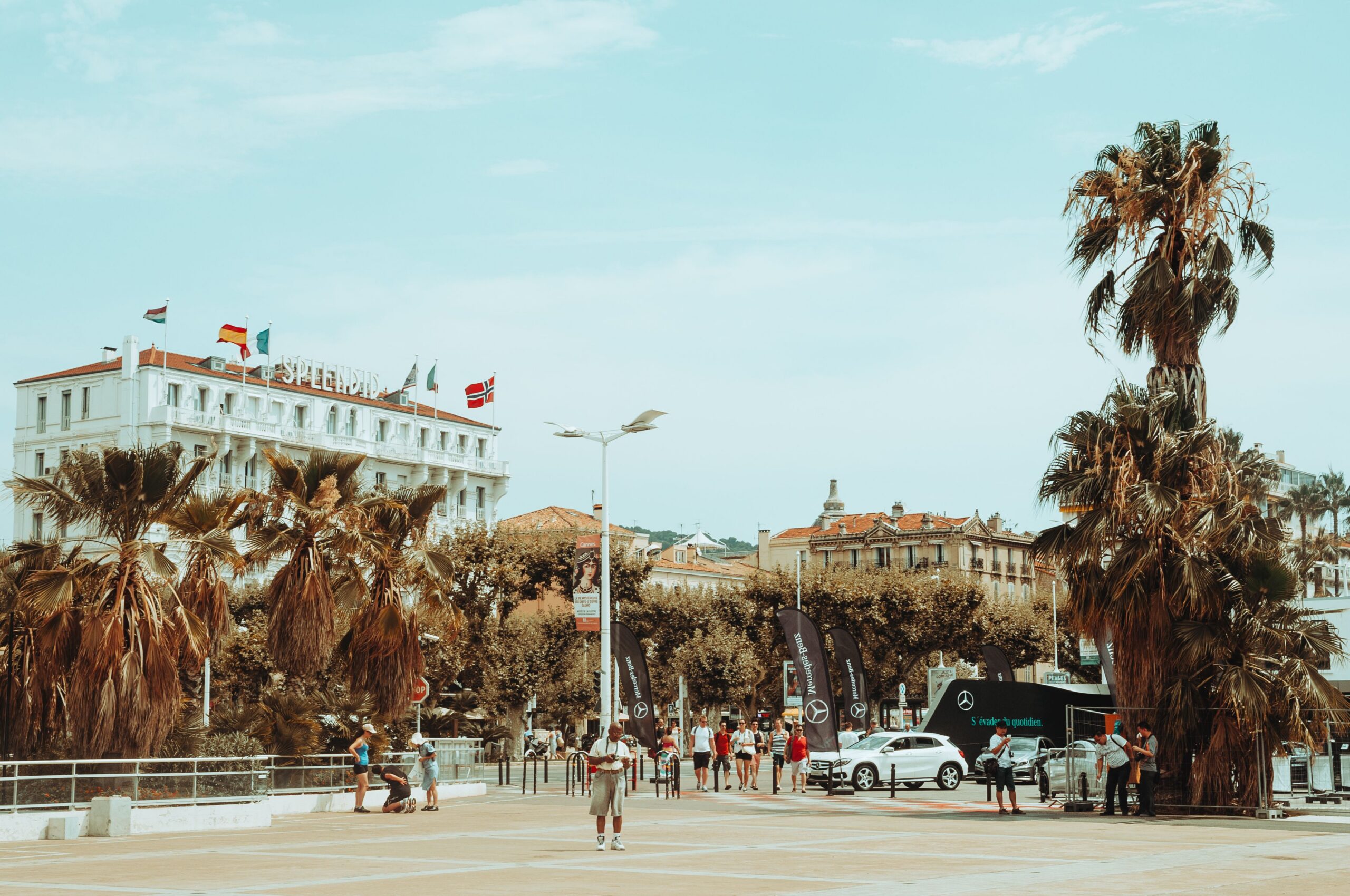
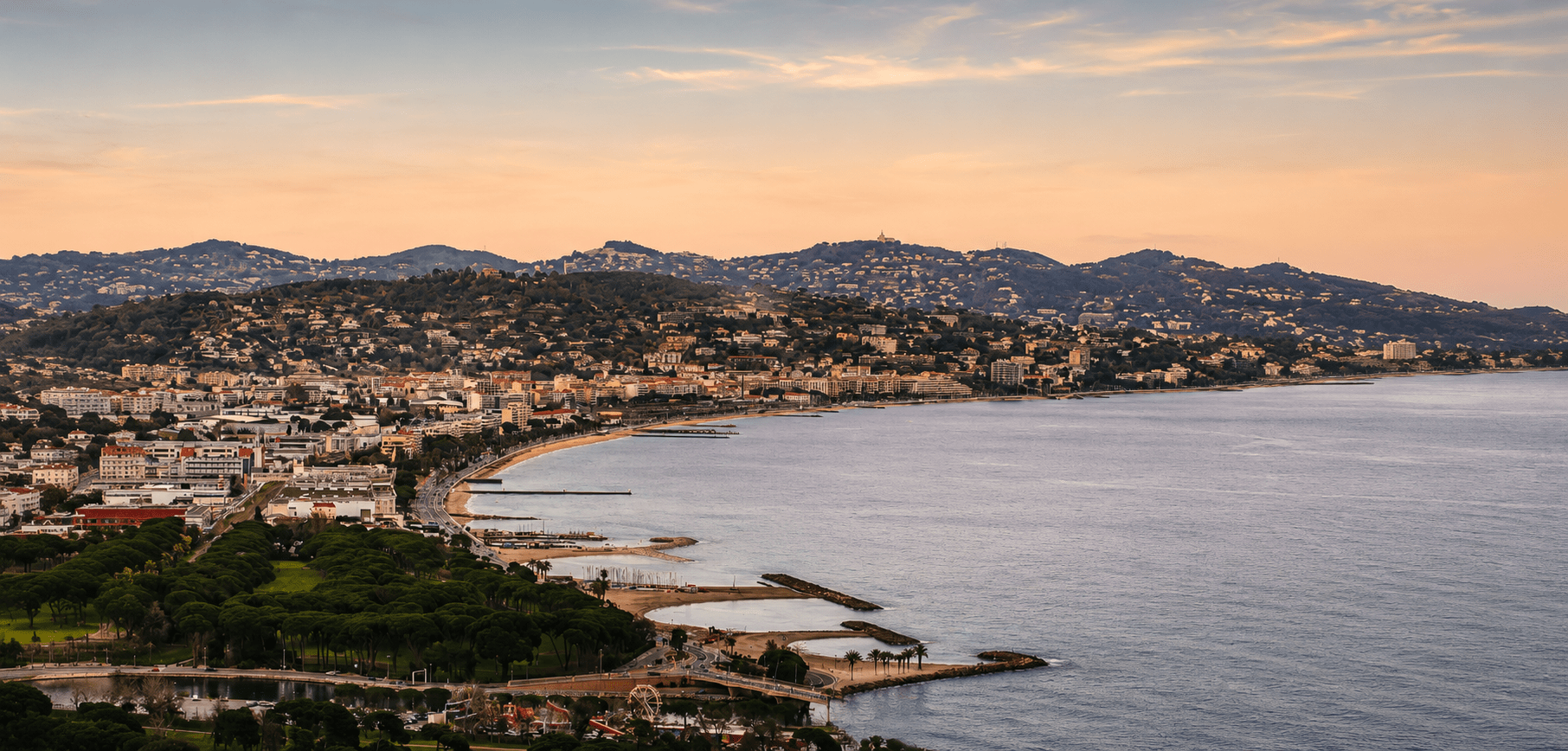
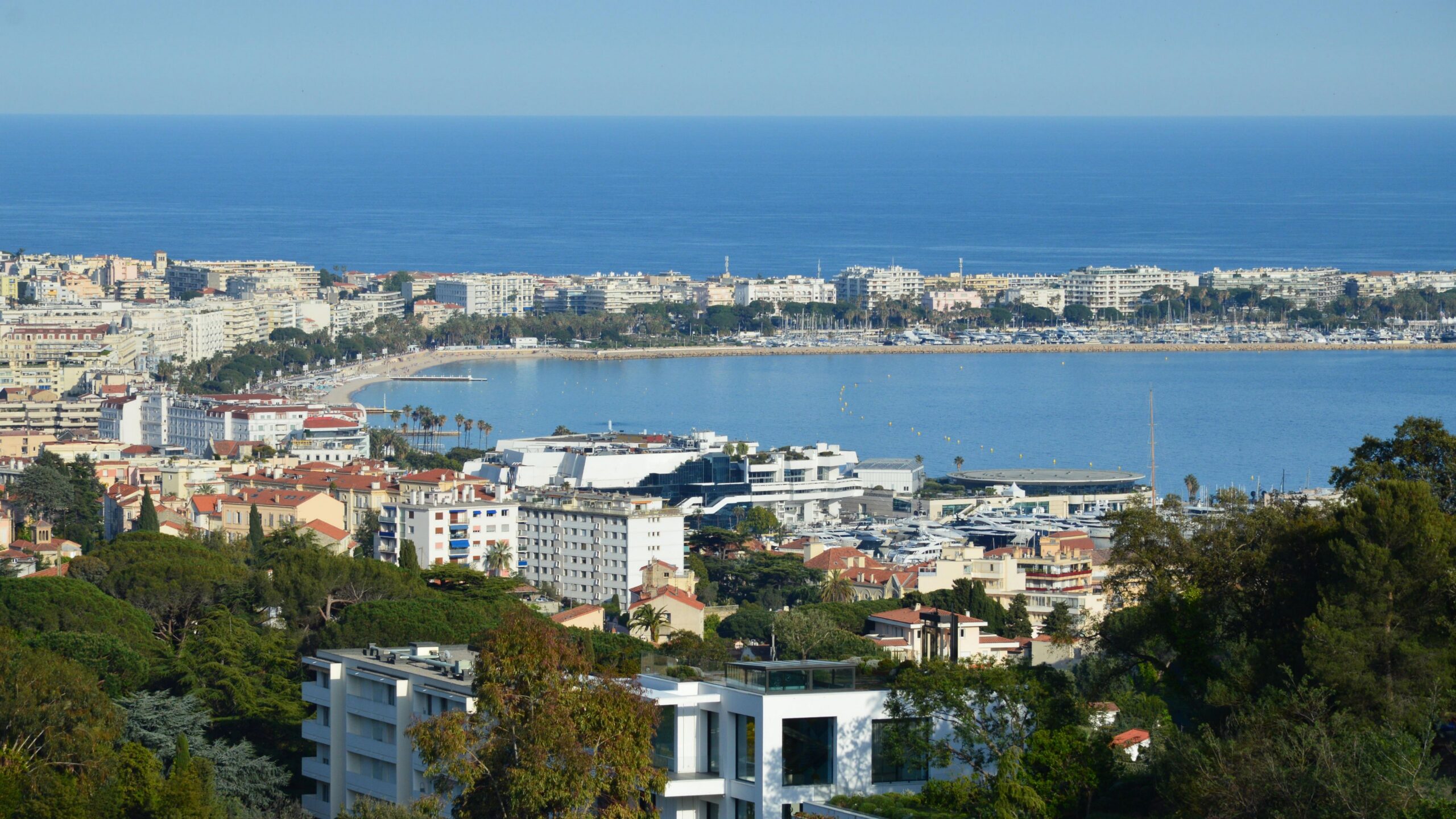
Look at Cannes only from the Croisette and it is easy to misunderstand its historical geography.
The sea is immediate. The hills are quieter.
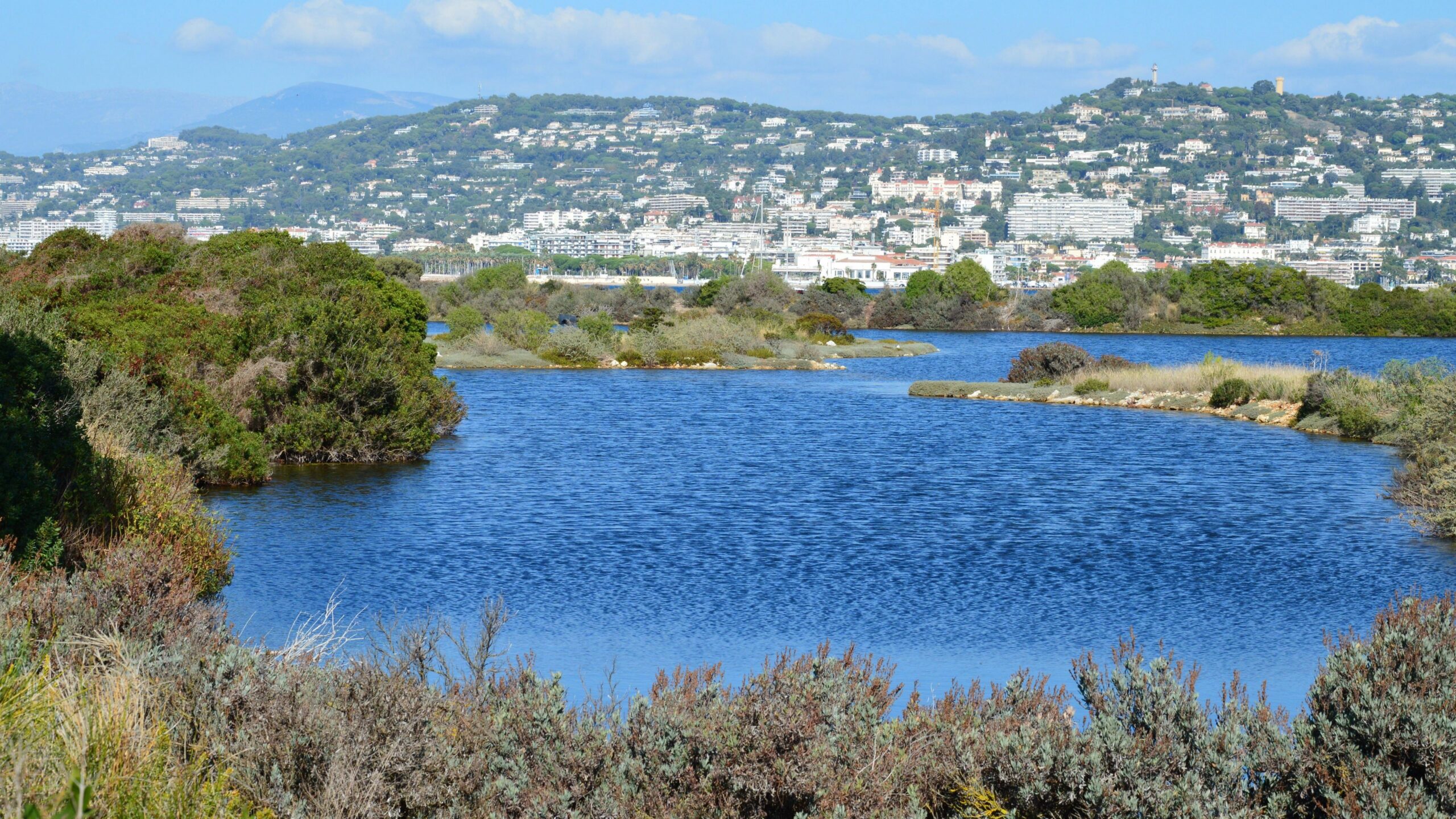
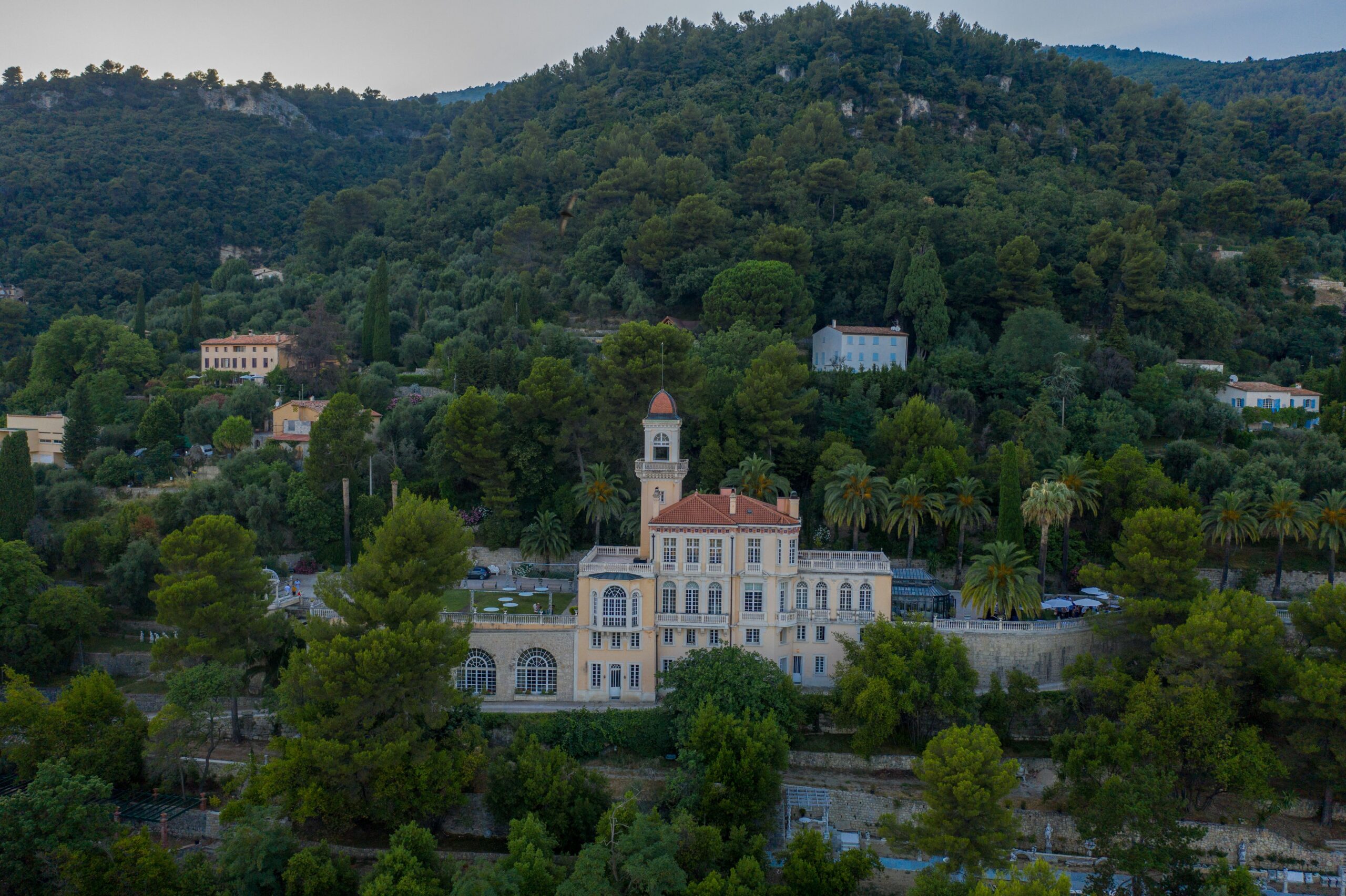
Yet some of the most important early development took place away from the water, particularly on the slopes of the Croix-des-Gardes, where a nineteenth-century English quarter gradually emerged.
The regional heritage inventory of the historic English quarter traces the arrival of large villas, churches and residential estates after Brougham’s first house.
Why climb?
Because a winter residence asks different things of a landscape than a summer beach house.
Elevation offered openness and distance from the increasingly busy town. Large plots allowed gardens to surround the house. Southern exposure mattered. Shelter mattered. So did the angle of the winter sun.
The object was not simply to be as close to the water as possible.
A villa above Cannes could look south across garden and sea, receiving winter light while remaining removed from the commercial life below.
That geography survives.
At Croix-des-Gardes, dense urban Cannes gives way surprisingly quickly to Mediterranean vegetation and elevated views. The protected natural park now extends across roughly 80 hectares and lies remarkably close to the Croisette. Croix-des-Gardes today is still one of the best places to understand how little the famous waterfront tells you about the city’s topography.
The same is true further east, around La Californie.
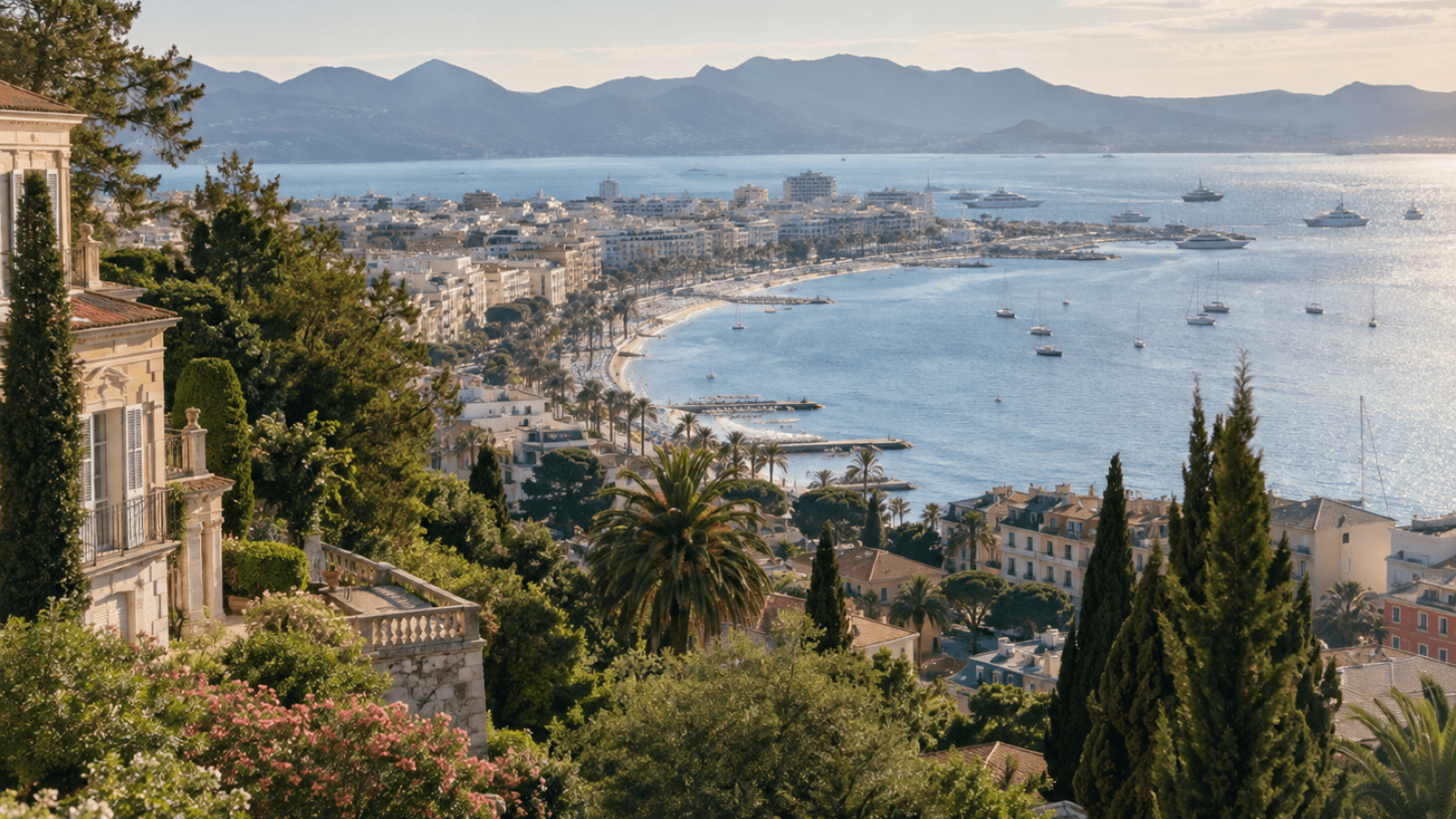
From the hills, Cannes becomes greener, more layered and far less linear.
Sea. Town. Hill. Garden. House.
The sequence matters.
And in winter, it becomes easier to read.
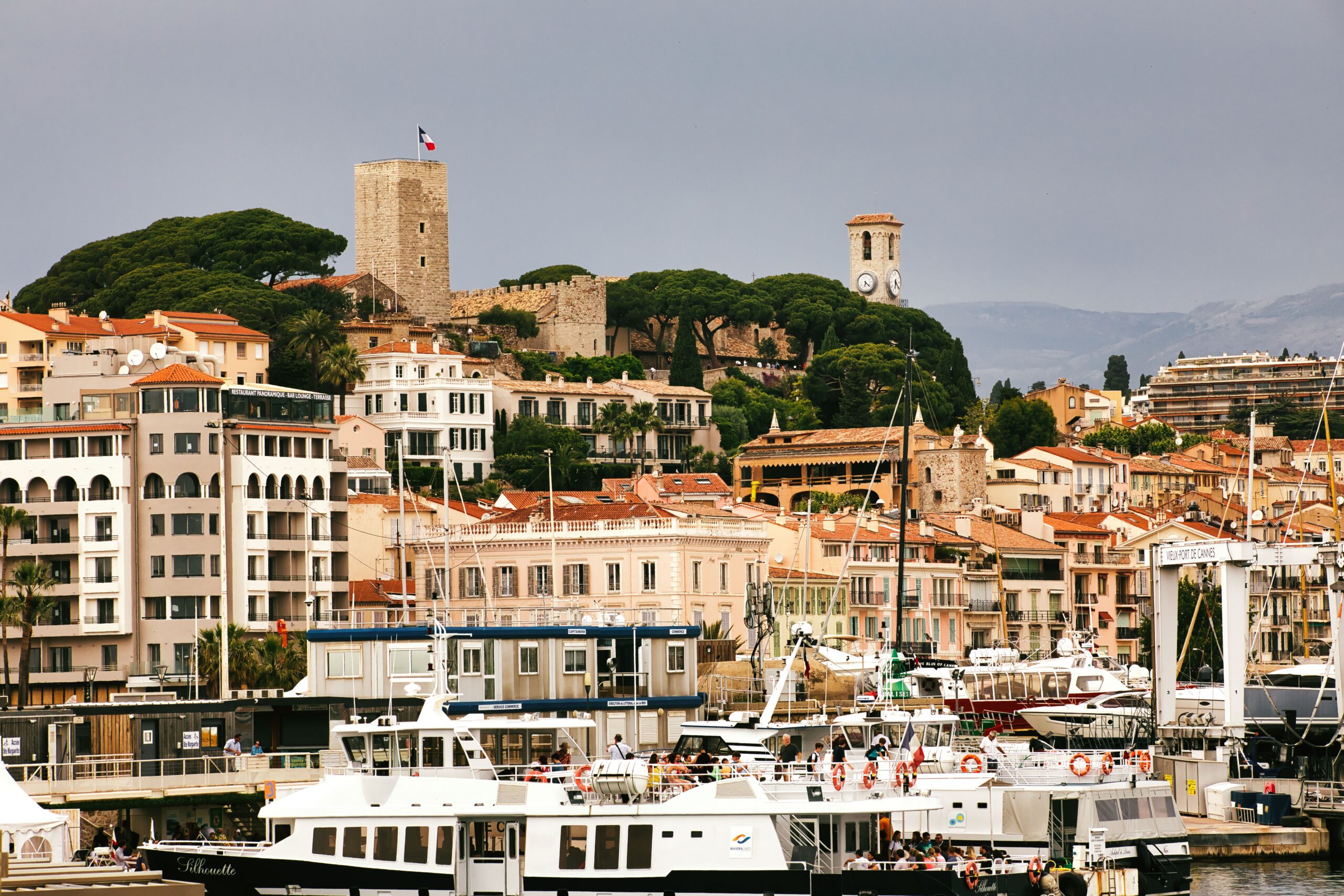
There is a temptation to look back at the historic houses of Cannes and group them under one attractive label.
Riviera style.
Historically, it was much less tidy.
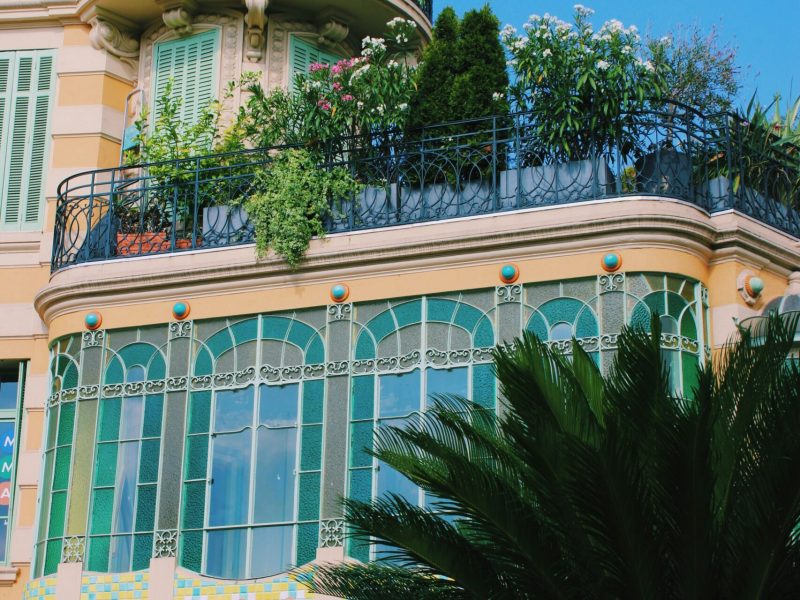
The villas built for the winter residents borrowed from Italian Renaissance architecture, medieval forms, classical traditions and Orientalist decoration. Owners were international, and so were their tastes.
The historic villas of the Croisette show just how varied that architectural language became.
What united the houses was therefore not one decorative style.
It was a way of living.
House, orientation, terrace, garden and seasonal use belonged together.
Villa Éléonore-Louise illustrates the point. Its architecture may be Italianate, but the spatial logic is simple: it opens towards the south and the landscape.
A sheltered terrace catching lower winter sun had practical value. A salon facing south changed the way a January afternoon could be lived. Mature trees and gardens extended the experience of the house beyond its walls.
The garden was not a decorative afterthought.
It was part of the architecture.
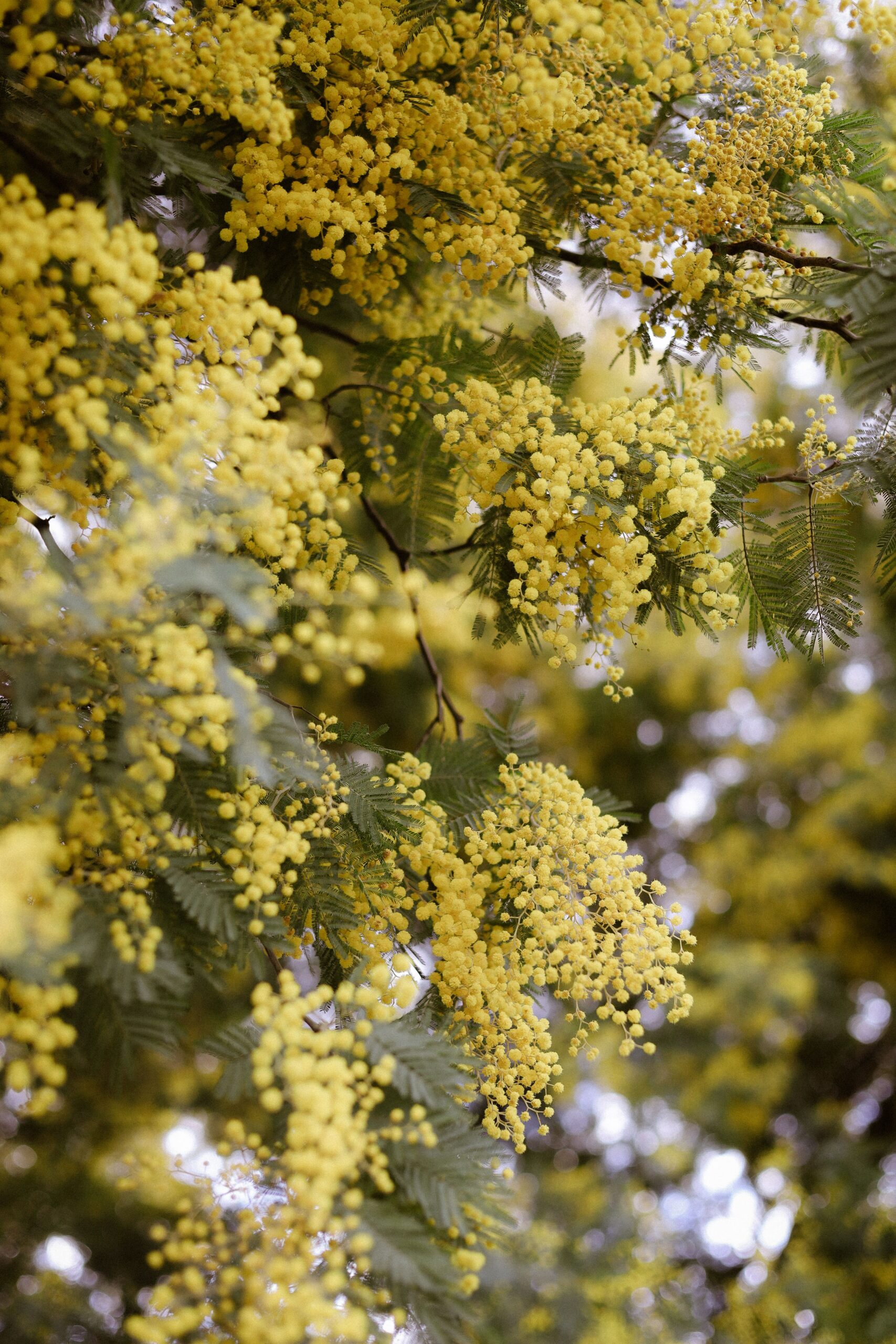
Much of what now appears naturally “Riviera” was in fact carefully cultivated. Palms, exotic plants and flowering shrubs gradually became part of a landscape created around seasonal residences.
After more than a century, some of that planting now appears inevitable, almost native to our mental image of the Côte d’Azur.
It wasn’t.
The Riviera garden was curated.
And winter changes the way it is read.
Evergreen structure becomes more visible. Lower light enters through trees differently. The garden becomes less about outdoor entertaining and more about the relationship between house and climate.
For the original winter resident, that relationship was central.
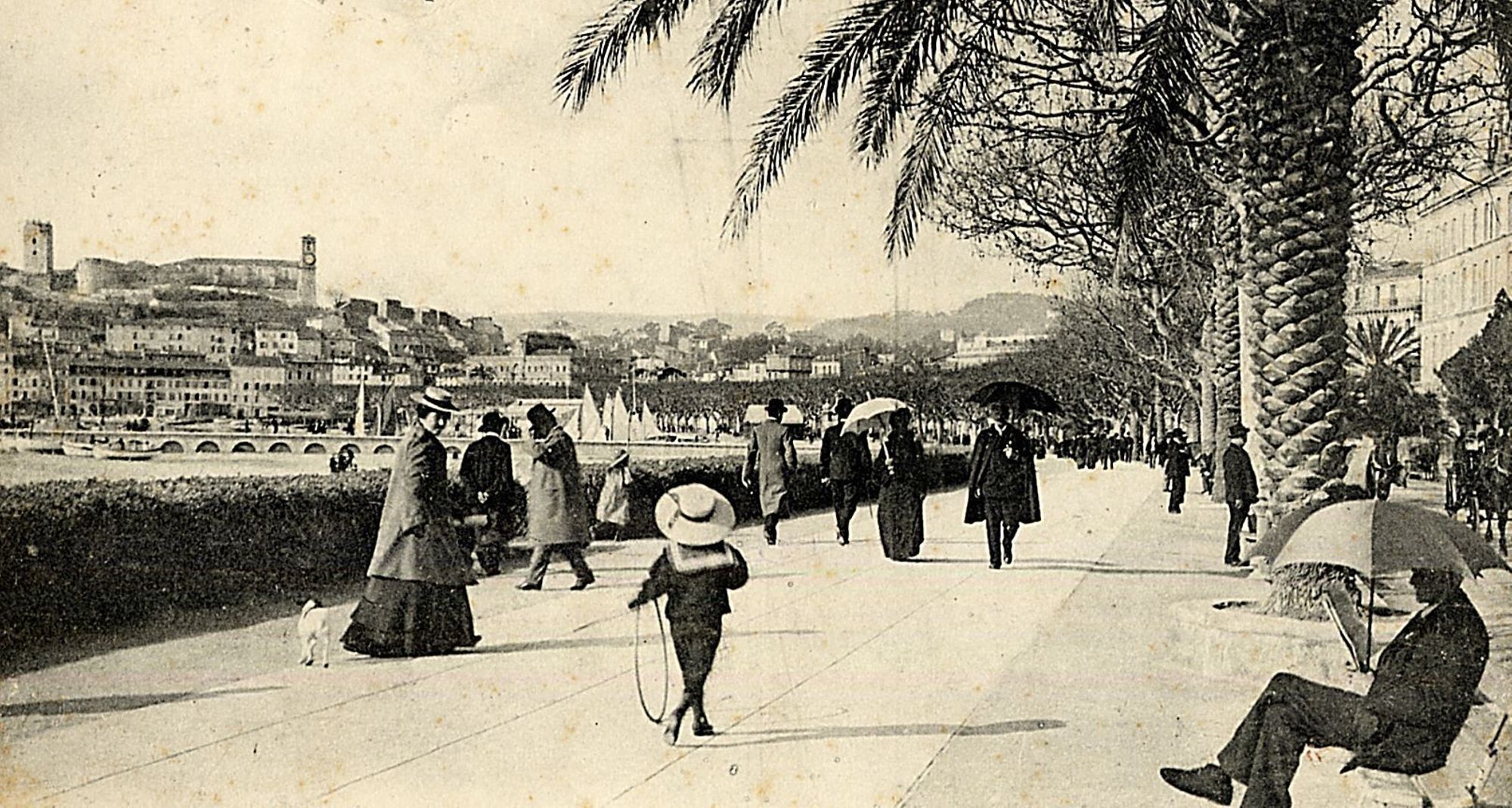
Perhaps the hardest historical Cannes to picture is the earlier Croisette.
Today its identity is so firmly tied to palaces, apartment buildings, luxury boutiques, beaches and the Palais des Festivals that the boulevard feels as though it must always have looked roughly the same.
It did not.
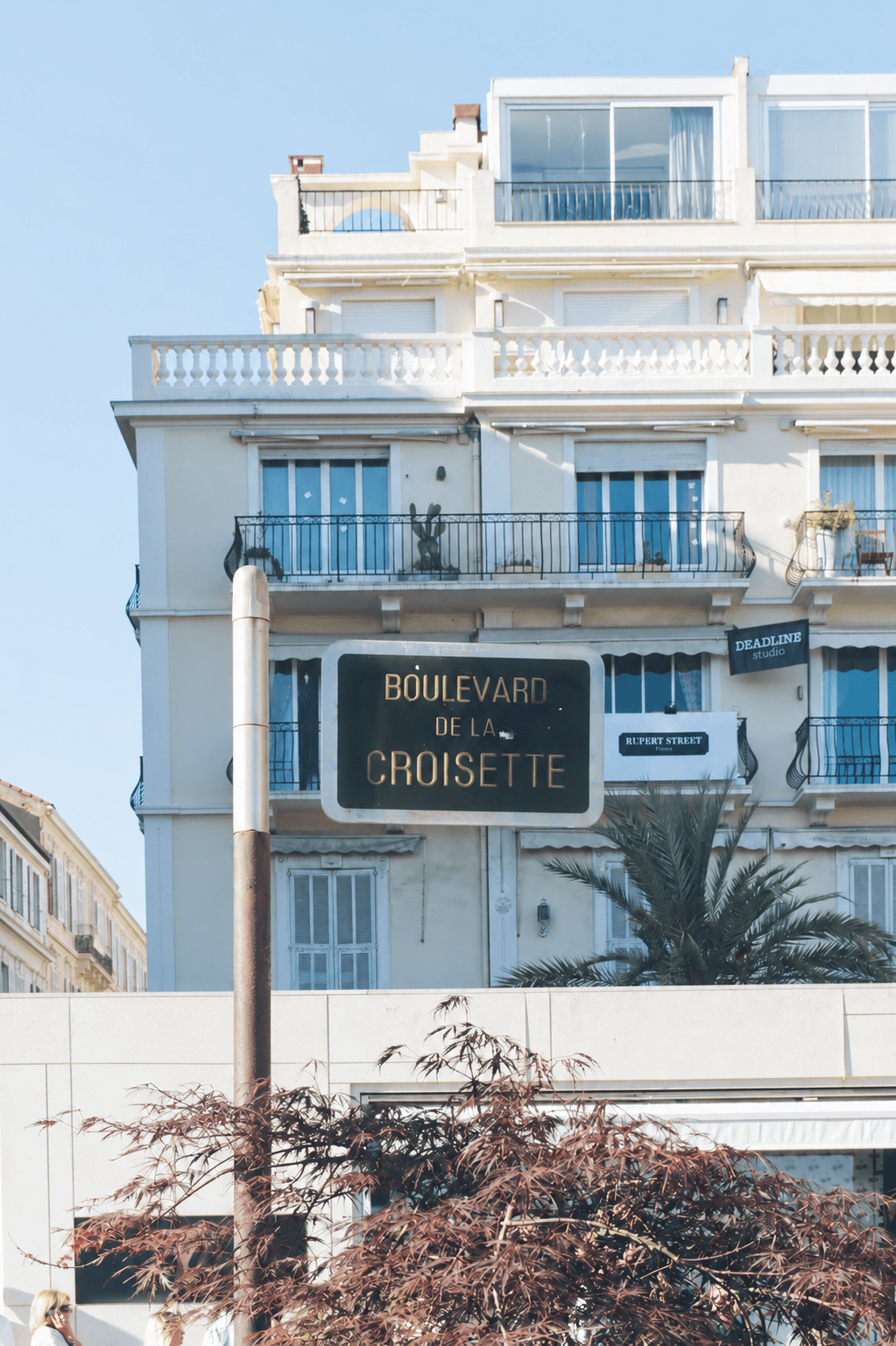
The municipality created the seafront promenade in 1863. It became the Boulevard de l’Impératrice a few years later and took the name Croisette in 1871. The history of the boulevard shows how quickly it then changed.
First came the villas.
Before 1870 there were only a small number. During the following decades the boulevard gradually filled with large residences on generous plots, many surrounded by substantial gardens.
By the eve of the First World War, the Croisette had become one of Europe’s most desirable seasonal addresses.
The Cannes archives describe those houses explicitly as architecture of winter resort life.
To picture that Cannes requires mentally removing much of what now defines the boulevard.
Replace long hotel façades with individual houses.
Allow gardens to reach towards the road.
Put more space between buildings.
Reduce the traffic.
Imagine residents who were not organising the day around the beach but around walking, visiting, sailing, lunching, reading, receiving guests and spending months in one place.
The Mediterranean remains exactly where it is.
Its role changes.
It becomes a view, a source of light, a place for sailing and promenade rather than the entire programme of the day.
That Cannes has largely disappeared physically.
But understanding that it existed changes how the present boulevard feels.
Climate creates desire.
Access creates scale.
The railway reached Cannes in 1863, the same year the new seafront promenade was opened.
That coincidence tells part of the story of the city’s acceleration.
What had once required a difficult journey could now form part of a European seasonal circuit. As travel became easier, the winter population grew larger and more international.
Villas multiplied.
Hotels expanded.
Roads and promenades followed.
The seasonal population became large enough to affect how Cannes functioned.
This is one reason the distinction between tourism and urban history becomes blurred here.
Hotels, villas and promenades were not simply tourism infrastructure placed beside an existing city.
They were urban development.
Winter changed the physical scale of Cannes.
And for several decades, “the season” meant winter.
The transition was gradual.
During the early twentieth century, Europeans began to relate differently to the Mediterranean.
Swimming and sunbathing acquired a new status. The body moved closer to the centre of leisure. Cars changed travel along the coast. At the same time, winter sports began attracting wealthy visitors to the Alps.
By the interwar period, the Riviera was becoming a summer destination as well as a winter one.
Cannes’s own historical chronology places the beginning of its summer season around the end of the 1920s.
Then cinema supplied the city with an image powerful enough to eclipse almost everything that came before.
The Film Festival, international hotels, beach culture, fashion and later the global events industry created another Cannes: more public, more spectacular and much easier to photograph.
The winter city did not vanish.
It became harder to see.
The villas on the hills remained.
The garden culture remained.
The orientation of houses remained.
The old resort geography remained.
But the international imagination moved down towards the water.
Summer had taken over the picture.
Cannes did not become a winter destination after it was built. Much of modern Cannes was built because winter visitors came.
There is a danger in responding by claiming that winter reveals the “real Cannes”.
It does not.
The Film Festival is real Cannes.
The beach clubs are real Cannes.
The palaces, congresses, boats and July crowds are real Cannes too.
Places can accumulate identities without invalidating the ones that came before.
What winter restores is something subtler.
Proportion.
The Croisette becomes one part of the city rather than the whole story.
The hills become more noticeable.
Walking matters more.
Architecture is easier to see when the day is not organised around the beach.
Gardens recover some of their original purpose.
The lower sun reveals orientations that make less sense in July.
And the sea becomes what Cannes’s nineteenth-century residents knew very well: not necessarily the day’s activity, but a constant presence.
There is another shift too.
Without the pressure to make every day exceptional, Cannes starts to support ordinary life again.
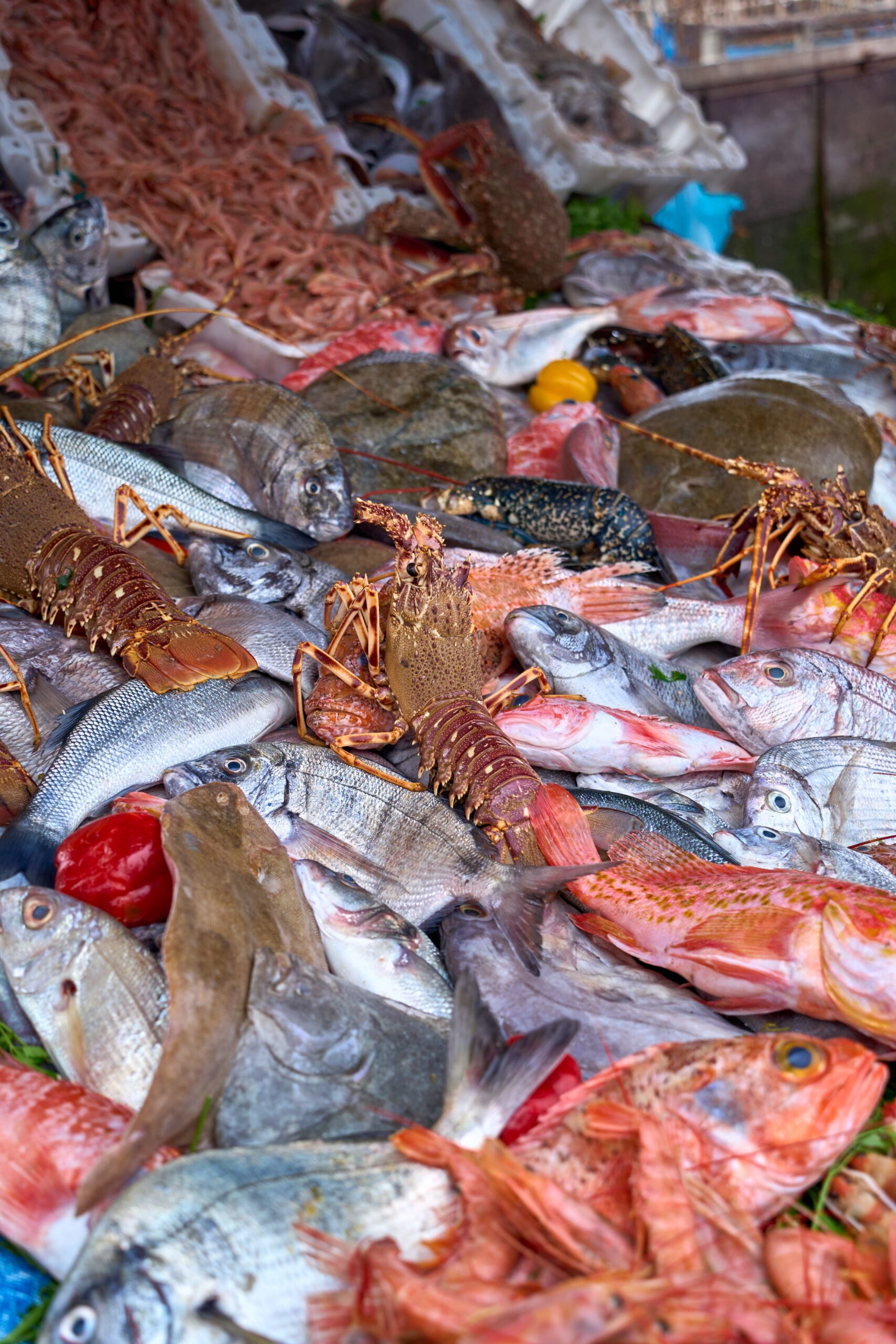
A market in the morning.
Lunch inside rather than on the beach.
A walk above the town.
A boat to the Lérins Islands if the weather holds.
A quiet afternoon.
The city begins to feel less like an event and more like a place.
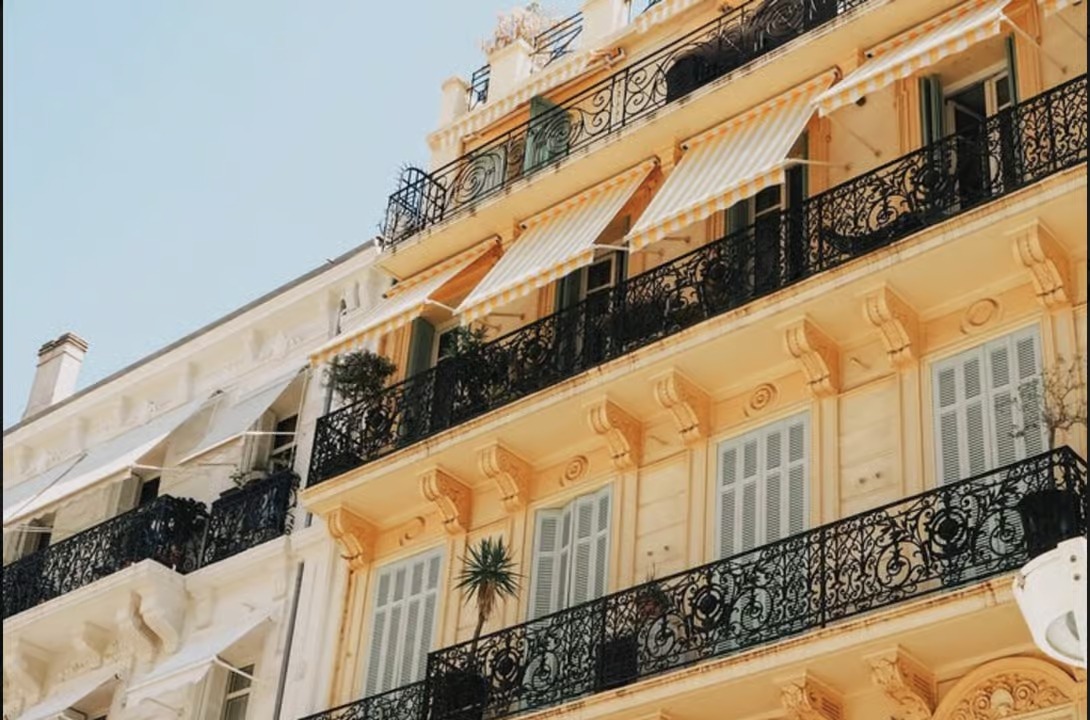
This may be the most useful test of the city.
What happens on an ordinary Tuesday in November?
Not during the Festival.
Not during a congress.
Not in August.
Does Cannes still contain enough life to reward someone who is not there to be entertained?
Its history suggests that this question is not new.
The winter residents of the nineteenth century were asking the city to support precisely that kind of existence.
They needed houses that worked for months.
Gardens worth walking through more than once.
Shops and markets.
A social life.
A town.
Their version of Cannes was certainly privileged, and often extravagantly so, but the underlying demand was remarkably ordinary:
Can I live well here for a season?
That is a very different question from:
Is Cannes worth visiting in winter?
The second treats winter as a reduced version of summer.
The first recognises that winter is part of the reason modern Cannes exists at all.
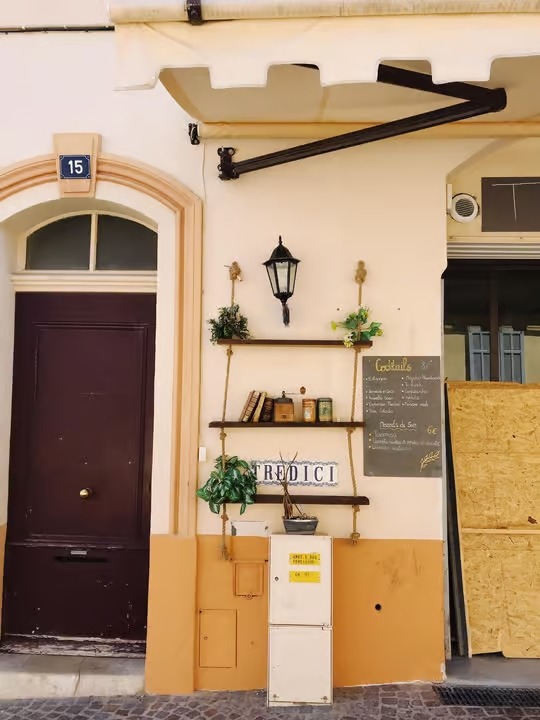
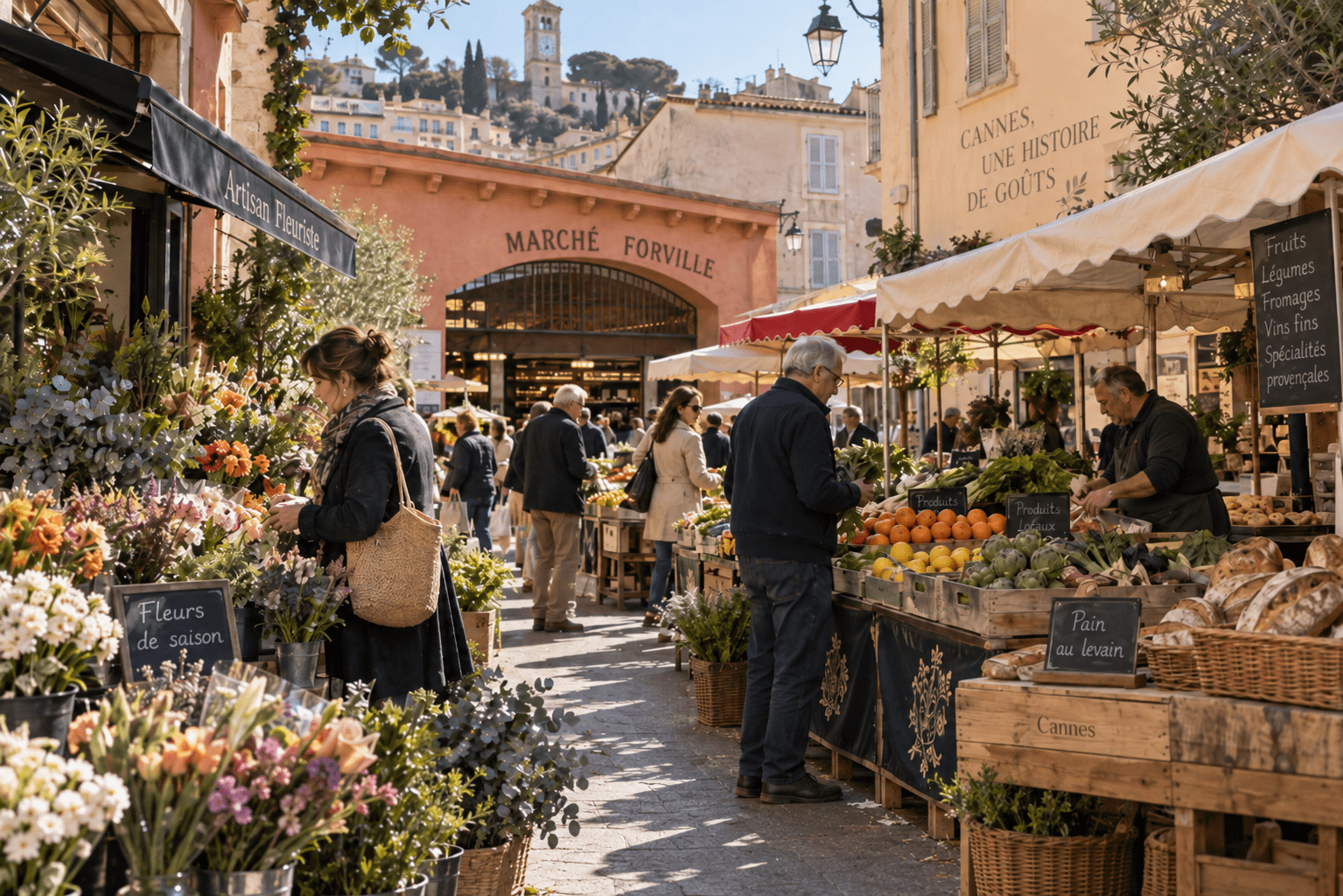
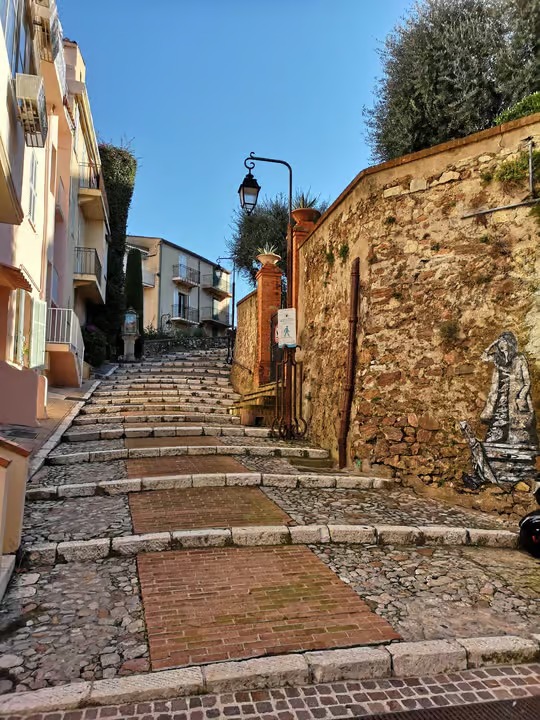
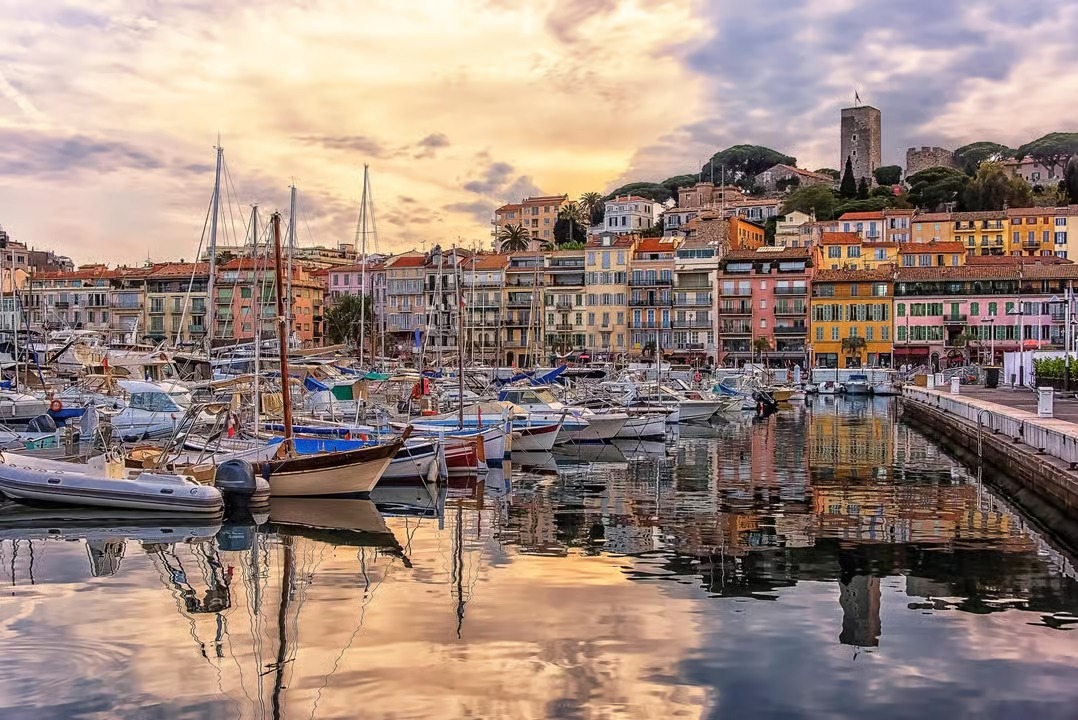
The curious thing is that winter never really disappeared from Cannes. It simply stopped being the season that defined its international image.
The contemporary city is no longer organised around months-long winter residents in hillside villas. Yet step away from the calendar of festivals and summer holidays and some of the older logic returns surprisingly easily.
Croix-des-Gardes is still there above the city, no longer a landscape reserved for grand estates but an 80-hectare protected park where paths run through Mediterranean vegetation. The sea is still below it. The winter sun still reaches the slopes at an angle that makes orientation suddenly matter. And the distance from the Croisette is still remarkably small.
Cinema, too, no longer belongs only to ten intense days in May. Cannes Cinéma runs a programme of screenings, discussions and encounters throughout the year, including its 2026–27 season. The festival may have made cinema part of the city’s global identity, but contemporary Cannes has absorbed it into ordinary cultural life as well.
Even the city itself now presents winter not as an empty interval between events but as a season for walking, the Lérins Islands, the old town and the landscape above the coast. That language may belong to tourism, but the underlying geography is real: when the beach stops dictating the day, other parts of Cannes regain their weight.
Perhaps that is the most interesting continuity between nineteenth-century Cannes and the city today.
The original winter residents came because Cannes allowed life to move outdoors when northern Europe moved inside. Contemporary visitors no longer need to reproduce their rituals, their social world or their extravagant villas to understand the attraction.
A December morning can still begin at the market. A clear afternoon can still end on the hills rather than the beach. The boat to the Lérins Islands still leaves from a city whose famous waterfront is only one of several possible directions.
And on an ordinary winter day, Cannes can still do something its modern image sometimes obscures.
It can simply be lived in.
Perhaps the best way to understand Cannes is to place its identities on top of one another.
Begin with Le Suquet and the old harbour.
Add Brougham’s villa on the western slopes.
Then the English houses and their gardens.
The railway.
The seafront promenade.
Winter villas along the Croisette.
Hotels.
Palaces.
Summer.
Cinema.
Apartments.
Festivals.
Beach culture.
A contemporary city.
Seen that way, Cannes stops being a glamorous façade with an old fishing village hidden behind it.
It becomes something more interesting: a city repeatedly redesigned around changing ideas of how Europeans wanted to spend their time.
Winter was the season that first changed its scale.
Those early seasonal residents were not simply escaping somewhere for a few days.
For several months, the villa, the garden, the neighbourhood and the town became part of another daily life.
A house in Cannes was not merely somewhere to visit.
For a season, it was home.
That is why winter still matters to understanding the city.
Not because Cannes is necessarily better in January than in July.
But because once you know that Cannes was built for winter, July no longer explains the whole place

Liora respects your privacy and will only use your personal information to send you the brochure you requested and, where you have given your consent, occasional updates about Liora, our homes and destinations.